Politics
Council Tax Rises Loom as London Prepares for 2026 Local Elections

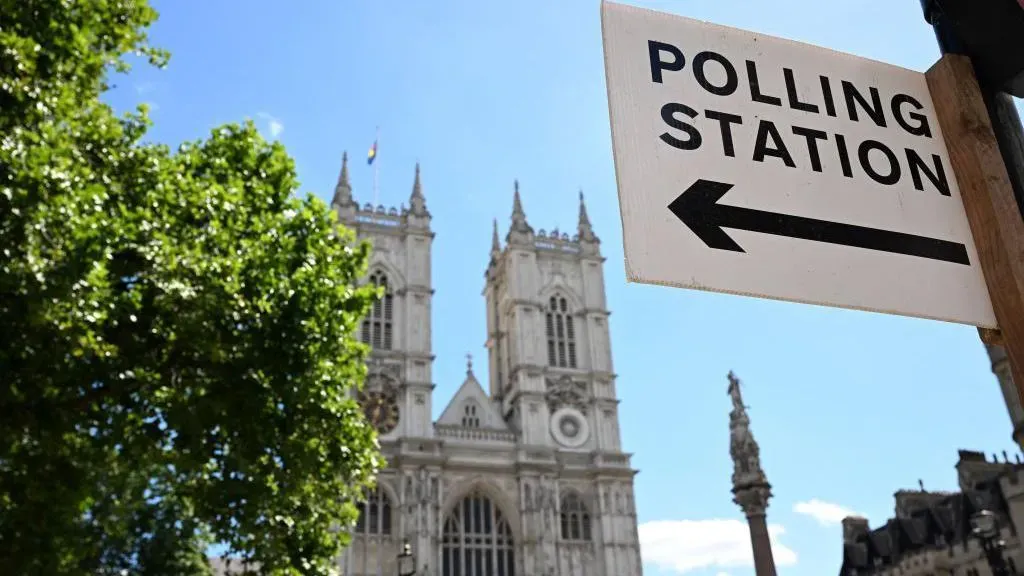
Council tax increases are expected to become a central issue as Londoners prepare to go to the polls in 2026, with elections due to take place across all 32 London boroughs in May. As campaigning slowly gathers pace, local government finances, pressure on public services, and the rising cost of living are shaping up to dominate political debate in the capital.
London in 2026 is markedly different from the city that last elected its borough councils in 2022. At that time, the capital was emerging from the Covid 19 pandemic, with local authorities focused on recovery. While the immediate health crisis has passed, many of its economic and social aftershocks remain. Changes in working patterns, reduced commuter numbers, and struggling high streets continue to affect council budgets and long term planning.
Local authorities are facing mounting financial pressure as demand for services rises while funding remains tight. Adult social care, housing support, waste collection, and local transport infrastructure are all areas experiencing increased strain. Against this backdrop, many councils are signalling that council tax rises may be unavoidable in order to balance budgets and maintain core services.
The 2022 local elections delivered a decisive victory for Labour across London. The party won 1,128 of just over 1,800 council seats, securing 43.9 percent of the total vote. Labour also took control of 21 borough councils, including high profile gains such as Westminster, Wandsworth, and Barnet, which had long been held by the Conservatives. That result reshaped local power in the capital and set the political tone for the years that followed.
Four years on, those same councils are now being judged on their record in office. Opposition parties are expected to challenge Labour administrations over council tax levels, housing delivery, street safety, and the condition of local services. Conservatives, Liberal Democrats, and smaller parties are likely to frame the 2026 elections as a referendum on whether Labour run boroughs have managed finances responsibly or relied too heavily on raising taxes.
For many Londoners, the cost of living remains a defining concern. Rising rents, energy bills, and food prices have already stretched household budgets, making council tax increases particularly sensitive. Campaigners argue that even modest rises can have a significant impact on low income households, pensioners, and families already struggling to make ends meet. As a result, how councils justify any proposed increases will be closely scrutinised by voters.
At the same time, council leaders warn that without additional revenue, service cuts may become inevitable. Several boroughs have already reduced non essential spending, delayed infrastructure projects, or drawn on reserves to stay afloat. Financial experts caution that reserves are finite and that longer term solutions are needed to prevent deeper problems in the years ahead.
The May 2026 elections will therefore test not only party loyalty but also public trust in local leadership. Voters will be weighing promises of fiscal restraint against pledges to protect services and invest in communities. Turnout, which traditionally varies widely between boroughs, could be influenced by how directly council tax and service provision affect residents’ daily lives.
As London heads towards another city wide vote, the debate over council tax is likely to sharpen. With economic uncertainty still lingering and public expectations high, the decisions made by borough councils over the next year could prove decisive when voters enter polling stations in 2026.