
Sports
Why Stefanos Tsitsipas Nearly Walked Away From Tennis

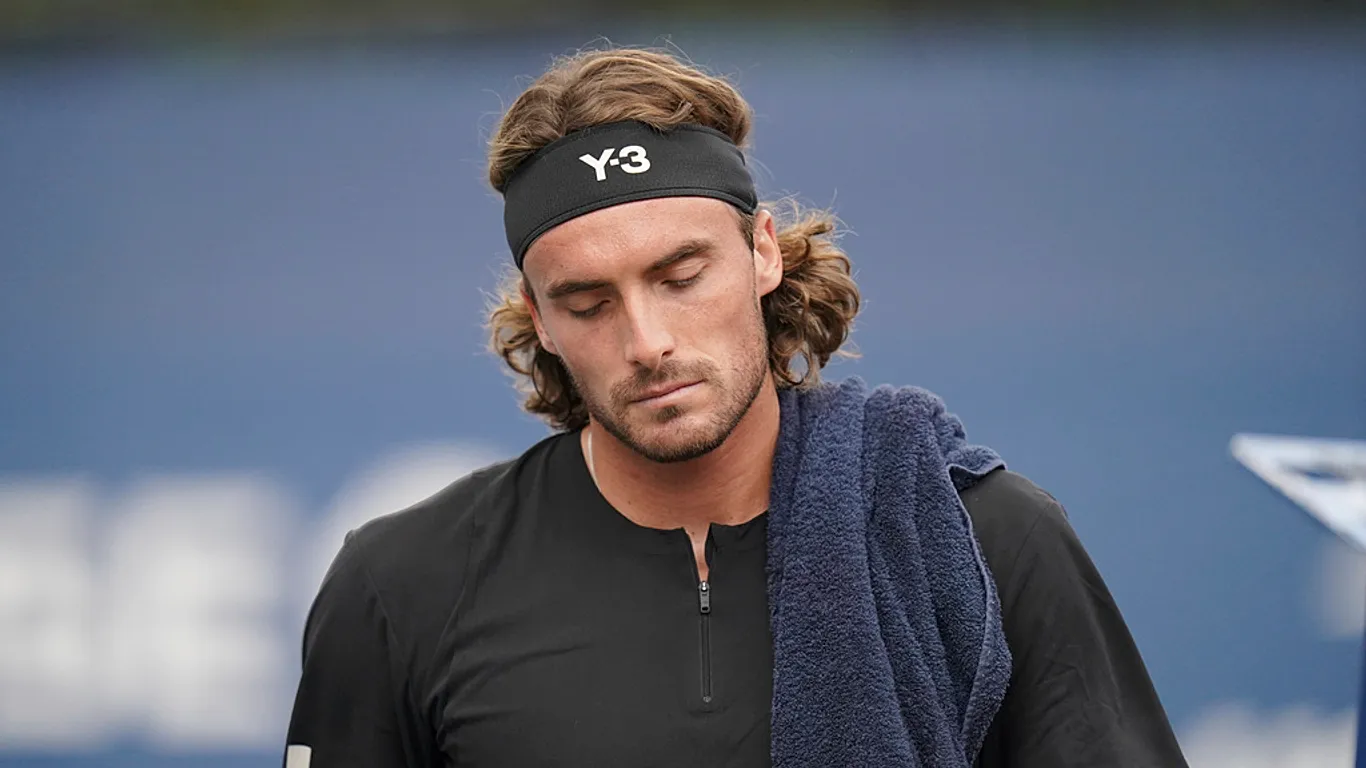
A moment of doubt at the peak of a career
Stefanos Tsitsipas has spoken candidly about one of the most difficult periods of his professional life, revealing that constant pain and recurring injuries in 2025 pushed him close to quitting tennis altogether. The former world number three shared his reflections during a press conference ahead of the United Cup in Australia, offering a rare glimpse into the mental and physical toll of elite level sport.
Tsitsipas described moments when he questioned his future in the game, asking himself why he continued to compete while struggling with persistent discomfort. These doubts came despite his status as one of the most recognizable figures in men’s tennis and a regular presence at the later stages of major tournaments.
Living with pain behind the scenes
According to Tsitsipas, 2025 was marked by ongoing physical issues that affected both his performance and motivation. While professional athletes often play through discomfort, he suggested that the cumulative impact of injuries became increasingly difficult to manage. Training sessions, matches, and travel all contributed to a sense of exhaustion that went beyond normal competitive fatigue.
The Greek player explained that pain was not limited to isolated moments but became a constant presence. This reality made it harder to enjoy the sport and undermined the sense of purpose that had driven his career since childhood. For an athlete whose game relies heavily on movement, timing, and confidence, persistent physical limitations proved especially challenging.
Mental strain and emotional consequences
The physical struggle was closely tied to mental strain. Tsitsipas acknowledged that repeated setbacks affected his mindset, leading to frustration and self doubt. The pressure to meet expectations, both personal and external, compounded the difficulty of coping with injury.
In elite tennis, players often face the challenge of balancing recovery with the need to compete and maintain rankings. Tsitsipas suggested that this cycle left little room for proper healing, increasing the emotional burden. At times, the question of whether continuing was worth the cost became unavoidable.
A turning point ahead of the new season
Speaking in Perth ahead of the United Cup, Tsitsipas emphasized that his situation has since improved. He stated that he is currently pain free and feels physically ready to compete again. This change has restored a sense of optimism as he enters the new season, viewing it as an opportunity for a fresh start rather than a continuation of past struggles.
A key element of this reset has been a return to familiar support structures. Tsitsipas confirmed that his father, Apostolos Tsitsipas, has resumed his role as coach after a brief period working with Goran Ivanisevic last year. The decision reflects a desire for stability and trust during a crucial phase of recovery and rebuilding.
Coaching changes and the search for balance
The coaching adjustment highlights the importance of personal connection in high performance sport. While Tsitsipas has worked with experienced figures, the relationship with his father has long been central to his development. Returning to that partnership suggests a focus on comfort, understanding, and long term planning.
Tsitsipas has indicated that managing his body more carefully will be a priority going forward. This includes listening more closely to physical warning signs and structuring his schedule to avoid overload. Such an approach reflects a broader trend among top players seeking longevity rather than constant competition.
What this means for his career outlook
The revelation that Tsitsipas nearly retired underscores how fragile even the most successful careers can be. His openness sheds light on the hidden struggles faced by elite athletes, reminding fans that rankings and trophies do not protect against physical and mental hardship.
Now pain free and motivated, Tsitsipas appears determined to move forward with renewed perspective. Rather than chasing immediate results, his focus seems to be on sustainability and rediscovering enjoyment in the sport.
A reminder of the human side of tennis
Tsitsipas’s comments resonate beyond tennis, highlighting the human cost of professional sport. His experience illustrates how resilience often involves stepping back, reassessing priorities, and rebuilding from difficult moments.
As the new season begins, his journey serves as both a cautionary tale and a hopeful reminder that recovery, when handled with care, can restore not only performance but purpose.



