News
Japan Lawmakers Push for More Women’s Toilets as Female Representation Grows

In Japan, a debate over basic facilities inside parliament has turned into a wider conversation about gender equality, representation and how institutions adapt to social change. Around 60 female lawmakers have formally petitioned for more women’s toilets inside the country’s parliament building, arguing that facilities no longer reflect the growing number of women serving in national politics.
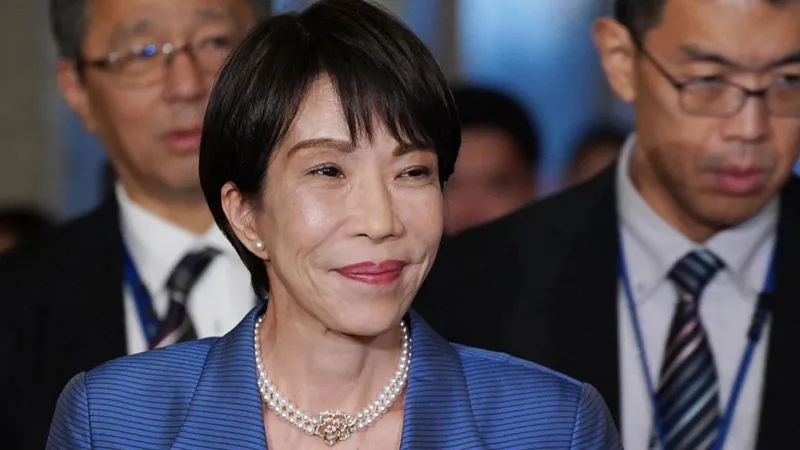
The campaign includes prominent ruling party figure Sanae Takaichi, who has joined lawmakers from across party lines in calling for urgent changes. Supporters say the issue may appear minor, but it highlights how infrastructure has failed to keep pace with political progress.
Japan’s most recent general election in October 2024 resulted in a record number of women entering the Lower House. A total of 73 women won seats in the 465 member chamber, surpassing the previous record of 54 set in 2009. While women still make up a minority, the increase has placed new pressure on facilities designed decades ago when female lawmakers were far fewer.
Opposition lawmaker Yasuko Komiyama said the situation regularly disrupts parliamentary work. She described long queues forming outside the women’s restroom near the plenary chamber, particularly just before sessions begin. According to Komiyama, one colleague admitted she had stopped trying to use the toilet ahead of debates because waiting times were simply too long.
The numbers reveal the imbalance. Near the main plenary hall, there is only one women’s toilet with two cubicles. While the parliament complex as a whole contains nine women’s toilets with 22 cubicles, lawmakers argue these are often located far from key meeting areas, making them impractical during tightly scheduled sessions.
The petition has been submitted to administrators of the National Diet of Japan, urging renovations that would better reflect the current makeup of the legislature. Lawmakers say the lack of facilities is not only inconvenient but sends a message that women’s participation was never fully considered when the building was designed.
Supporters of the proposal stress that the issue goes beyond comfort. They argue that access to basic amenities affects the ability of lawmakers to perform their duties on equal terms. Several female MPs said they have had to choose between attending key moments in debates and leaving the chamber to find a restroom elsewhere in the building.
Public reaction in Japan has been mixed. Some commentators have mocked the issue as trivial, while others see it as a symbol of deeper structural problems faced by women in politics. Social media discussions have drawn comparisons with workplaces across Japan where facilities still reflect outdated assumptions about gender roles.
Japan has long struggled with low female representation in politics compared with other developed countries. Although recent elections show gradual improvement, campaigners say everyday barriers, including workplace culture and infrastructure, continue to discourage women from entering public life.
For the lawmakers backing the petition, the demand is straightforward. They are not asking for special treatment, but for parliament to function in a way that matches modern realities. As one supporter put it, equality is not only about seats in the chamber, but about whether institutions are built to support those who occupy them.