
Fashion
How Gen Z Is Redefining Fast Fashion in the UK

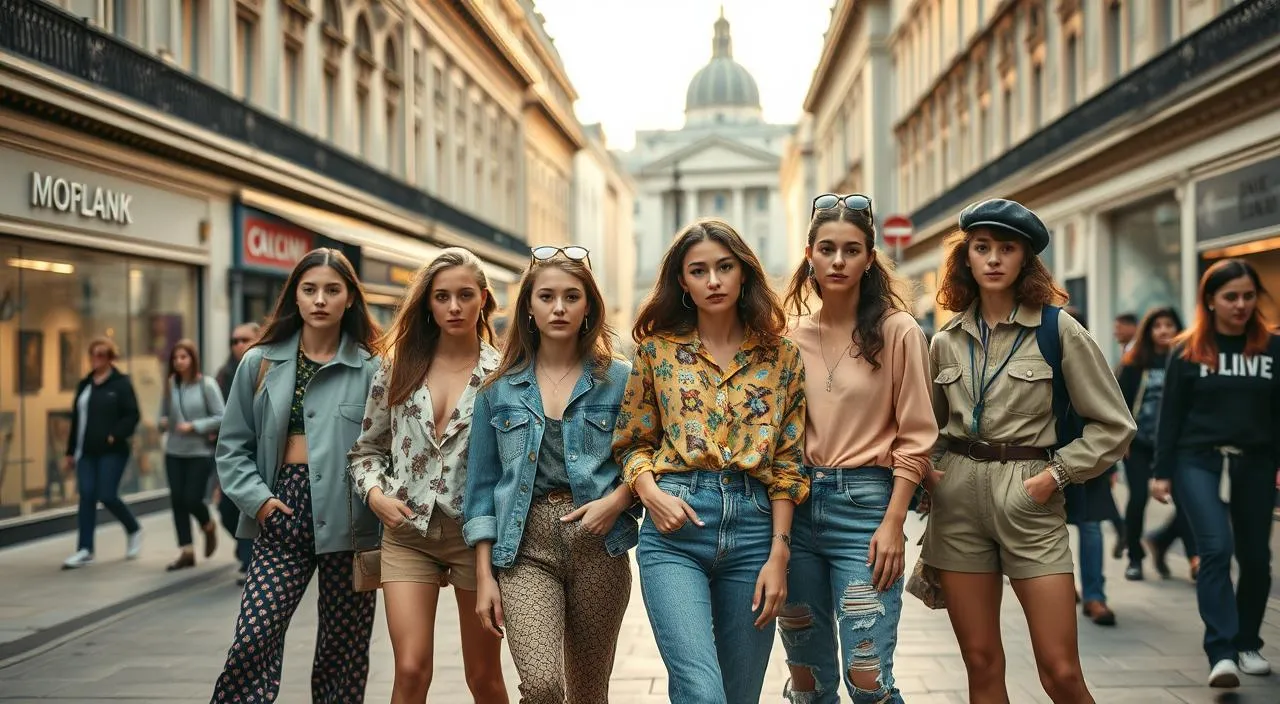
Fast fashion in the UK is no longer being shaped by retailers alone. In 2026, the most powerful force driving change is Gen Z. This generation, born into a digital first world, is rewriting the rules of how fashion is discovered, valued, and consumed. While often criticised for fuelling overconsumption, Gen Z is also forcing fast fashion brands to evolve in unexpected ways.
Speed Still Matters but Meaning Matters More
Gen Z shoppers still value speed and affordability, two pillars of fast fashion. Trends move rapidly on platforms like TikTok and Instagram, and brands that fail to respond quickly lose relevance. However, speed alone is no longer enough.
Unlike previous generations, Gen Z expects fashion to carry meaning. Clothing is seen as a form of identity, expression, and even activism. Items are chosen not just because they are trendy, but because they signal belonging to a subculture, belief system, or aesthetic movement. Fast fashion brands must now react not only to trends, but to narratives.
Social Media Has Replaced the Shop Window
For Gen Z, fashion discovery happens almost entirely online. Algorithms, creators, and viral moments determine what becomes desirable. A single outfit worn in a short video can spark nationwide demand overnight.
This has forced UK fast fashion retailers to monitor social media in real time. Design teams now track viral sounds, hashtags, and micro trends rather than relying solely on seasonal planning. The result is shorter product cycles and constant experimentation.
Thrift Culture Shapes Buying Behaviour
One of the biggest misconceptions about Gen Z is that they are blindly loyal to fast fashion. In reality, many mix low cost new items with second hand and resale finds. Thrift culture is deeply embedded in Gen Z identity, especially in the UK.
This has created a paradox. Gen Z fuels demand for fast fashion trends while simultaneously embracing resale and vintage aesthetics. Brands are responding by launching resale platforms, limited drops, and collaborations that mimic exclusivity rather than mass production.
Ethics Influence Reputation Not Always Spending
Gen Z is highly aware of sustainability and labour issues, but affordability remains critical. Many young consumers face financial pressure and cannot always choose ethical alternatives. However, ethical perception strongly influences brand reputation.
Fast fashion brands seen as irresponsible or dishonest face swift backlash online. Even if Gen Z continues to buy affordable clothing, they are quick to criticise and publicly challenge brands that appear exploitative or out of touch.
Fast Fashion Learns to Speak Gen Z
Tone and communication have become just as important as product. Gen Z responds poorly to traditional advertising and polished campaigns. They prefer humour, honesty, and imperfection.
UK fast fashion brands increasingly use informal language, meme culture, and creator led content to stay relevant. Marketing is designed to feel conversational rather than corporate. Brands that try too hard or appear inauthentic are often rejected.
Short Term Loyalty and Rapid Switching
Gen Z loyalty is fragile. A brand can trend one month and be ignored the next. This volatility forces fast fashion retailers to constantly innovate and refresh their identity.
Discounts, drops, and influencer partnerships are used to maintain attention, but long term loyalty is rare. Each purchase is a decision made in the moment, shaped by mood, trend alignment, and online visibility.
The Future of Fast Fashion Through Gen Z
Gen Z is not ending fast fashion, but it is reshaping it. The sector is becoming faster, louder, more transparent, and more reactive. At the same time, it is being pushed to acknowledge sustainability, diversity, and accountability in ways it previously avoided.
Fast fashion in the UK is entering a hybrid era where speed coexists with self awareness. Brands that understand Gen Z’s contradictions rather than fighting them will survive. Those that dismiss this generation as careless consumers risk becoming irrelevant in a market that now moves at algorithmic speed.



