Fashion
Why Britain’s High Street Fashion Is Losing Its Edge in 2026

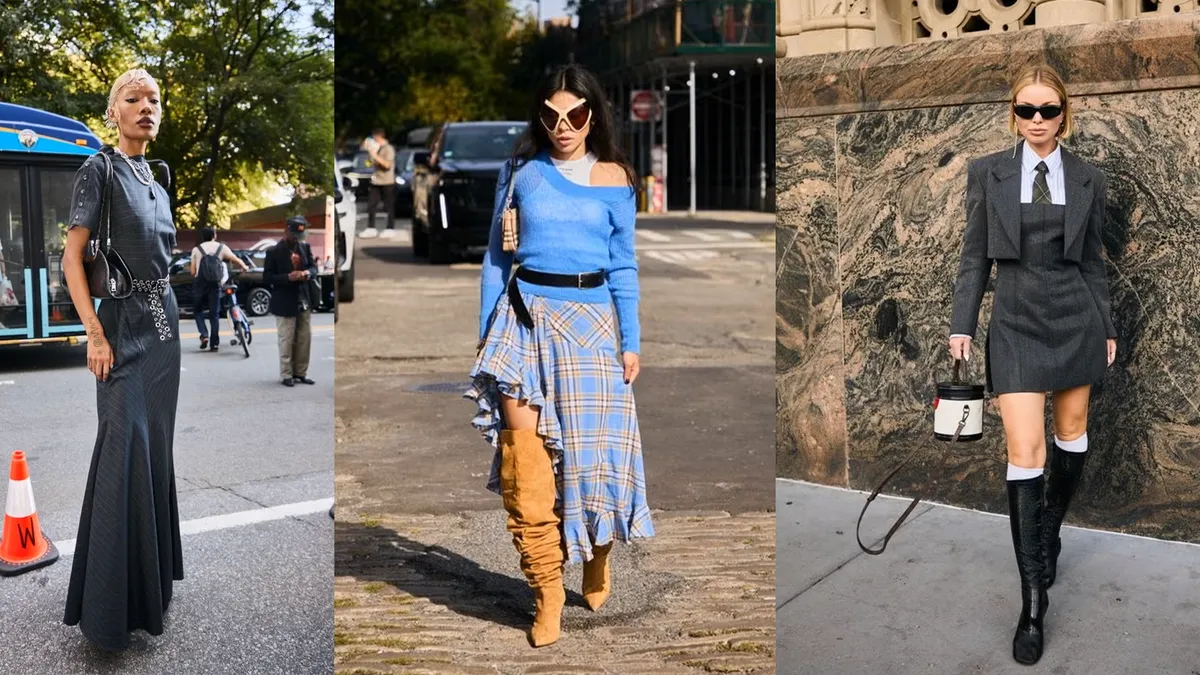
The British high street has long been a symbol of accessible style, seasonal trends, and shared social experience. From department store flagships to familiar fashion chains, it once defined how the nation dressed. Yet in 2026, the UK high street fashion sector is facing a visible decline. Empty storefronts, reduced footfall, and shrinking brand influence suggest that something fundamental has changed in how consumers engage with fashion.
Changing Consumer Behaviour Is Reshaping Retail
One of the biggest pressures on high street fashion is the shift in how people shop. Consumers increasingly prioritise convenience, value, and speed, all of which favour online platforms over physical stores. Mobile shopping, next day delivery, and easy returns have altered expectations, making traditional store based browsing feel inefficient for many shoppers.
Younger consumers in particular are less loyal to physical locations. They follow trends through social media rather than shop windows, and often discover brands through influencers rather than in store promotions. This has weakened the high street’s role as the primary fashion discovery space.
Rising Costs Are Squeezing Fashion Brands
Operating a physical store in the UK has become significantly more expensive. High rents, business rates, staffing costs, and energy prices have placed sustained pressure on fashion retailers. While larger brands may absorb these costs temporarily, mid sized and independent labels often struggle to maintain profitability.
As margins tighten, many brands are forced to reduce store numbers, limit stock variety, or exit physical retail altogether. This leads to a cycle where fewer stores reduce footfall, which in turn makes remaining locations less viable.
Online Competition Has Redefined Value
Fast fashion giants and digital native brands have transformed price expectations. Online only retailers operate with lower overheads and can respond to trends at speed, often undercutting high street prices. For shoppers dealing with ongoing cost of living pressures, price sensitivity has become a dominant factor.
This shift has eroded the perceived value of many high street brands that sit between budget fast fashion and premium labels. Without a clear identity or pricing advantage, these brands struggle to justify their presence on the high street.
Sustainability Pressures Add Complexity
At the same time, consumer awareness around sustainability has grown. Shoppers increasingly question where clothes are made, how long they last, and what environmental impact they carry. High street fashion brands are caught in a difficult position, expected to lower prices while also improving ethical standards.
Implementing sustainable practices often increases production costs, which can be hard to pass on to price conscious consumers. Brands that fail to communicate genuine sustainability efforts risk losing credibility, while those that invest heavily face financial strain.
Experience Gap Between Stores and Digital
Another factor weakening the high street is the lack of compelling in store experiences. Many fashion stores still rely on traditional layouts and sales driven interactions that feel outdated compared to immersive digital experiences. Online platforms offer personalised recommendations, real time reviews, and constant content updates.
Without innovation, physical stores struggle to compete for attention. Consumers increasingly see them as transactional spaces rather than destinations, reducing emotional connection to high street fashion.
What the High Street Needs to Survive
For British high street fashion to regain relevance, it must evolve beyond rows of clothing racks. Stores need to offer experiences that digital platforms cannot replicate, such as styling services, community events, and seamless integration between online and offline shopping.
Brands that survive will likely be those that clearly define their identity, whether through quality, sustainability, or cultural relevance. The high street may no longer dominate fashion retail, but with reinvention, it can still play a meaningful role.
A Defining Moment for UK Fashion
2026 represents a turning point rather than an endpoint. Britain’s high street fashion is losing its edge because the world around it has changed faster than its business models. The challenge now is adaptation. Those who evolve may shape a smaller but stronger future for the UK high street.