Business
Gold and Silver Close a Historic Year With Sharp Swings

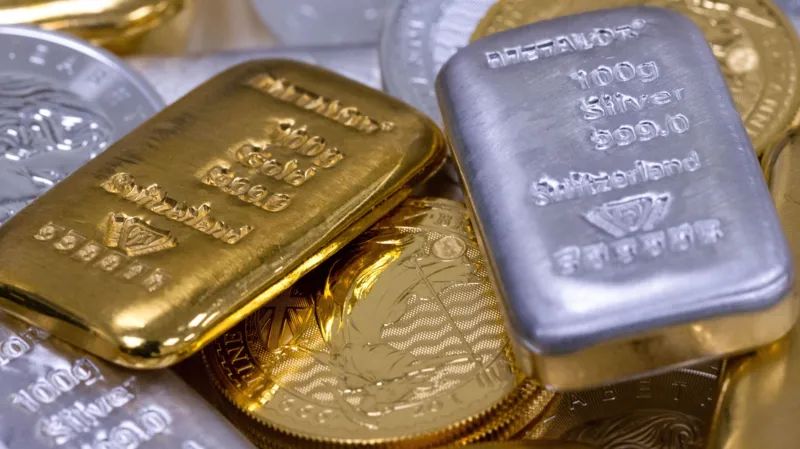
Gold and silver are ending the year on an unusually dramatic note, capping off what has been one of the most remarkable periods for precious metals in decades. After surging to record highs earlier in the year, both metals experienced sharp late year pullbacks, reminding investors that even traditional safe havens are not immune to volatility. Despite the turbulence, 2025 is set to mark the strongest annual performance for gold and silver since 1979.
Gold’s Stunning Rise Followed by a Late Pullback
Gold delivered a standout performance throughout much of the year, climbing more than 60 percent and reaching an all time high above 4,549 dollars per ounce. This rally was driven by a mix of macroeconomic uncertainty, strong investor demand for inflation protection, and shifting expectations around global monetary policy. At its peak, gold benefited from renewed interest among institutional investors and central banks seeking to diversify reserves.
However, momentum cooled toward the end of December. After Christmas, gold prices retreated to around 4,330 dollars per ounce by New Year’s Eve. Analysts attributed the pullback to profit taking after an exceptional run, along with reduced trading volumes during the holiday period. While the decline was notable, prices remained historically elevated, underscoring the scale of gains already locked in.
Silver Mirrors Gold With Even Greater Volatility
Silver followed a similar but more dramatic path. Known for sharper price swings due to its dual role as both a precious and industrial metal, silver climbed aggressively through the year. Prices reached an all time high of 83.62 dollars per ounce before easing back to around 71 dollars by year end.
The strength of silver was supported not only by investor demand but also by industrial consumption, particularly from clean energy and technology sectors. Solar panel manufacturing and electronics continued to absorb large volumes of silver, tightening supply and amplifying price moves. As with gold, the late year pullback reflected caution rather than a collapse in fundamentals.
What Drove the Blockbuster Gains in 2025
Several factors combined to fuel this exceptional year for precious metals. Expectations of interest rate cuts played a central role, as lower rates tend to reduce the opportunity cost of holding non yielding assets like gold and silver. Persistent concerns about inflation, government debt levels, and geopolitical instability also strengthened demand for perceived safe stores of value.
Currency dynamics added another layer of support. A weaker dollar environment at various points during the year made commodities priced in dollars more attractive to international buyers. At the same time, investor sentiment increasingly favored tangible assets amid fears that financial markets were becoming overstretched.
Warnings of a Potential Correction Ahead
Despite the strong finish to the year in historical terms, experts are urging caution as markets look toward 2026. Sharp price increases over a short period can leave metals vulnerable to corrections, particularly if economic conditions stabilize or interest rates fall more slowly than expected. Some analysts argue that much of the bullish narrative has already been priced in.
If inflation pressures ease or global growth improves, investors may rotate away from safe havens and toward risk assets. That shift could place downward pressure on gold and silver prices, even if longer term fundamentals remain supportive.
A Landmark Year With Uncertain Next Steps
The rollercoaster ending to 2025 highlights both the strength and fragility of precious metal markets. Gold and silver have reaffirmed their role as key components of diversified portfolios, delivering extraordinary gains during a period of uncertainty. Yet their late year volatility serves as a reminder that no asset rises in a straight line.
As 2026 begins, investors will be watching closely to see whether precious metals can consolidate their gains or whether a period of adjustment lies ahead after one of the most extraordinary years in modern market history.