News
Mali and Burkina Faso Bar US Citizens in Retaliation to American Travel Ban

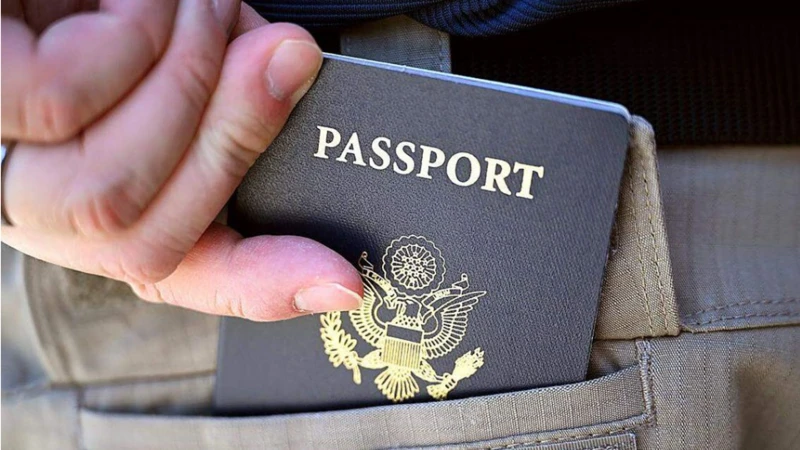
Mali and Burkina Faso have announced that they will prohibit United States citizens from entering their countries, escalating diplomatic tensions with Washington in what both governments described as a reciprocal response to recent US restrictions.
The decision follows the inclusion of both West African nations under full entry restrictions imposed by the administration of US President Donald Trump as part of an expanded American travel ban. The move effectively bars citizens of Mali and Burkina Faso from travelling to the United States, citing security and immigration concerns.
In separate statements released this week, authorities in Bamako and Ouagadougou said they would apply identical measures to US nationals, framing the decision as a matter of sovereignty and fairness rather than escalation. The announcements reflect growing frustration among African governments over what they see as unilateral policy decisions by major powers.
Burkina Faso’s foreign affairs minister Karamoko Jean-Marie Traoré said the ban was based on the principle of reciprocity, arguing that international relations must be governed by equal treatment between states. He said Burkina Faso could not accept restrictions on its citizens without responding in kind.
Mali’s foreign ministry struck a similar tone, calling for mutual respect and sovereign equality in relations between nations. In its statement, the ministry said it regretted Washington’s decision and criticised the lack of prior consultation before such a significant measure was announced. Officials said the absence of dialogue undermined diplomatic norms and risked damaging long standing bilateral ties.
The US travel ban expansion has drawn criticism from several affected countries, many of which argue that the policy unfairly targets entire populations rather than addressing specific security concerns. Washington, however, has defended the restrictions as necessary to protect national security and improve vetting procedures.
For Mali and Burkina Faso, the decision comes amid already strained relations with Western governments. Both countries are led by military authorities following coups in recent years and have increasingly distanced themselves from traditional partners, including the United States and France. The travel ban dispute adds another layer to this complex diplomatic realignment.
Analysts say the reciprocal bans are largely symbolic, given limited travel flows between the countries. However, they carry political significance by signalling resistance to what Bamako and Ouagadougou perceive as unequal treatment. The move also plays to domestic audiences, reinforcing narratives of national dignity and independence.
There has been no immediate response from the US State Department to the announcements. Diplomats say quiet discussions may still take place to prevent further deterioration in relations, though prospects for a rapid resolution appear limited.
The tit for tat measures highlight broader tensions between parts of Africa and Western powers over security, governance and migration policies. As global travel becomes increasingly shaped by geopolitical considerations, smaller states are more willing to assert reciprocity as a diplomatic tool.
For now, US citizens planning travel to Mali or Burkina Faso are advised to monitor official guidance closely. With both sides standing firm, the dispute underscores how travel policies can quickly evolve from administrative decisions into symbols of wider political disagreement.