Politics
Labour Faces Challenges Ahead as 2026 Elections Loom

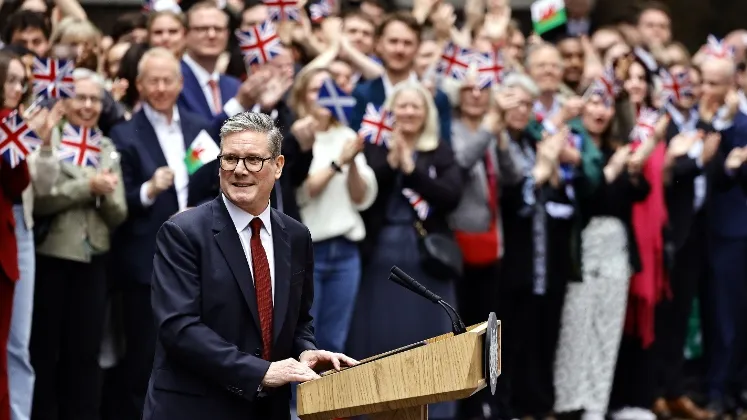
The Labour Party and Prime Minister Keir Starmer have had a turbulent 2025, facing declining popularity and internal setbacks. Despite being in office for less than two years, Labour’s standing among voters has weakened, with ethical controversies and policy reversals contributing to public frustration.
Deputy Prime Minister Angela Rayner resigned this year, and Peter Mandelson was removed from his post as US ambassador, both incidents highlighting ethical concerns within the party. Additionally, Labour’s government faced criticism for U-turns on welfare reforms and other policy decisions, which have left some issues unresolved and trust eroded in traditional political strongholds.
Labour’s weakening grip has created opportunities for other parties. In traditional heartlands, the Reform UK party is attracting voters dissatisfied with Labour’s perceived failures, while younger, urban electorates increasingly favor left-leaning parties, including the Greens. This dynamic suggests a growing fragmentation in the political landscape, where loyalty to established parties is less certain.
The upcoming 2026 local elections will be a critical test for Labour, potentially shaping the party’s trajectory and Starmer’s leadership. Analysts note that Labour must address internal cohesion, restore public confidence, and offer clear, consistent policies to retain support. Meanwhile, opposition parties are mobilizing to capitalize on Labour’s vulnerabilities, positioning themselves as credible alternatives for both traditional and new voters.
As the political year closes, the balance of power in British politics remains uncertain. Labour’s ability to navigate ethical challenges, policy disputes, and shifting voter preferences will be decisive in determining whether the party can regain its footing or face further erosion of support in key regions.