
Fashion
Remembering Brigitte Bardot: Legacy and Controversy

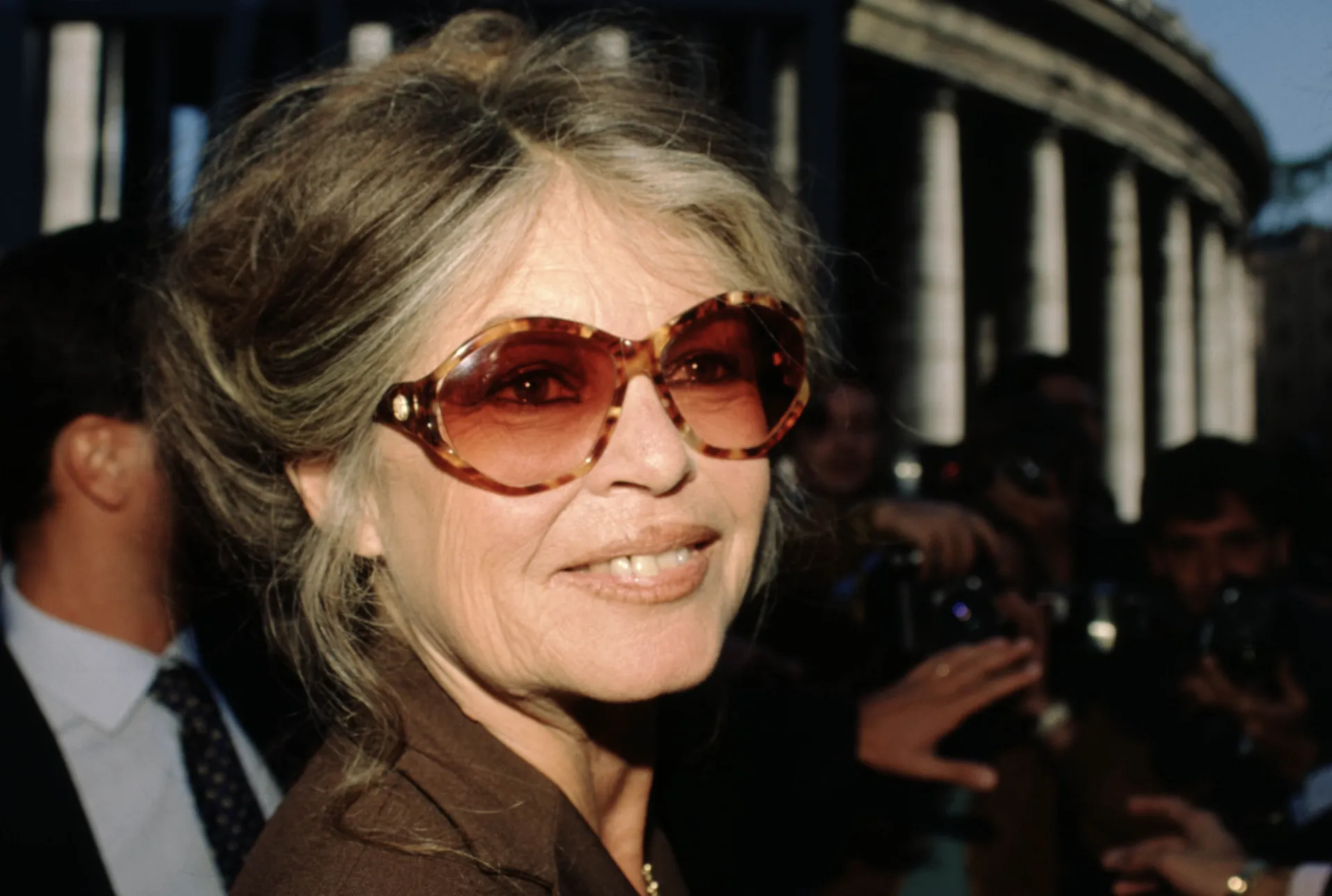
French actress and animal activist Brigitte Bardot passed away at 91 on Sunday, leaving behind a complex and controversial legacy. Bardot is widely remembered for her role in shaping the sexual revolution, iconic style, and contributions to cinema and music, particularly in the yé-yé pop movement. Fans recall her influence on fashion and culture, as well as her lifelong dedication to animal welfare.
However, Bardot’s later years were marked by political controversy and public backlash. She openly supported right-wing candidates, dismissed claims made by actresses during the #MeToo movement, and faced multiple fines from the French government for inciting racial hatred. Her comments opposing immigration and warning of the “Islamisation of France” in her 2003 book A Cry in the Silence sparked significant criticism and debate.
The discussion around Bardot’s legacy raises difficult questions about separating artistic and cultural contributions from personal beliefs and actions. While she played a pivotal role in entertainment history and animal advocacy, her bigoted remarks and political stances have left a lasting shadow. Many commentators argue that acknowledging her achievements does not absolve her from accountability for her statements and views.
Bardot’s passing serves as a reminder of the complexities inherent in public legacies. Celebrating her cultural and artistic impact must be balanced with a critical understanding of her controversial positions. Her life story exemplifies the tension between admiration for creative accomplishments and the responsibility to confront harmful rhetoric, highlighting ongoing debates about how society remembers influential figures.



