Latest News
Tajikistan-Taliban border clashes: What’s behind them, why it affects China

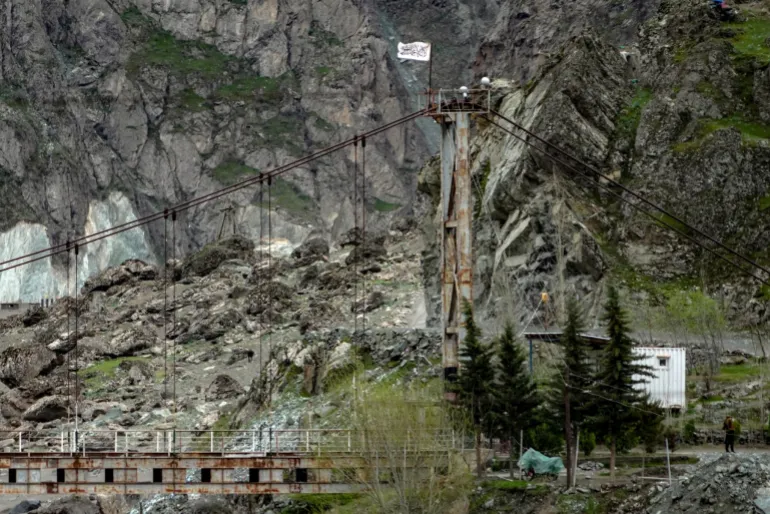
Tensions have escalated along the Tajikistan-Afghanistan border, with Tajik authorities reporting multiple armed incursions this month. Officials describe the attackers as “terrorists,” and clashes with Tajik forces have left more than a dozen people dead, including Chinese nationals working in the region.
The recent violence, including at least five deaths in Shamsiddin Shokhin district, highlights the fragile security situation along the 1,340 km (830-mile) border. Tajikistan has historically opposed the Taliban’s rise in Afghanistan, and the porous border makes it difficult to prevent incursions. While both countries have engaged in cautious diplomacy, analysts warn that repeated clashes risk undermining the Taliban’s credibility and raise doubts about its ability to maintain security.
Chinese interests are particularly affected because the attacks have reportedly targeted Chinese businesses and workers operating in Tajikistan’s mountainous regions. Beijing has invested heavily in Central Asia as part of its Belt and Road Initiative, and instability along the Tajik-Afghan border threatens these projects and regional trade.
The clashes also have broader implications for regional security. Experts note that continued unrest could strain relations between Tajikistan and Afghanistan, complicate counterterrorism efforts, and destabilize Central Asia, a region of strategic importance to both China and Russia.