
Business
Catching the Hunters Trapping Rare Songbirds in China

Before dawn breaks over the outskirts of Beijing, the fields are silent. Tall grass sways gently in the darkness as Silva Gu scans the ground ahead, his eyes constantly moving. He speaks softly, barely louder than a breath, as he searches for a place to hide. Behind him, the lights of Beijing still glow, unaware of what is about to unfold beyond the city’s edge.
As the sky begins to lighten, footsteps emerge from the darkness. The poachers have arrived.
Moving with caution, Gu steps forward, followed by a small camera crew. Only when they are inches away do they see it, a nearly invisible net stretched between trees, designed to trap birds mid flight. For the untrained eye, it is impossible to spot. For migratory songbirds, it can be deadly.
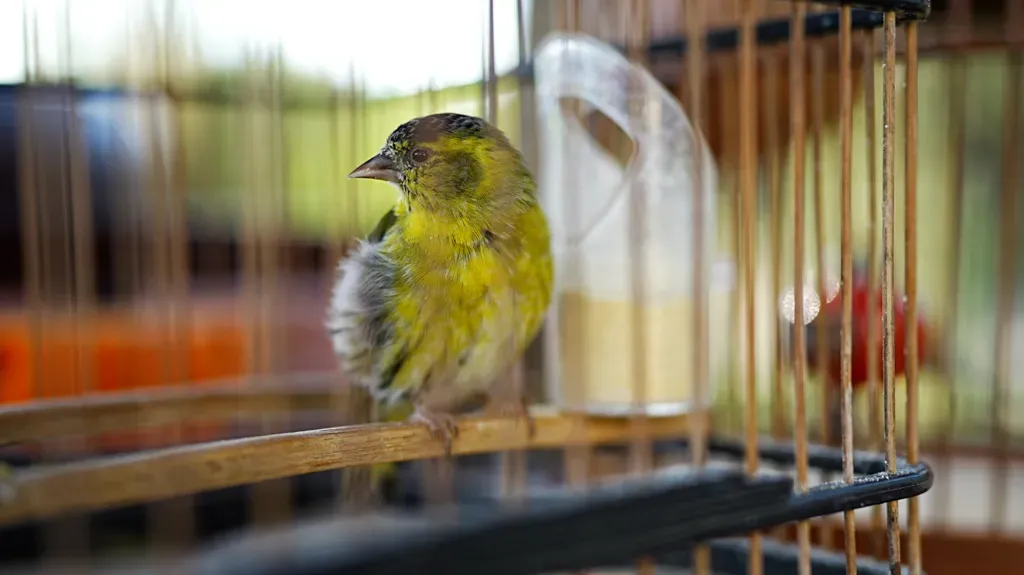
Across China, tens of thousands of birds are caught this way each year. Many are destined for the pet trade, prized for their song and appearance. Others are sold for meat, often considered a delicacy in certain regions. While trapping wild birds is illegal under Chinese law, enforcement varies widely, and the practice continues in both rural areas and on the fringes of major cities.
Conservationists say the scale of the problem is alarming. China sits on major migratory routes, making it a critical stopover for many species travelling between breeding and wintering grounds. Nets placed along these routes can wipe out entire flocks in a single morning, including rare and protected species.
The reasons behind the practice are complex but increasingly tied to economic pressure. China’s economy has slowed in recent years, affected by the pandemic and a prolonged property sector downturn. For some, trapping birds has become a low cost way to generate income. Nets are cheap, the risk of being caught is often perceived as low, and the profits can be significant, especially when rare species are involved.
Songbirds sold on the black market can fetch high prices, particularly in urban areas where demand for pets remains strong. A single bird with a desirable call can be worth far more than a day’s wages in some regions. This imbalance continues to drive illegal activity, even as authorities strengthen wildlife protection laws.
Gu is part of a growing network of bird protection volunteers and activists who patrol known trapping areas, often at great personal risk. Their work involves early morning surveillance, documenting illegal nets and alerting authorities. In some cases, they dismantle traps themselves. Confrontations with poachers are not uncommon, and tensions can escalate quickly.
Despite these dangers, activists say their efforts are making a difference. Increased public awareness has led to more reporting of illegal trapping, and social media has amplified the issue. Videos showing birds caught in nets or released by volunteers have sparked outrage and drawn attention to a practice that once remained largely hidden.
Chinese law technically offers strong protection for wildlife. Revisions to conservation regulations in recent years have increased penalties for illegal hunting and trading of protected species. However, enforcement remains uneven, particularly in remote areas or where local authorities lack resources.
Experts argue that stronger enforcement alone will not solve the problem. Reducing demand is equally important. Education campaigns aimed at discouraging the keeping of wild birds as pets have gained traction, especially among younger generations. Conservation groups hope that shifting attitudes will eventually reduce the profitability of the trade.
There are also signs of progress. In some regions, coordinated patrols between volunteers and police have led to arrests and the removal of large numbers of nets. Courts have handed down harsher sentences in high profile cases, signalling greater seriousness in tackling wildlife crime.
Yet for every success, activists say many traps still go unnoticed. The practice thrives on secrecy and speed. Nets can be set up and removed within hours, leaving little evidence behind. For migratory birds passing through unfamiliar territory, there is no warning.
As dawn fully breaks over the fields near Beijing, the scene feels deceptively calm. But the danger to wildlife remains constant, driven by economic hardship, persistent demand and gaps in enforcement. For conservationists like Gu, each morning patrol is a race against time.
Their hope is that continued exposure, combined with stronger protection and changing public attitudes, will eventually make trapping songbirds less profitable and less acceptable. Until then, the quiet fields before sunrise will remain a frontline in China’s ongoing struggle to protect its wildlife.



