Politics
Is Inflation Losing Its Shock Value in Today’s Economy

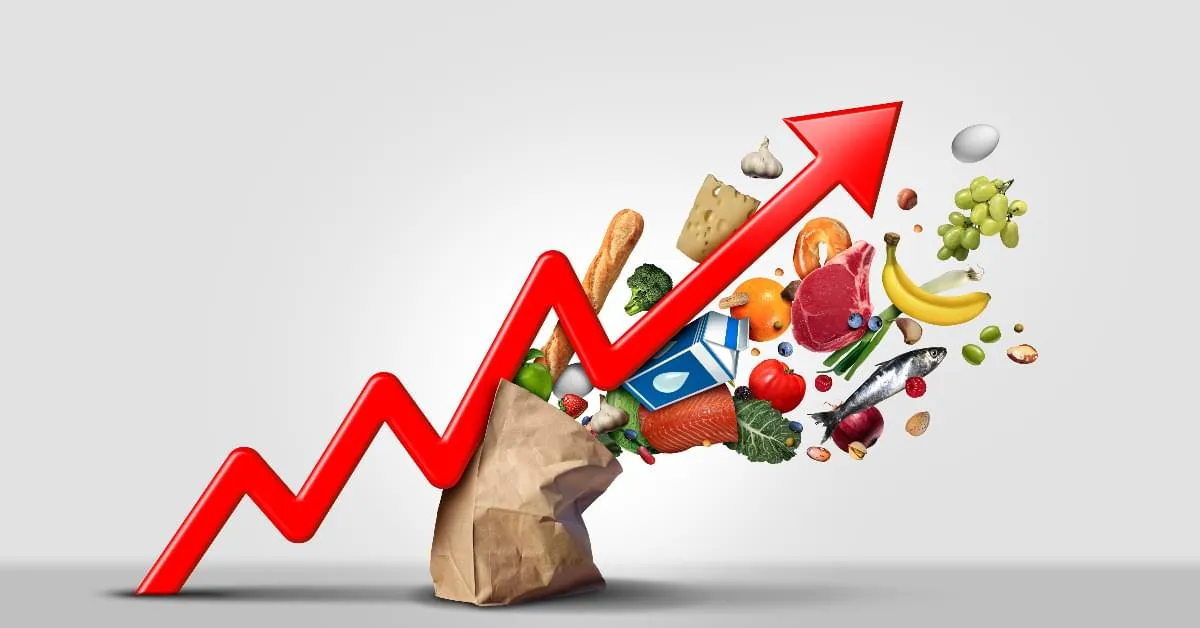
Inflation was once an economic alarm bell. Sharp rises in prices typically triggered public concern, political debate and urgent policy responses. Today, while inflation remains a major issue affecting households, its ability to shock appears to be fading. Rising costs are still felt, but the emotional and political reaction has become noticeably muted.
In many countries, inflation has persisted for several years, reshaping expectations. Consumers no longer experience price increases as sudden disruptions but as part of an ongoing pattern. Grocery bills rise, rents increase and services become more expensive, yet these changes are increasingly met with resignation rather than outrage. What was once a crisis narrative is now treated as a chronic condition.
This shift has important political implications. Inflation traditionally played a powerful role in shaping voter sentiment and government priorities. High prices often translated into falling approval ratings and pressure for rapid intervention. Today, although inflation continues to strain household budgets, public reaction is less concentrated and less explosive. Anger has not disappeared, but it is spread thinly across many issues, from housing to healthcare to taxation.
One reason inflation has lost its shock value is duration. When price increases persist without clear resolution, people adapt psychologically. Initial concern gives way to fatigue. Over time, households adjust spending habits, downgrade expectations and normalise constraints. Inflation becomes something to manage rather than something to defeat.
Another factor is credibility. Public trust in economic forecasting and policy messaging has weakened. Repeated assurances that inflation is easing or under control often clash with everyday experience. When official narratives fail to align with lived reality, warnings lose force. Price stability becomes an abstract promise rather than a felt improvement.
Political leaders face a difficult balance. On one hand, inflation remains a central issue that affects nearly every voter. On the other, dramatic rhetoric risks sounding detached or repetitive. Governments increasingly frame inflation alongside broader cost of living concerns, recognising that prices are only one part of a larger affordability problem.
The global nature of recent inflation has also reduced its shock impact. Supply chain disruptions, energy shocks and geopolitical tensions have created a sense that price rises are external and unavoidable. When inflation is perceived as a global phenomenon rather than a domestic failure, accountability becomes blurred. Public reaction shifts from protest to acceptance.
However, acceptance should not be mistaken for indifference. Inflation continues to shape political preferences in quieter ways. Voters may not rally around single issue protests, but they factor cost pressures into decisions about employment, housing and long term security. These choices accumulate, influencing economic behaviour and electoral outcomes over time.
There is also a risk in normalisation. When inflation loses urgency, structural problems can persist without resolution. Housing shortages, weak wage growth and uneven access to essential services may deepen if rising costs are treated as inevitable. Political momentum for reform often depends on public pressure, and fatigue can weaken that force.
Some analysts argue that inflation’s reduced shock value reflects a broader shift in political culture. Economic instability has become a constant feature rather than an exception. In such an environment, voters prioritise resilience over promises of stability. Policies that offer incremental relief may resonate more than sweeping pledges that feel unrealistic.
Looking ahead, the challenge for policymakers is reengagement. Addressing inflation requires more than technical adjustments. It demands restoring trust that economic management can improve daily life. Clear communication, tangible outcomes and acknowledgment of lived experience are essential.
Inflation may no longer dominate headlines with the intensity it once did, but its effects remain deeply political. The danger lies not in panic, but in complacency. When rising prices stop shocking, they risk becoming embedded, shaping societies quietly and persistently.