News
London Transport Policies: Fare Hikes, Accessibility, and Public Backlash

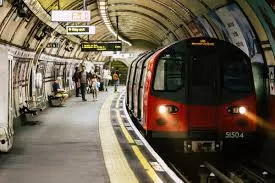
London’s transport system has long been a lifeline for millions, but recent fare hikes and ongoing accessibility challenges have sparked controversy and public frustration. From my observations at stations, bus stops, and council consultations, it is clear that transport policy is now one of the most politically charged topics in the city.
Rising Costs for Commuters
For everyday Londoners, commuting costs are a significant concern. The 2025 fare increase, covering buses, the Underground, and overground rail, has reignited debates about affordability. Residents from Hackney to Croydon report that rising fares are forcing tough choices between commuting, housing, and essential living expenses.
During a morning commute on the Central line, I observed the frustration firsthand. Commuters discussed the challenges of managing household budgets while navigating a system that many rely on daily. One long-term passenger remarked, “It feels like we are paying more for less comfort and reliability.” Such sentiments are echoed across social media and public forums, reflecting widespread discontent.
Accessibility Concerns
Fare increases are compounded by ongoing accessibility issues. Many stations still lack lifts, ramps, or clear signage for disabled passengers. Elderly commuters and those with limited mobility face daily hurdles, which reduces their independence and access to employment, healthcare, and social activities.
At a recent council consultation, residents highlighted the need for greater investment in accessible transport infrastructure. Officials noted that improvements are underway, but timelines are long and resources limited. From my perspective, residents’ patience is wearing thin, particularly as fares rise without corresponding improvements in service quality.
Political Debate and Policy Decisions
Transport policy has become a focal point in London politics. Politicians must balance the financial needs of Transport for London (TfL) with the public demand for affordable and reliable services. The debate is intensified by complex funding arrangements, including government subsidies, fare revenue, and investment in new infrastructure projects.
Candidates in local elections often use fare policies as campaign points. Some advocate fare caps, discounted passes for students and low-income residents, or expanded free travel programs. Others emphasize the need for sustainable revenue to maintain and modernize the network. From attending campaign events, it is clear that voters are closely scrutinizing each candidate’s approach to transport affordability and accessibility.
Economic and Social Implications
Transport affordability has direct economic consequences. High fares can limit access to job opportunities, particularly for lower-income residents. Small businesses near transport hubs are also affected if commuters reduce travel due to cost. From my observations at borough council sessions, officials recognize that a well-functioning transport system underpins economic activity, social mobility, and quality of life.
Conversely, mismanaged fare policies or inadequate service improvements can fuel public dissatisfaction, eroding trust in government. Residents consistently emphasize that any fare increases must be matched by tangible improvements in reliability, comfort, and accessibility.
Innovative Solutions and Public Engagement
Some solutions are being explored. Contactless payment discounts, off-peak fare reductions, and integrated transport passes aim to ease financial pressure on commuters. Initiatives to increase cycling, walking, and electric bus services are also part of broader efforts to modernize London’s transport network sustainably.
From my perspective, covering public consultations, the most successful approaches combine affordability measures with visible service improvements. Engaging residents directly in planning, through surveys, forums, and advisory committees, helps ensure policies align with real-world needs.
Looking Ahead
London’s transport policy debates are more than financial, they touch on social equity, accessibility, and public trust. Fare hikes without meaningful improvements risk alienating residents, while underfunding services threatens reliability and safety.
The city’s leaders must navigate these challenges carefully. Transparent communication, evidence-based policy, and active public engagement are essential for maintaining confidence in the transport system. From my observations, a balanced approach that addresses affordability, accessibility, and infrastructure investment offers the best chance of long-term success.
Ultimately, transport policy is a test of governance. How London addresses fare increases, accessibility challenges, and public expectations will shape not only commuter experience but also economic vitality, social cohesion, and public trust in local government.