Politics
London Politics at a Crossroads: Governance, Budget Cuts, and Public Trust

London’s political landscape is facing one of its most challenging periods in recent memory. Budget pressures, controversial policy decisions, and growing public dissatisfaction are creating a perfect storm for city leaders. From my observations attending council meetings and public forums across multiple boroughs, the tension between governance, fiscal responsibility, and public expectation has never been more evident.
Budget Cuts and Fiscal Strain
One of the biggest flashpoints is the city’s budget. London’s local councils have faced continued reductions in funding from central government, forcing difficult decisions on public services. Libraries, youth centers, and social programs have all seen cuts, leaving residents frustrated and worried about access to essential services.
During a recent visit to a South London borough, I observed heated debates at a council meeting where officials explained that rising inflation, energy costs, and salary commitments have left them with little room to maneuver. Residents expressed anger and disappointment, emphasizing that the cuts disproportionately affect low-income families and vulnerable groups.
Policy Decisions Under Fire
Policy decisions in areas like housing, transport, and policing have also become hot topics. Affordable housing initiatives often clash with development interests, while transport fare increases spark widespread public debate. From my perspective covering community consultations, it’s clear that residents expect policies that are fair, transparent, and evidence-based. Yet, there is a perception that decisions are sometimes driven more by political expediency than public need.
For example, a proposed development project in East London led to protests from local residents who felt excluded from consultation processes. Balancing economic growth with community interests remains a delicate act for policymakers.
Political Fragmentation and Public Trust
London’s political scene is increasingly fragmented. Disagreements within parties, between borough councils, and between local and central government often delay key initiatives. During public forums I attended, constituents voiced concerns about inconsistent messaging, slow decision-making, and perceived lack of accountability.
Public trust is at stake. Citizens want transparent leadership, clear communication, and policies that reflect the city’s diverse population. Without this trust, even well-intentioned reforms can face resistance, leaving essential services underfunded or delayed.
The Role of Elections and Civic Engagement
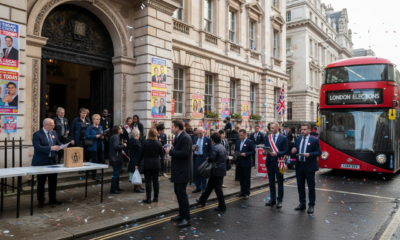
Upcoming local elections will be a critical test of political sentiment. From my observations at town hall meetings, residents are motivated not just by party loyalty but by tangible outcomes: service delivery, housing policies, transport affordability, and community safety. The results of these elections will likely shape London’s political and economic trajectory for years to come.
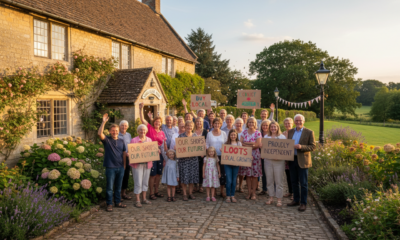
Civic engagement has grown in recent years, driven by social media, grassroots movements, and local activism. Residents are demanding to be heard, participating in consultations, petitions, and public forums. Politicians who ignore these voices risk losing credibility and influence.
Economic Implications of Political Decisions
Policy decisions, or indecision have direct economic consequences. Budget allocations affect public services, infrastructure development, and local business growth. From my observations, boroughs with more proactive, transparent, and participatory governance tend to attract investment, retain talent, and maintain higher resident satisfaction. Conversely, political gridlock and public disillusionment can stifle growth and deepen inequality.
For instance, small business owners I spoke with highlighted how inconsistent regulations and delayed approvals impact their operations, hiring, and expansion plans. Political stability and clarity are crucial for London’s long-term economic health.
Looking Ahead
London’s political landscape is at a crossroads. Leaders must navigate budget constraints, policy controversies, and public dissatisfaction while maintaining trust and accountability. From my perspective, the path forward requires transparent communication, participatory decision-making, and policies that balance economic growth with social equity.
Ultimately, politics in London is more than party rivalry—it is about creating a city where residents feel represented, services are delivered effectively, and economic opportunities are accessible. How leaders respond now will define London’s governance, public trust, and economic resilience for the next decade.