Business
London’s Public Transport Fares: Balancing Affordability and Investment

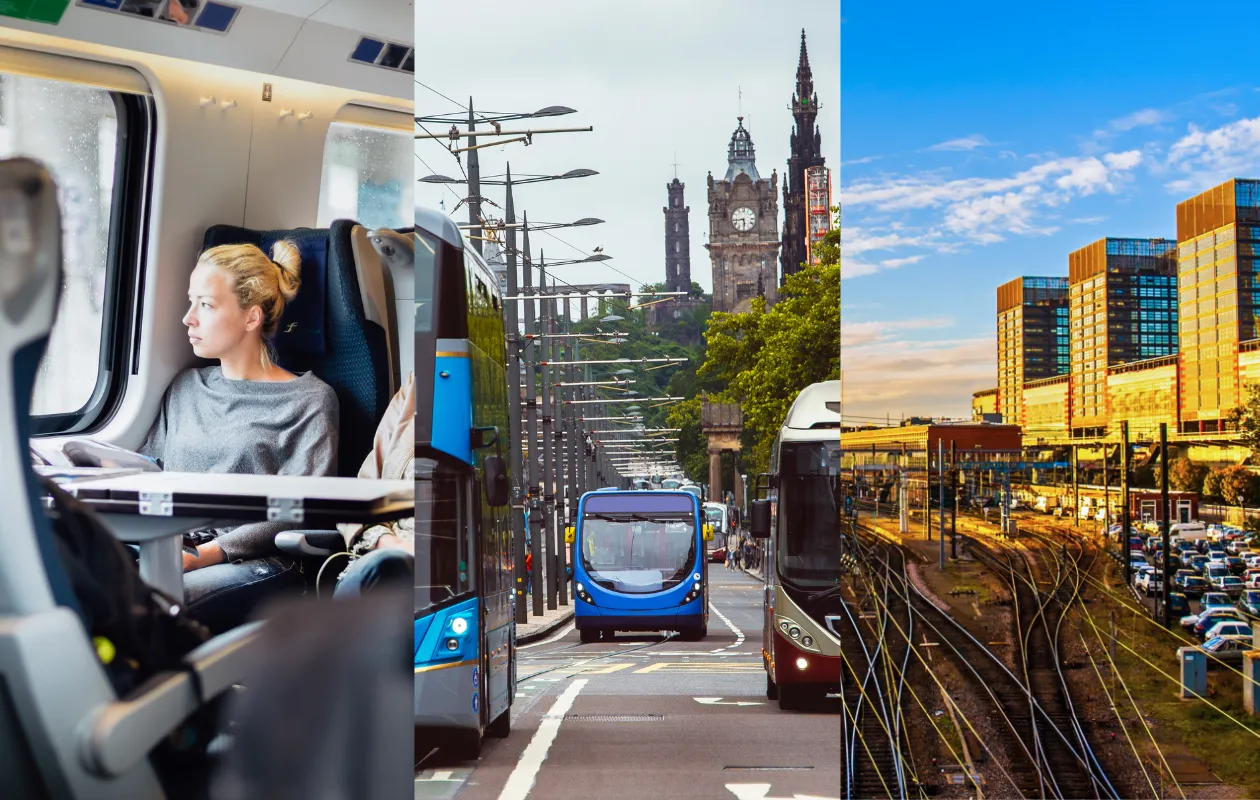
London’s public transport system is both a lifeline and a source of constant debate. Millions rely on the Underground, buses, and rail services to commute, shop, and socialize, yet fare increases often spark controversy. Balancing affordability for passengers with the need to fund maintenance, upgrades, and expansions is one of the city’s most pressing challenges.
The Cost of Commuting
For many Londoners, commuting costs represent a significant portion of household expenses. From my observations in central London stations during rush hours, the stress and financial strain are palpable. Long queues at ticket machines, crowded trains, and weary passengers are all daily reminders that transport affordability is a live issue.
According to recent data, average monthly travel costs in London have risen sharply in recent years, outpacing wage growth for many commuters. For families and young professionals, the challenge is particularly acute: high fares can limit job opportunities, reduce disposable income, and impact overall quality of life.
The Investment Imperative
At the same time, London’s transport network requires substantial investment. Aging infrastructure, signal upgrades, and the expansion of rail and bus services all demand funding. Without sufficient revenue from fares, projects to improve reliability, safety, and environmental sustainability would stall.
During a visit to a Transport for London briefing, I observed officials emphasizing that fare revenue is critical to keeping services running. Investments in new trains, station refurbishments, and accessibility improvements are essential to meet the city’s growing population and evolving travel needs.
Policy Challenges and Public Response
Balancing affordability with investment is easier said than done. Fare caps, discounts, and subsidies can ease pressure on passengers, but they must be funded either by government support or higher fares elsewhere. From conversations with commuters and local business owners, it is clear that public tolerance for fare increases is limited, especially when service reliability does not consistently improve.
One bus commuter in Croydon told me, “We’re paying more but still dealing with delays and crowded buses. Investment is important, but it needs to show results for passengers.” This sentiment reflects a broader expectation that fare hikes must correlate with tangible improvements.
Equity and Accessibility
Affordability is not just a financial concern, it is also an equity issue. Low-income residents, students, and elderly passengers are disproportionately affected by rising fares. Policies such as discounted passes, free travel for certain groups, and support for off-peak travel are critical to ensuring access for all.
I attended a community forum where residents stressed that transport affordability directly affects opportunities for work, education, and social engagement. A fair and accessible system is essential for economic mobility and social inclusion in a city as diverse as London.
Innovative Approaches
Some innovative approaches are being explored. Dynamic pricing, contactless payment discounts, and integration of cycling and walking initiatives into transport planning are helping to reduce pressure on fares while encouraging sustainable travel. In my experience covering these initiatives, pilot programs that combine financial incentives with improved service quality have been most effective in gaining public support.
Policymakers are also looking at long-term funding solutions, including government subsidies, private investment, and strategic partnerships. The goal is to maintain a reliable, modern, and affordable network while ensuring financial sustainability.
Looking Forward
London’s public transport system is at a crossroads. Commuters want affordability, reliability, and accessibility, while operators need funds for investment and modernization. From my perspective covering local transport discussions, achieving this balance will require transparency, engagement, and innovative policy solutions.
Ultimately, public transport is about more than moving people—it is about connecting communities, supporting the economy, and enabling a high quality of life. Fare policy cannot be considered in isolation; it must reflect broader priorities of equity, sustainability, and economic growth.
For Londoners, the challenge is clear: they want a system that works efficiently, remains affordable, and invests in the future. For policymakers, the task is equally clear: develop solutions that balance these demands while ensuring the network can meet the needs of a dynamic and growing city.