Politics
London Mayoral Elections 2025: How Economic Policies Are Shaping Voter Decisions

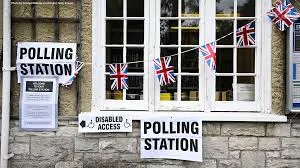
The London mayoral election of 2025 is more than a political contest, it is a referendum on economic policy and the future direction of the capital. With housing, transport, employment, and public services dominating public debate, voters are closely examining how candidates’ economic strategies will affect their daily lives and long-term prospects.
Economic Issues at the Forefront
From my observations and conversations with Londoners across diverse boroughs, economic issues are consistently top of mind. Housing affordability, transport costs, wage growth, and public service funding are not abstract concerns, they shape how people live, work, and plan for the future.
Housing remains the most pressing issue for many voters. Candidates are scrutinized for their approaches to affordable housing, rent regulation, and support for first-time buyers. Some propose large-scale social housing programs, while others advocate for incentives to attract private investment in residential developments. Residents I spoke with expressed frustration at rising property prices, emphasizing that any mayor must prioritize housing solutions that balance accessibility and investment.
Transport is another critical concern. With London’s complex network of buses, trains, and the Underground, the cost and reliability of commuting directly impact residents’ quality of life. Policies promoting low-emission zones, congestion charges, and investment in public transport are key differentiators between candidates. During interviews with commuters, I noticed that affordability and efficiency are equally important—they want services that are sustainable, but not prohibitively expensive.
Business, Jobs, and Post-Pandemic Recovery
London’s economy is still adjusting to post-pandemic realities. High streets, cultural sectors, and small businesses are recovering from years of disruption, while tech and finance continue to drive growth. Candidates’ proposals for economic development, business support, and job creation are under intense scrutiny.
Some voters, particularly entrepreneurs and small business owners, are focused on policies that simplify regulations, provide grants, and encourage innovation. Others, including union members and public sector workers, prioritize protections, wage growth, and secure employment. As I observed at a recent policy debate, balancing growth with fairness remains a central theme in public discussions.
Public Opinion and Voter Sentiment
From grassroots conversations to social media debates, voters are increasingly economically literate and aware of policy implications. Many express skepticism about vague promises, emphasizing the need for practical solutions that address inflation, cost of living, and long-term economic stability.
Interestingly, voter interest is not uniform across demographics. Younger residents are highly concerned with housing and job opportunities, while older voters focus on pensions, healthcare, and transport affordability. This divergence requires candidates to present nuanced economic platforms that resonate with multiple constituencies.
Campaign Strategies and Policy Promises
Economic policy has become central to campaign strategies. Candidates are using detailed manifestos, public forums, and targeted social media campaigns to outline their plans for housing, transport, employment, and public investment.
From my perspective covering campaign events, those who combine ambitious long-term vision with practical, evidence-based measures are gaining traction. For example, proposals to create green jobs while improving public transport appeal to voters seeking both sustainability and economic opportunity. Conversely, candidates who focus narrowly on rhetoric without clear implementation plans risk losing credibility.
The Broader Implications
The mayoral election will shape London’s economic trajectory for years to come. Beyond immediate policy changes, the outcome will influence investor confidence, public spending priorities, and the city’s reputation as a global business hub. Londoners are aware that the mayor’s decisions impact not only their daily lives but also the broader health of the capital’s economy.
As I’ve observed, residents want leaders who are transparent, accountable, and capable of balancing growth with social equity. Voters are increasingly attentive to how policies affect inequality, affordability, and employment security, reflecting a growing expectation that economic leadership be both visionary and practical.
Looking Forward
London’s 2025 mayoral election highlights a key truth: economics drives politics in a city where cost of living, housing, and business opportunities are central to residents’ lives. For voters, it is not just about party allegiance—it is about assessing whether candidates’ policies will make London a more affordable, prosperous, and sustainable city.
As election day approaches, citizens will weigh proposals, scrutinize promises, and decide which vision for London’s economy aligns with their hopes and daily realities. From my perspective covering local discussions and debates, this election underscores the critical role of economic policy in shaping public trust and the future of one of the world’s most dynamic cities.