
Latest News
The Salt Path and 2025’s Most Controversial Memoirs

2025 has been a year in which personal stories dominated bookshelves and headlines alike. Memoirs, once considered private reflections, have increasingly become cultural events, shaping public debate, sparking controversies, and revealing the complexities of lived experience. From tales of resilience to explosive exposés, this year’s most talked-about books have demonstrated just how powerful, and sometimes polarising, the memoir genre can be.
Memoirs as Cultural Touchstones
Raynor Winn’s The Salt Path, which has continued to captivate readers, exemplifies the enduring appeal of deeply personal narratives. Winn’s story of walking the South West Coast Path with her husband after losing their home resonates with readers on themes of endurance, connection to nature, and finding hope amid hardship. In 2025, the book’s ongoing popularity reminds us that memoirs often offer more than a story; they provide a mirror for readers to reflect on their own challenges and resilience.
Yet alongside stories of survival and courage, this year saw memoirs that provoked controversy, raising questions about privacy, accountability, and the ethics of storytelling. Memoirs are no longer just literary exercises; they have become instruments of cultural influence, capable of shaping reputations and public perception.
Explosive Exposés
One of the most talked-about releases was Sarah Wynn-Williams’s Careless People, an insider account of her time working at Meta, the company behind Facebook and Instagram. Despite legal restrictions and a gagging order preventing her from publicly promoting the book, it became a bestseller. Wynn-Williams’s revelations about corporate culture, decision-making, and internal politics sparked debate about transparency in major tech companies and the limits of non-disclosure agreements.
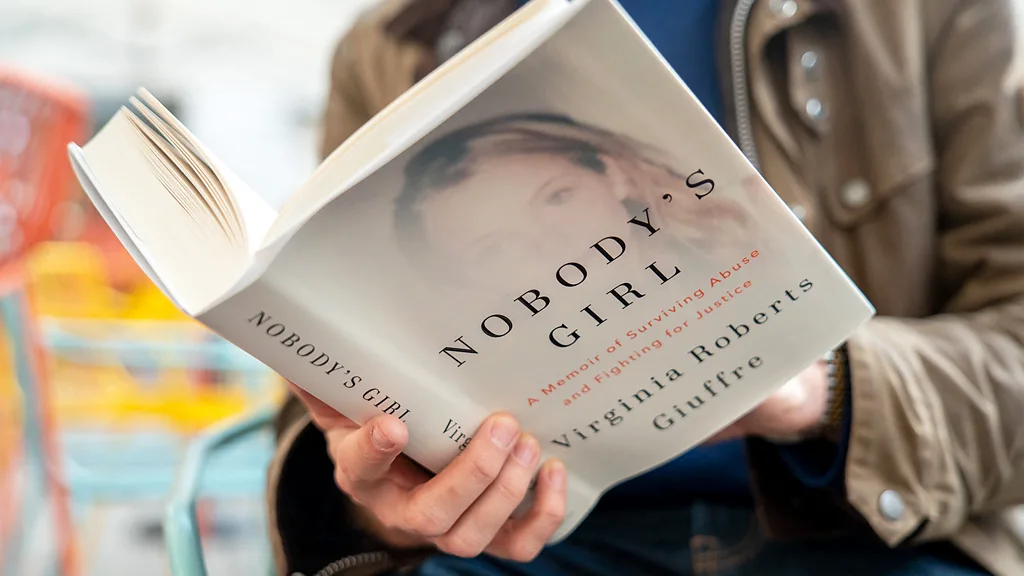
Similarly, Virginia Giuffre’s posthumous autobiography Nobody’s Girl made headlines worldwide. In her book, she recounted sexual abuse by Jeffrey Epstein and members of his circle, naming high-profile figures, including Andrew Mountbatten-Windsor. The book sold over a million copies within two months and intensified public scrutiny on the former prince, ultimately contributing to calls for him to be stripped of his titles. The release of Giuffre’s memoir underscores how personal stories can intersect with justice, social accountability, and public discourse in profound ways.
Political and Public Figures in the Memoir Spotlight
Politics also had its share of memoir moments in 2025. Kamala Harris’s 107 Days, detailing her short-lived presidential campaign, offered a candid and sometimes critical perspective on political alliances and leadership dynamics. Her reflections on Joe Biden and the internal challenges of campaigning became fodder for news analysis, illustrating how memoirs by public figures now function as both personal narratives and political statements.
Other memoirs by well-known figures also captured attention for their mix of insight and influence. Margaret Atwood, Malala Yousafzai, and Jacinda Ardern shared stories that combined personal reflection with social commentary. Meanwhile, authors like Arundhati Roy (Mother Mary Comes to Me) and Yiyun Li (Things in Nature Merely Grow) brought intimate, often heart-wrenching accounts of personal loss and grief to a wider audience, demonstrating that memoirs continue to be a space for vulnerability and empathy.
Memoirs in the Age of Controversy
What 2025 demonstrates is that memoirs are evolving. Readers no longer simply seek stories; they seek revelations, accountability, and connections to current debates. Memoirs now operate at the intersection of literature, social commentary, and cultural critique.
However, this evolution comes with challenges. Controversial memoirs raise questions about ethics, consent, and accuracy. The public’s appetite for scandal and insider accounts can sometimes overshadow reflective, quieter works like The Salt Path. Authors and publishers must navigate these tensions, balancing compelling storytelling with responsibility toward subjects, readers, and wider society.
Looking Ahead
As the year closes, one thing is clear: memoirs remain among the most influential literary forms in contemporary culture. From uplifting personal journeys to explosive exposés, they provoke conversation, shape reputations, and engage readers in ways few other genres can. In 2025, memoirs have proven themselves not just as literature, but as instruments of social dialogue capable of inspiring empathy, reflection, and debate all at once.
Whether it’s the quiet, life-affirming steps of Winn on the South West Coast Path or the headline-making revelations of Wynn-Williams and Giuffre, memoirs in 2025 have reminded us that personal stories can be both profoundly human and powerfully public.



