
Politics
The Carol of Peace Born from a Biblical Massacre

As I looked back at the history of the Coventry Carol, I was struck by a contradiction that feels especially powerful at Christmas. The song is widely associated with peace, remembrance and reconciliation, yet its origins lie in one of the Bible’s darkest stories, a massacre of innocent children. That contrast, I noticed, is exactly what gives the carol its enduring strength.
The Coventry Carol dates back to the 16th century and was originally written for a medieval mystery play performed in the city. It tells the story of the Massacre of the Innocents, ordered by King Herod, who feared the birth of a rival king. In the carol, mothers mourn their children, knowing they cannot save them. It is not a song of celebration, but of grief, fear and loss.
Over centuries, those themes have never faded, but it was the events of the Second World War that permanently reshaped how the carol would be heard.
Christmas After the Blitz
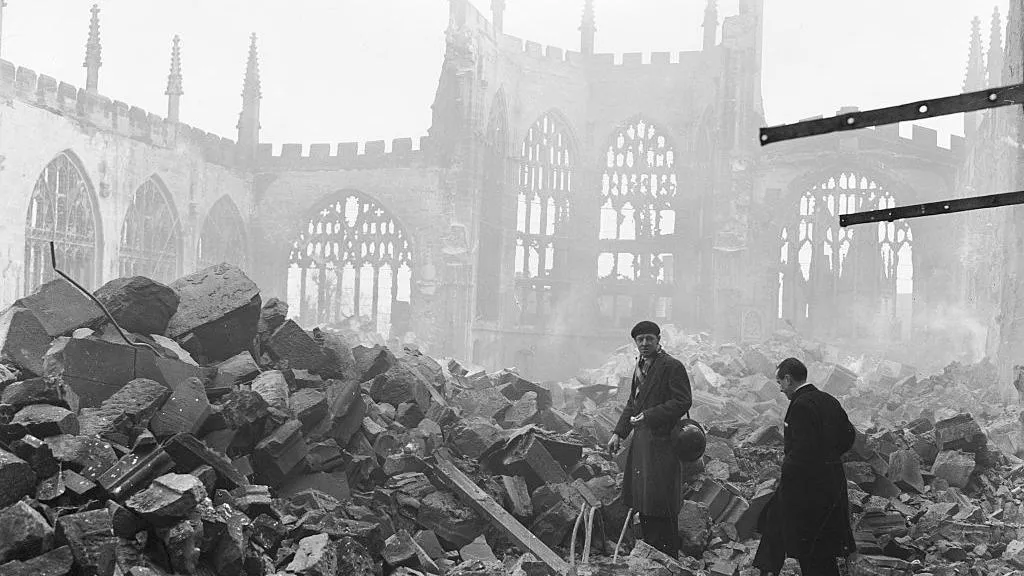
On the night of 14 November 1940, Coventry was devastated by one of the most concentrated bombing raids of the war. German bombers dropped hundreds of tons of explosives and incendiary devices, destroying much of the city. By morning, Coventry’s medieval cathedral stood roofless and broken, surrounded by rubble and smoke.
Just six weeks later, on Christmas Day, a small group gathered inside those ruins for a service unlike any other. With winter air moving freely through the shattered walls, the service was broadcast live to the nation. At a time when grief, anger and calls for retaliation were widespread, the setting alone carried a powerful message.
What stood out to me when revisiting accounts of that service was its restraint. There was no attempt to hide the destruction or soften its impact. Instead, the ruins became part of the message.
A Radical Call for Forgiveness
Provost Richard Howard addressed listeners across the country from the heart of the devastation. Rather than calling for revenge, he spoke of forgiveness and hope, urging the nation to “banish hopes of revenge.” In the context of 1940, with Britain still under threat and the war far from decided, those words were quietly radical.
I observed that this moment marked a turning point in how Coventry would later define itself. The city did not deny its suffering, but it refused to let destruction determine its moral response. That choice would shape Coventry’s post-war identity as a place committed to peace and reconciliation.
The service concluded with the Coventry Carol.
A Song Reborn in Ruins
Hearing the Coventry Carol sung in the ruins of the cathedral transformed its meaning. A song originally written about a biblical massacre now echoed through a space scarred by modern warfare. The voices of mourning mothers from scripture seemed to merge with the grief of families who had lost loved ones in the Blitz.
What I noticed is how naturally the song bridged centuries of suffering. It did not need to be rewritten or modernised. Its lament already understood loss. In that ruined cathedral, the carol became both a memorial and a warning.
From that moment on, the Coventry Carol was no longer just a historical piece of music. It became a symbol, of peace born from tragedy, and of compassion chosen over hatred.
Memory, Meaning and Modern Relevance
Today, the ruins of Coventry Cathedral remain standing, preserved rather than rebuilt. They serve as a permanent reminder of the cost of conflict. The new cathedral, built alongside them, represents renewal rather than erasure.
The Coventry Carol exists in the same space between memory and hope. It is sung every Christmas, often described as beautiful, yet its lyrics remain deeply sorrowful. That tension is intentional. Peace, the song suggests, is not the absence of pain, but the refusal to repeat it.
As I reflect on why this story still resonates, it becomes clear that the carol’s power lies in honesty. It does not promise easy comfort. Instead, it asks listeners to sit with grief, to acknowledge suffering, and to choose compassion anyway.
In a world where violence and division persist, the message carried from the ruins of Coventry on Christmas Day continues to matter. A song born from massacre, reshaped by war, still reminds us that peace is not passive; it is a decision.



