News
Debate Grows Over Claims of Christian Persecution in Nigeria

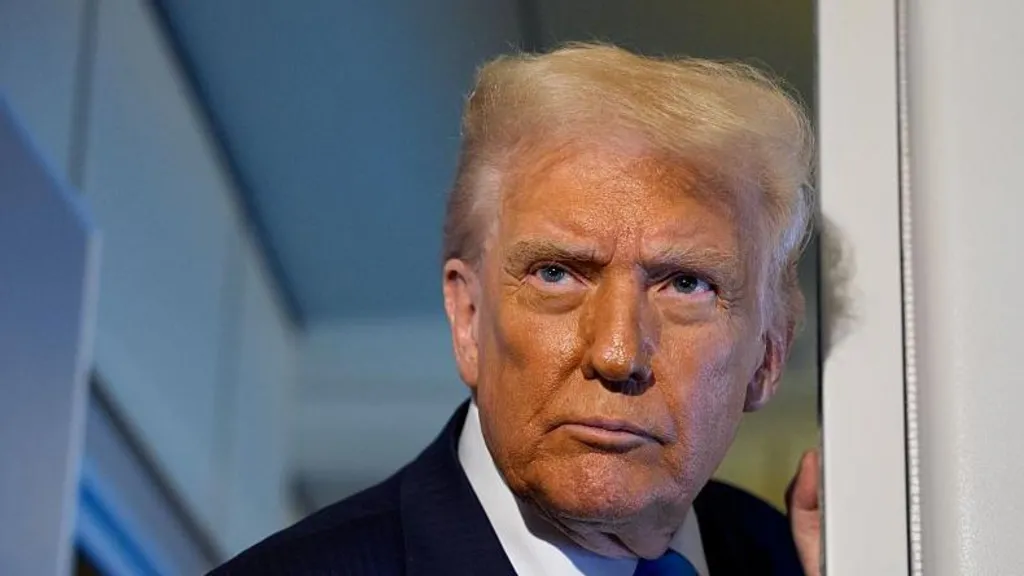
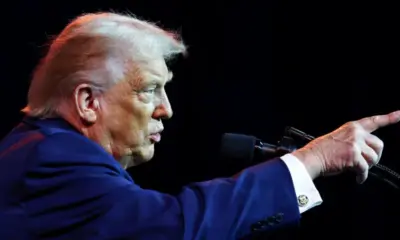
Claims that Christians are being systematically persecuted in Nigeria have come under renewed scrutiny following comments by US President Donald Trump, who said American forces had carried out strikes against Islamic State fighters in the country. Trump accused the group of targeting and brutally killing mainly innocent Christians, a statement that has reignited an already heated international debate.
The comments followed weeks of pressure from campaigners and politicians in Washington who argue that Islamist militants in Nigeria are deliberately singling out Christians for violence. These calls for action have been echoed by influential public figures and widely shared on social media, where dramatic claims about mass killings and church burnings have circulated.
In September, US television host and comedian Bill Maher described the situation as a genocide. Referring to Boko Haram, he said the group had killed more than 100,000 people since 2009 and burned thousands of churches. Similar figures have been repeated online, gaining traction among audiences far beyond Nigeria.
However, investigations by journalists and researchers suggest that some of the data behind these claims are difficult to verify. Independent analysts say casualty figures are often exaggerated or taken out of context, making it hard to draw firm conclusions about who is being targeted and why.
The Nigerian government has strongly rejected accusations that Christians are being singled out. Officials in Abuja say such claims amount to a serious misrepresentation of reality. While acknowledging that the country faces deadly violence, they argue that extremist groups attack anyone who rejects their ideology, regardless of religion. According to the government, Muslims, Christians and people of no faith have all been victims.
Other organisations that track political and militant violence in Nigeria support this view. Their data suggest that while Christians have indeed been killed in attacks, the majority of victims of jihadist groups are Muslims. These groups say the conflict is often oversimplified abroad, with religious identity overshadowing other factors such as geography and local power struggles.
Security analyst Christian Ani says attacks on Christians should be understood as part of a broader campaign of terror rather than evidence of a targeted campaign of religious extermination. He argues that there is no solid basis for claims that Christians are being deliberately prioritised as victims.
Nigeria is also grappling with multiple security crises beyond jihadist violence, including banditry, kidnappings and communal clashes, each driven by different causes. Experts warn that merging these distinct conflicts into a single narrative risks misunderstanding the country’s complex challenges.
With a population of around 220 million split roughly evenly between Muslims and Christians, and most attacks occurring in the mainly Muslim north, analysts say the reality is far more nuanced than the headlines suggest.