Business
Frontrunners Emerge in High Stakes Race to Lead the Federal Reserve

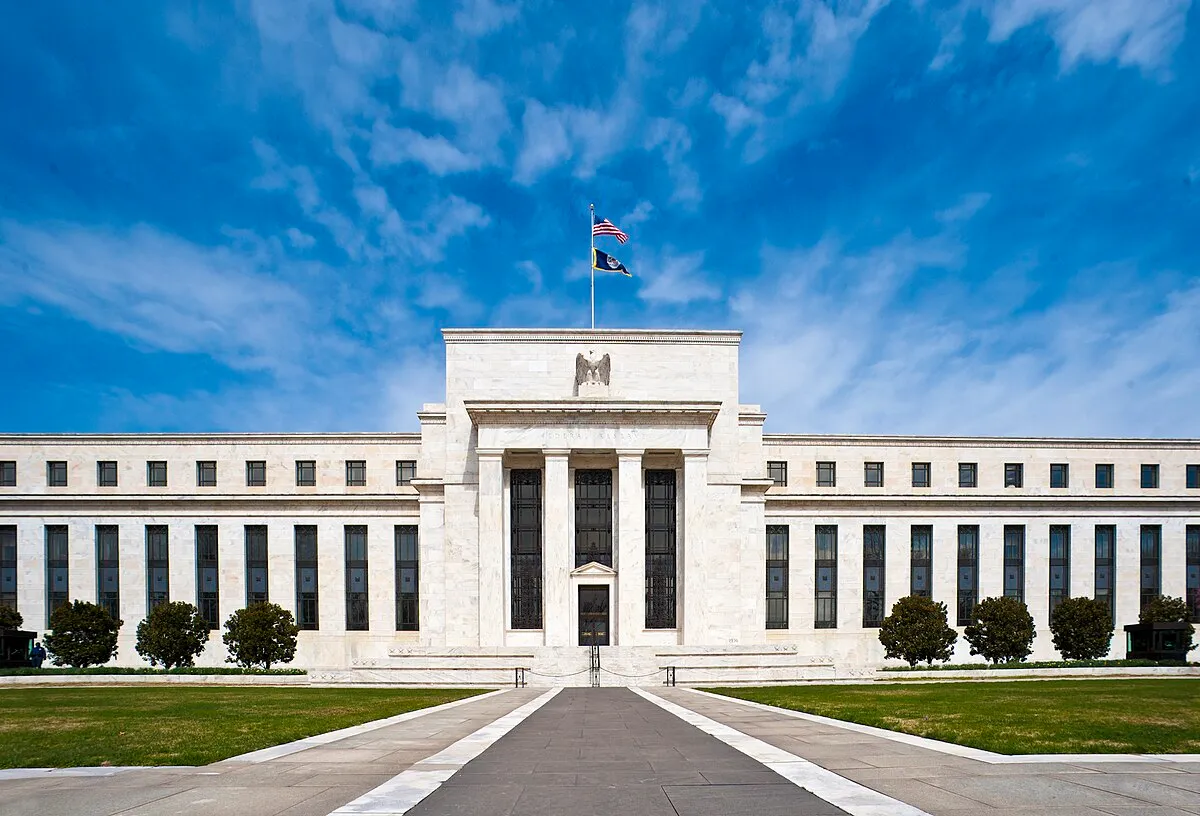
The race to become the next chair of the US Federal Reserve is entering its final stages, with several prominent names circulating as President Donald Trump prepares to nominate a successor to Jerome Powell, whose term ends in May. The decision comes at a sensitive moment for the world’s most influential central bank, as it navigates political pressure, stubborn inflation concerns, and divisions over the future path of interest rates.
Whoever is chosen will inherit an institution under intense scrutiny. Trump has repeatedly called for lower borrowing costs and has openly criticised the Fed’s past decisions, raising concerns among investors about the independence of the central bank. Maintaining credibility while responding to economic signals will be one of the biggest challenges facing the next chair.
Among the leading contenders are figures with deep experience in monetary policy and financial regulation. Current and former Fed officials are seen as strong candidates due to their familiarity with the institution’s internal dynamics and their ability to reassure markets. Some economists with close ties to previous administrations are also being discussed, particularly those viewed as more open to adjusting rates quickly to support growth.
Market participants are watching closely for any signals about the nominee’s stance on inflation and employment. A candidate perceived as too politically aligned could unsettle investors, while someone seen as overly cautious might clash with the White House’s economic agenda. The balance between independence and cooperation will be critical.
Once Trump makes his choice, the nominee will face confirmation hearings in the US Senate, where lawmakers are expected to probe their views on inflation control, financial stability, and political pressure. Those hearings could offer early clues about how the next Fed chair intends to steer policy.
As the deadline approaches, the selection is shaping up to be one of the most consequential economic appointments of the year, with implications not just for the US economy, but for global markets that take their cues from the Federal Reserve’s decisions.