Entertainment
No charges to be brought over Bob Vylan chants at Glastonbury

Police investigation concludes without further action
Police have confirmed that no criminal charges will be brought in relation to chants heard during a performance by Bob Vylan at the Glastonbury Festival, bringing an end to an investigation that followed widespread public and political debate.
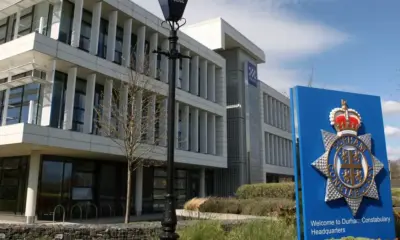
In a statement released this week, Avon and Somerset Police said officers had reviewed all available evidence connected to the incident and determined that it did not meet the legal standard required for prosecution. As a result, the case has been closed with no further action.
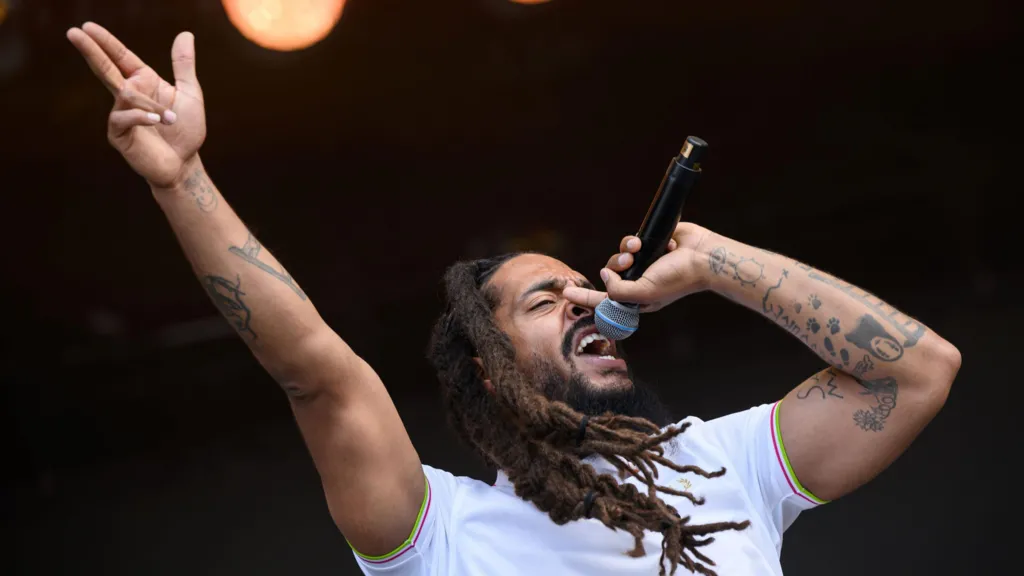
The chants in question took place during Bob Vylan’s set and were later circulated widely on social media, prompting complaints and calls for police intervention. The band is known for its confrontational political messaging, which often addresses issues such as racism, inequality, and international conflict.
Decision guided by legal thresholds
According to police, the decision was based on guidance from the Crown Prosecution Service, which sets out the legal test for criminal charges in England and Wales. Officers concluded there was insufficient evidence to demonstrate a realistic prospect of conviction.
In their statement, the force said that while the performance had attracted strong reactions, the threshold for criminal prosecution is deliberately high. This standard exists to protect freedom of expression while ensuring that genuinely unlawful speech can still be addressed through the courts.
The police emphasized that their role was not to judge artistic or political content, but to assess whether any laws had been broken. After reviewing recordings, witness accounts, and the broader context of the performance, they concluded that the chants did not cross that line.
Reaction and public debate
The outcome has drawn mixed reactions. Supporters of the band argue the decision reinforces the importance of artistic freedom and political expression, particularly in music, where provocation has long been part of the tradition. They say festivals like Glastonbury have historically been spaces for dissenting voices and controversial viewpoints.
Critics, however, have expressed frustration, arguing that chants involving military or geopolitical themes can inflame tensions and cause distress. Some believe the police should have taken a firmer stance, even if charges were unlikely to succeed.
The case highlights how difficult it can be to balance free expression with public sensitivity, especially in an era where live performances are instantly shared and scrutinized online.
Music festivals as political platforms
Glastonbury has a long history of hosting artists who use the stage to make political statements. From anti war messages to environmental activism, performers have frequently used the festival’s global platform to address contentious issues.
Bob Vylan’s appearance fits within that tradition. The duo’s work often blurs the line between music and protest, using raw lyrics and direct language to provoke discussion. While this approach resonates with some audiences, it can also attract controversy, particularly when statements are taken out of the context of a live performance.
The incident has renewed debate about whether music festivals should act as neutral entertainment spaces or continue to function as arenas for political expression.
The role of police in cultural disputes
Legal experts note that police involvement in cultural controversies is becoming more common as public pressure grows through social media. However, they caution against using criminal law to resolve disputes rooted in speech and expression unless clear legal boundaries are crossed.
By closing the investigation without charges, Avon and Somerset Police appear to have reaffirmed that principle. Their statement focused on evidential standards rather than the content or tone of the chants themselves.
This approach may help avoid setting a precedent where artistic performances are routinely subjected to criminal scrutiny, a concern raised by civil liberties groups.
What the decision means going forward
For Bob Vylan, the decision removes immediate legal uncertainty but does not end public debate around their work. For festival organizers and artists more broadly, the case serves as a reminder of the scrutiny that comes with high profile performances.
It also underscores the importance of context in assessing speech at live events. What may be intended as political commentary can be interpreted very differently by audiences watching clips online.
As music, politics, and social media continue to intersect, similar controversies are likely to arise. The Glastonbury decision suggests that, at least for now, the legal system remains cautious about intervening unless clear criminal thresholds are met.
A wider conversation continues
While the investigation has concluded, questions about responsibility, expression, and boundaries in public performances remain unresolved. Festivals, artists, audiences, and authorities will continue to navigate these tensions in a cultural landscape shaped by instant visibility and polarized reactions.
The case ultimately reflects a broader challenge facing modern democracies: how to protect free expression while responding to genuine concerns from the public. In this instance, the law has drawn its line, leaving the wider conversation to continue beyond the courtroom.