Tech
The rise of AI powered toys in festive shopping

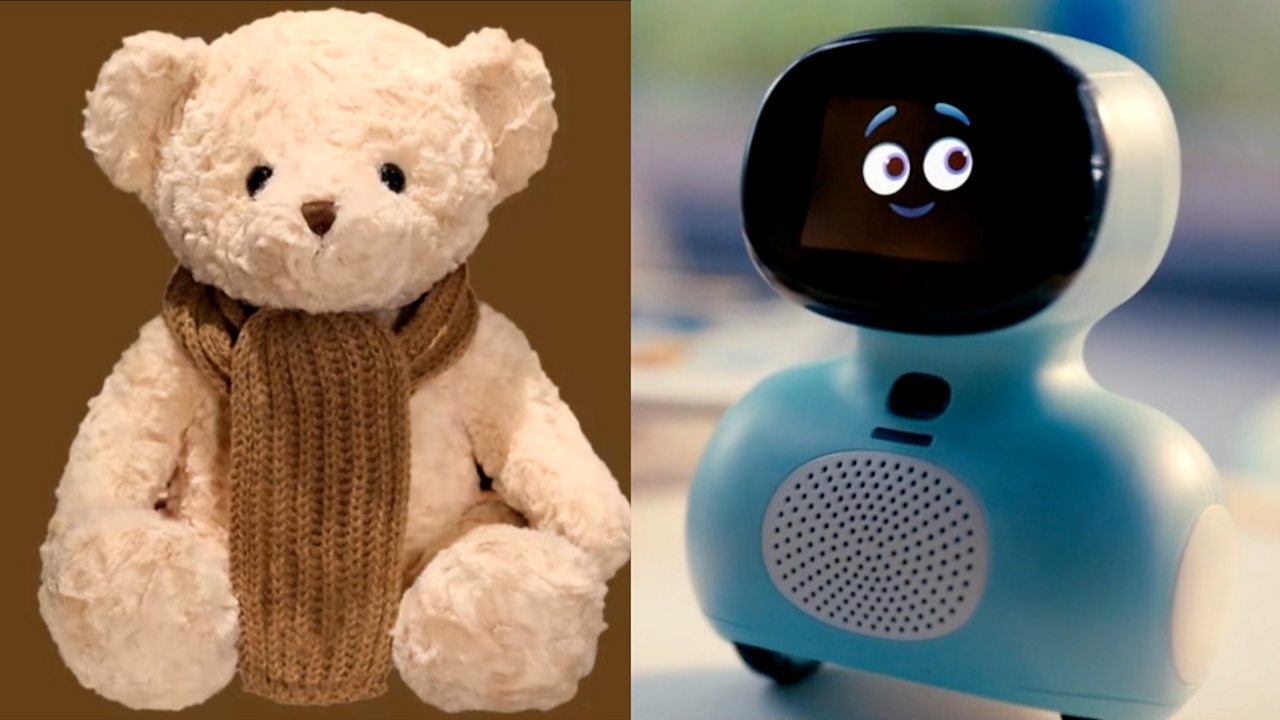
As the Christmas season approaches, toy aisles and online stores are filling up faster than ever. Plush animals, classic board games, and remote controlled cars still hold their place, but a new category is increasingly catching the eye of parents and children alike. Artificial intelligence powered toys are rapidly becoming some of the most talked about items on Christmas shopping lists.
These toys promise more than simple entertainment. They can talk, learn, respond to emotions, and adapt to how a child plays. For families navigating an overwhelming number of options, AI toys stand out by offering something that feels both futuristic and interactive.
What makes AI toys different
Traditional toys tend to follow predictable patterns. A doll speaks the same phrases, a robot follows fixed commands, and a game has set rules. AI toys, by contrast, are designed to evolve. They can recognize voices, remember preferences, and adjust responses based on previous interactions.
Some toys use speech recognition to hold basic conversations. Others use computer vision to react to facial expressions or movement. Educational AI toys often adapt to a child’s learning pace, offering easier or harder challenges depending on performance. This sense of personalization is a major reason behind their growing popularity.
Why parents are paying attention
For many parents, AI toys represent a blend of fun and learning. Educational benefits are often emphasized in marketing, with claims that these toys can help develop language skills, emotional intelligence, or problem solving abilities.
In households where screen time is already a concern, AI toys are sometimes seen as a middle ground. They offer digital interaction without placing a child directly in front of a tablet or phone. Parents are drawn to the idea of toys that respond actively rather than passively entertain.
At the same time, some parents appreciate that AI toys can keep children engaged for longer periods. Toys that change their behavior or unlock new features over time may feel less likely to be abandoned after a few days.
Children and the appeal of intelligent play
From a child’s perspective, AI toys can feel almost magical. A toy that remembers their name, reacts to their mood, or tells a new story each time creates a sense of companionship. For younger children especially, this responsiveness can be deeply engaging.
AI powered robots and characters often resemble friendly animals or animated figures, making the technology feel approachable. Children are less aware of the underlying algorithms and more focused on the experience of being heard and responded to.
This type of interaction reflects how children are growing up surrounded by voice assistants and smart devices. AI toys fit naturally into an environment where technology already plays a central role in daily life.
Concerns about data and development
Despite their popularity, AI toys also raise important questions. Many rely on microphones, cameras, or internet connections, which can involve collecting data about children. Privacy advocates have warned that parents should understand how data is stored, used, and protected.
There are also concerns about social development. Some experts question whether children might form attachments to toys in ways that reduce human interaction. Others worry that relying on AI for conversation or play could affect creativity and independent thinking.
Manufacturers often respond by emphasizing safety features, parental controls, and offline modes. Still, these concerns remain part of the broader conversation around smart toys.
A booming market for tech driven play
The surge in AI toys reflects a wider trend in consumer technology. As artificial intelligence becomes more accessible and affordable, it is moving beyond phones and computers into everyday objects. The toy industry is capitalizing on this shift, especially during the holiday season when parents are more willing to invest in premium products.
Retailers report strong interest in interactive toys that combine entertainment with learning. For many families, AI toys are seen as gifts that feel modern and forward looking, aligning with the skills children may need in the future.
Balancing innovation with intention
AI toys are not likely to replace traditional toys entirely. Blocks, puzzles, and imaginative play still offer benefits that technology cannot replicate. Instead, AI toys are becoming part of a broader mix.
As Christmas approaches, families are faced with choices that reflect not just trends, but values. Whether AI toys become a positive addition depends largely on how they are used, supervised, and balanced with other forms of play.
What is clear is that intelligent toys are no longer a novelty. They are quickly becoming a defining feature of modern childhood, and this festive season may mark their most prominent moment yet.