
Business
Waymo Robotaxis Halt Across San Francisco After Major Power Outage

Power failure exposes infrastructure dependence
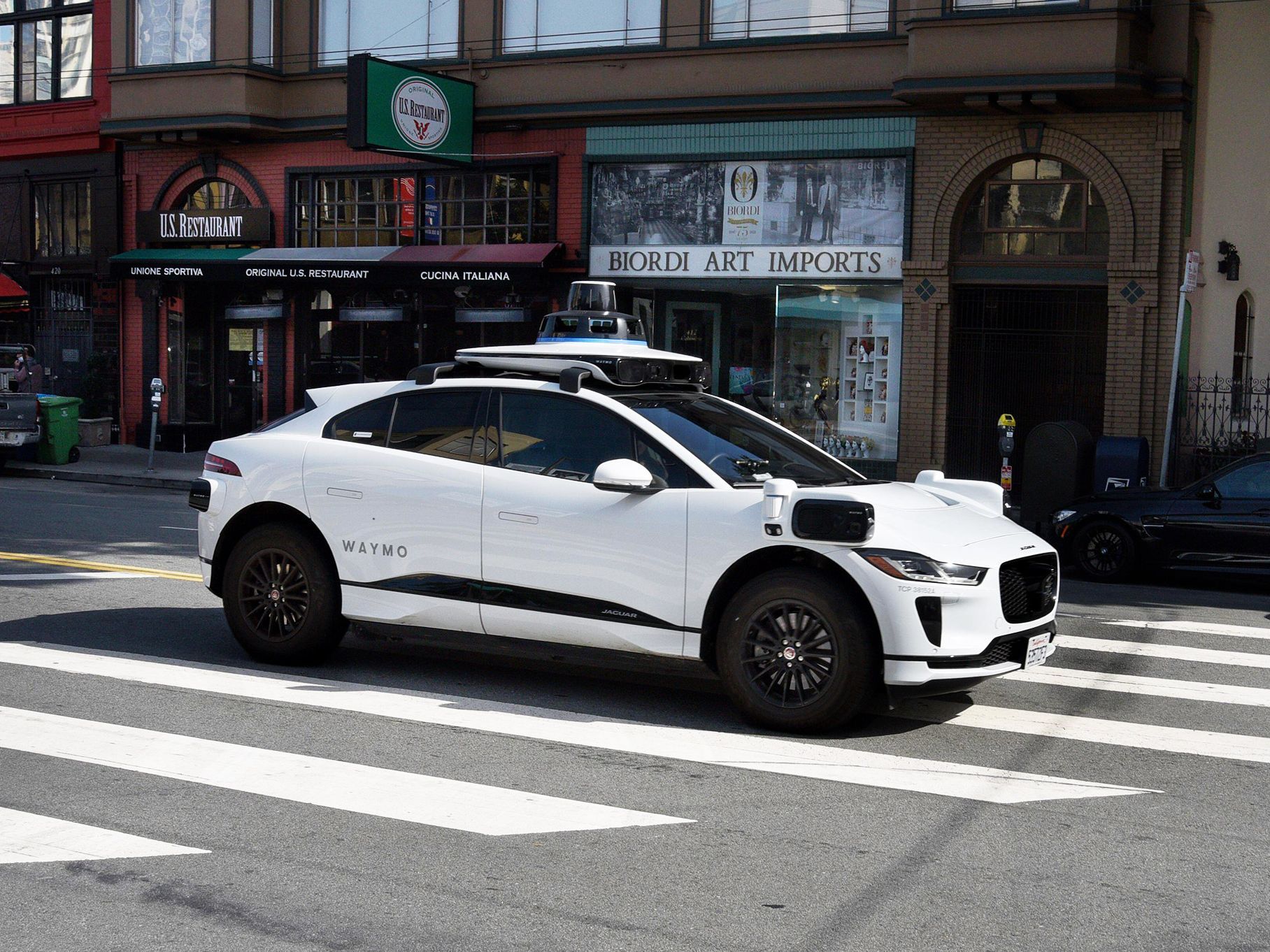
A widespread power outage in San Francisco over the weekend caused Waymo’s self driving taxis to unexpectedly stop across large parts of the city, highlighting the deep reliance autonomous vehicles have on urban infrastructure. The incident unfolded on Saturday afternoon after a fire at a local electrical substation led to extensive damage, cutting electricity to more than 100,000 customers.
According to PG&E, the outage was caused by significant and extensive damage that disrupted service across multiple neighborhoods. While power failures are not unusual in major cities, the scale of the disruption brought new attention to how autonomous transport systems respond when core utilities fail.
Robotaxis stop mid street as traffic builds
As electricity went out, videos began circulating on social media showing Waymo robotaxis halted in the middle of streets and intersections. Many of the vehicles had their hazard lights flashing while remaining stationary, creating unexpected obstacles for other road users.
Drivers were seen maneuvering around the stopped vehicles, sometimes zigzagging through narrow gaps as traffic congestion quickly built up. In some areas, the immobilized robotaxis contributed to temporary gridlock, particularly at busy intersections where human drivers rely on predictable traffic flow.
The scenes raised questions about how autonomous vehicles interpret and respond to sudden environmental failures, especially in complex urban settings where real time coordination is critical.
Why the outage affected autonomous vehicles
Autonomous vehicles rely on a combination of onboard systems, external sensors, cloud based services, and communication networks. While they are designed to operate independently, broader infrastructure such as traffic signals, mapping updates, and network connectivity play an important supporting role.
When the power outage struck, traffic lights in parts of the city went dark and communication systems were disrupted. This created conditions that likely triggered safety protocols within the robotaxis, causing them to stop rather than proceed through uncertain intersections.
From a safety perspective, stopping may be preferable to navigating unpredictable conditions. However, the resulting disruption illustrates how even advanced self driving systems remain interconnected with traditional city infrastructure.
Waymo pauses service as precaution
In response to the incident, Waymo temporarily paused all robotaxi services in the Bay Area. A company spokesperson later confirmed that operations had since resumed once conditions stabilized and power was restored.
The decision to suspend service reflects a cautious approach aimed at minimizing risk to passengers and other road users. Autonomous vehicle operators often prioritize conservative responses during unusual events, particularly when systems receive incomplete or conflicting data.
Waymo has not indicated whether any passengers were inside the vehicles at the time they stopped, but no injuries were reported in connection with the incident.
Broader implications for autonomous mobility
The outage has renewed discussion about the readiness of autonomous vehicles for widespread deployment in dense cities. While self driving technology has made significant progress, incidents like this reveal how dependent these systems remain on the reliability of surrounding infrastructure.
Urban environments are complex and vulnerable to disruptions ranging from power outages to extreme weather. Ensuring that autonomous vehicles can safely adapt to these conditions without creating new hazards remains an ongoing challenge for developers and regulators alike.
The event also raises questions about coordination between utility providers, city authorities, and autonomous vehicle operators during emergencies. Clear protocols may be needed to manage situations where multiple systems fail simultaneously.
Public perception and trust
Public trust is a crucial factor in the adoption of autonomous transport. Images of driverless cars stalled in intersections can undermine confidence, even if the systems acted cautiously by stopping.
At the same time, some observers argue that the incident demonstrates responsible behavior by the vehicles. Rather than proceeding blindly, the robotaxis halted in response to uncertainty, potentially preventing more serious accidents.
How companies communicate these events and explain system behavior will play a key role in shaping public understanding.
A reminder of shared urban systems
The San Francisco outage serves as a reminder that autonomous vehicles do not operate in isolation. They are part of a broader urban ecosystem that includes power grids, communications networks, and human behavior.
As cities and technology companies continue to invest in autonomous mobility, resilience planning will become increasingly important. Ensuring that self driving systems can handle infrastructure failures smoothly may be just as critical as improving their performance under normal conditions.
For now, the incident stands as a real world test of how emerging technologies interact with old infrastructure, and how cities adapt when both collide.



