Business
TikTok Owner Signs Deal to Prevent US Ban

A long running standoff reaches a turning point
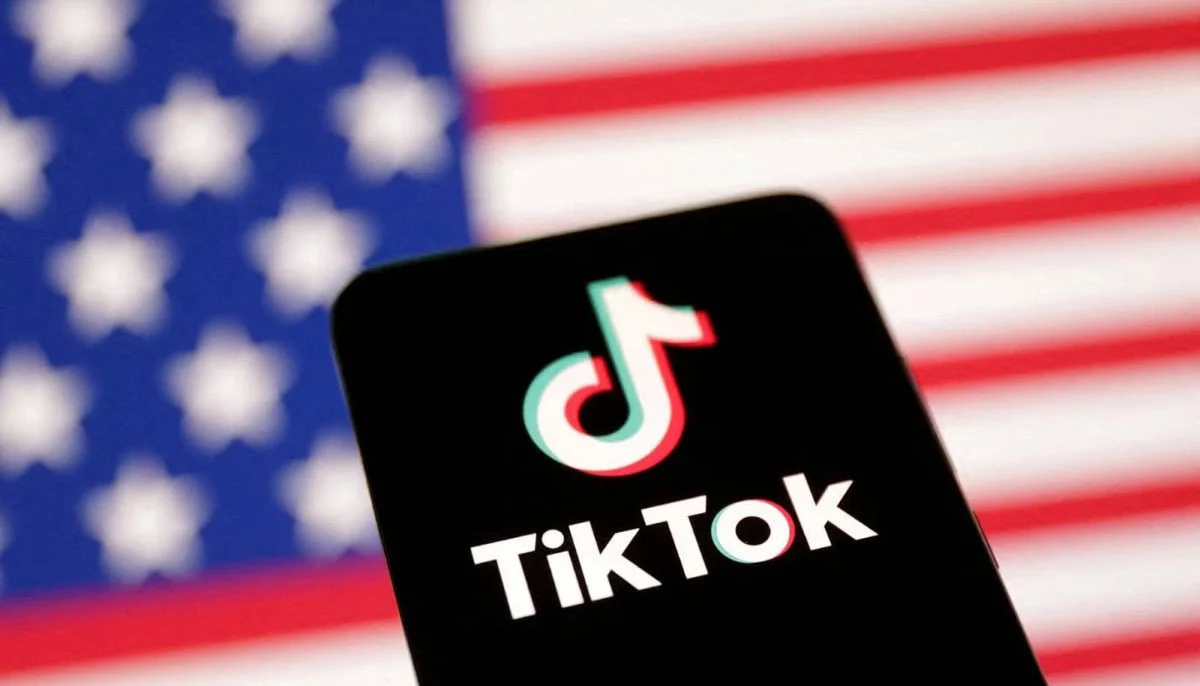
TikTok’s future in the United States appears to have been secured after its Chinese owner ByteDance signed binding agreements with American and international investors. The deal is designed to allow TikTok’s US operations to continue under a new ownership structure, easing national security concerns that have fueled years of political pressure in Washington.
The agreement was confirmed internally by TikTok’s chief executive Shou Zi Chew, who told employees that the arrangements create a joint venture to run the platform’s US business. If completed as planned, the deal would close on January 22, marking a decisive moment in one of the most high profile technology disputes between the United States and China.
How the new ownership structure will work
Under the terms outlined in the internal memo, half of the new joint venture will be owned by a group of American and global investors. These include Oracle, Silver Lake, and the Emirati investment firm MGX. ByteDance will retain the remaining stake, but operational control over TikTok in the US is expected to be reshaped to meet regulatory expectations.
The structure aims to address concerns about data security and foreign influence. By bringing in US based partners and establishing clear governance arrangements, TikTok hopes to demonstrate that American user data and content operations are shielded from external interference.
Years of political pressure in Washington
The deal follows years of scrutiny from US lawmakers and regulators who have argued that TikTok’s Chinese ownership poses a national security risk. Concerns have focused on the potential access of Chinese authorities to user data and the possibility of influence over content distributed to millions of Americans.
Successive administrations explored options ranging from forced divestment to an outright ban. Proposed legislation and executive actions kept TikTok’s US operations in a state of uncertainty, affecting advertisers, creators, and employees. The newly announced agreement represents the most concrete effort yet to resolve these issues without shutting the platform down.
Why the agreement matters for TikTok users
For TikTok’s more than 150 million users in the United States, the deal offers stability after years of speculation about a possible ban. Creators who rely on the platform for income and visibility have repeatedly warned that losing access would disrupt livelihoods and weaken the digital creator economy.
Advertisers and business partners also stand to benefit from clarity. Prolonged uncertainty made long term planning difficult, particularly for brands wary of investing in a platform that could face sudden restrictions. A finalized agreement could restore confidence and encourage renewed investment.
Strategic implications beyond social media
The significance of the deal extends beyond TikTok itself. It highlights how geopolitical tensions are reshaping the global technology landscape, forcing companies to adapt ownership and governance structures to operate across borders.
For the United States, the agreement offers a compromise that avoids banning a popular app while asserting stronger oversight. For ByteDance, it allows continued access to a critical market without a complete exit. For global investors, it underscores the growing role of capital as a bridge between political and regulatory divides.
Remaining questions and next steps
While the agreement is binding, final approval will depend on regulatory and legal processes. US authorities will closely examine whether the proposed structure genuinely mitigates security risks. Any delay or objection could still complicate the path forward.
There are also broader questions about precedent. Other foreign owned technology firms may face similar demands as governments seek greater control over data and digital platforms.
A milestone in a wider tech realignment
If the deal closes as scheduled, it will mark the end of a prolonged chapter of uncertainty for TikTok in the United States. More broadly, it reflects a new reality in which global technology companies must navigate political scrutiny alongside commercial growth.
The agreement shows that compromise remains possible, even amid heightened geopolitical tension. For TikTok, its users, and the wider tech industry, the outcome could shape how cross border digital businesses operate for years to come.