Latest News
Israel Extends Law Allowing Government to Shut Down Foreign Broadcasters

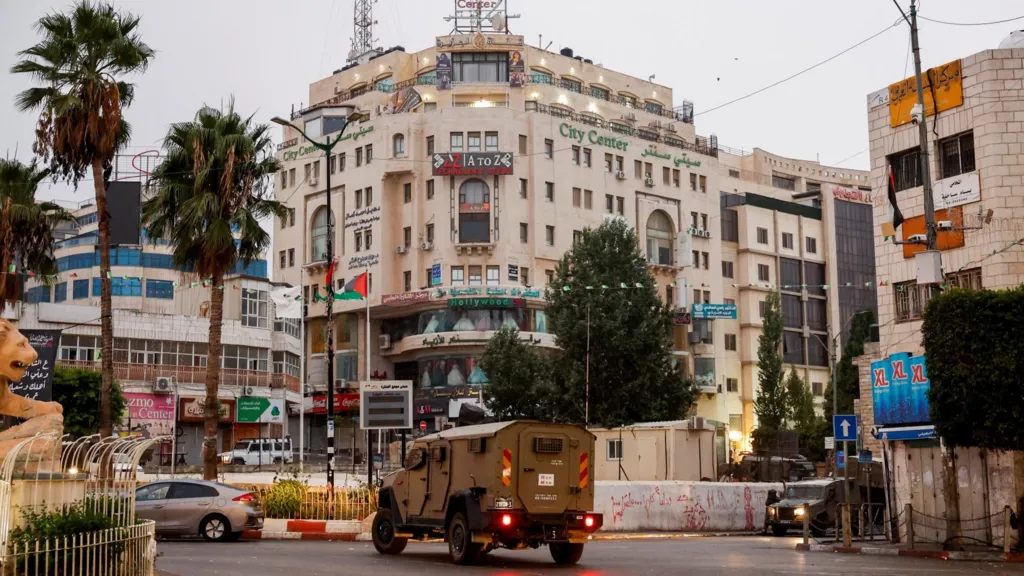
Israel has extended legislation that gives the government broad authority to close foreign media organisations operating inside the country, a move that has intensified debate over press freedom and national security during and beyond wartime.
The measure was approved by Israel’s parliament, the Knesset, by a vote of 22 to 10. The extension significantly expands temporary emergency powers that were first introduced during the war in Gaza. Under the revised order, the government can now shut down foreign broadcasters for the next two years even during peacetime and without seeking approval from a court.
The legislation allows authorities to halt broadcasts, close offices, confiscate equipment, and block access to content if a foreign outlet is deemed to pose a threat to national security. Supporters of the law argue that it provides necessary tools to counter hostile propaganda and foreign influence, particularly during periods of heightened conflict.
Critics, however, say the move undermines democratic norms and weakens protections for independent journalism. Media advocacy groups and opposition lawmakers have warned that removing judicial oversight creates the risk of political abuse and censorship. They argue that vague definitions of security threats could be used to silence reporting that is critical of the government.
The powers were originally introduced in 2024 and became widely known as the Al Jazeera Law after being used to shut down operations of the Qatari owned broadcaster Al Jazeera in Israel. In May of that year, Israeli authorities closed the channel’s offices, blocked its broadcasts, and restricted access to its digital platforms, citing security concerns related to coverage of the Gaza conflict.
Government officials have defended the decision, saying that some foreign outlets have acted in ways that harm Israel’s security interests. They argue that the media landscape has become a battlefield of information warfare, where broadcasts can influence public opinion, morale, and operational safety.
Opposition figures have countered that Israel already has laws to address incitement and security risks, and that extending emergency powers into peacetime represents a dangerous precedent. They say the legislation could discourage foreign journalists from operating in Israel and reduce transparency at a time when international scrutiny is intense.
Legal experts have also raised concerns about the absence of judicial review. By allowing the executive branch to act unilaterally, the law departs from established checks and balances that traditionally limit government power over the press.
The extension comes as Israel continues to face international criticism over its conduct in Gaza and its treatment of journalists. Several foreign media organisations have expressed concern that the law could be applied more broadly in the future, affecting outlets beyond those already targeted.
Government ministers supporting the extension say the law is narrowly focused and will be used only in exceptional cases. They insist that freedom of expression remains protected and that the measure is designed to address specific security challenges rather than suppress legitimate reporting.
As the law takes effect, attention will turn to how frequently it is used and whether additional foreign broadcasters are affected. The debate reflects a wider global tension between national security and media freedom, particularly during prolonged conflicts where information itself becomes a strategic asset.