
Latest News
Pakistan Signs $4 Billion Weapons Deal with Libyan National Army

Overview of the Deal
Pakistan has finalized a major weapons sale to Libya, valued at over $4 billion, officials confirmed. The deal, spanning two-and-a-half years, marks one of Pakistan’s largest-ever defense exports. It comes amid a backdrop of regional competition in North Africa and heightened global scrutiny of arms transfers.
The agreement was concluded following a meeting between Pakistan’s Army Chief Field Marshal Asim Munir and Libyan National Army (LNA) deputy commander Saddam Khalifa Haftar in Benghazi, eastern Libya. The deal reportedly includes JF-17 fighter jets, armored vehicles, and other military equipment produced by Pakistan’s defense industry.
Pakistan’s Defense Industry and Export Growth
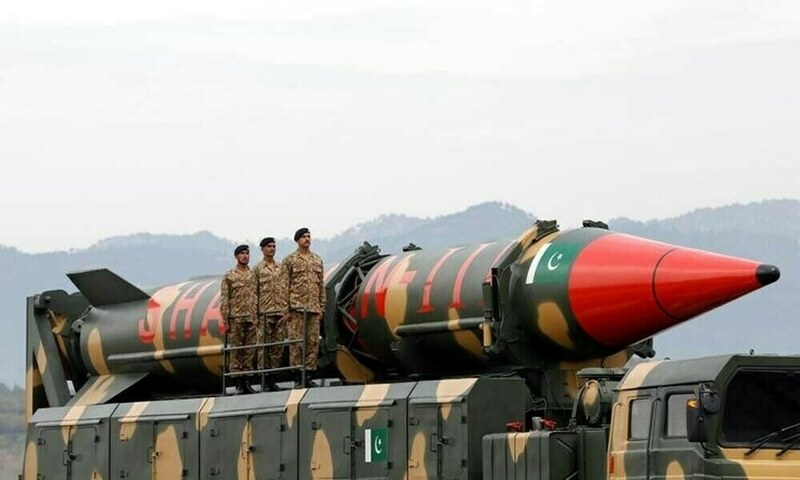
Pakistan’s defense sector has grown significantly in recent years, producing aircraft, armored vehicles, naval vessels, and missiles. The JF-17 fighter jet, a joint venture with China, is a key export product and a symbol of Pakistan’s expanding aerospace capabilities.
Officials say that expanding exports is a strategic goal for Pakistan, allowing the country to increase its influence in global defense markets while generating revenue to modernize its own armed forces. The sale to Libya is also part of Pakistan’s broader effort to strengthen ties with Middle Eastern and North African militaries, a region of increasing geopolitical importance.
Challenges of the UN Arms Embargo
Libya remains under a UN arms embargo, imposed to reduce the risk of escalating conflict in the fractured country. This embargo complicates military procurement for the LNA, forcing them to rely on external partners for critical equipment.
Despite the embargo, the sale indicates that both Pakistan and the LNA are seeking ways to navigate international restrictions. Analysts note that these transactions could draw criticism from the international community, given ongoing concerns about the conflict in Libya and its impact on civilian populations.
Regional Implications
The $4 billion deal underscores Pakistan’s intention to expand its regional influence through defense exports. Libya, divided between the internationally recognized government in Tripoli and the LNA in the east, has been a focal point of geopolitical competition, with multiple countries backing different factions.
By supplying advanced equipment, Pakistan positions itself as a key strategic partner for the LNA, potentially reshaping the balance of power within Libya. Regional powers, including Egypt, Turkey, and the UAE, are likely to monitor the deal closely, as it may affect military dynamics in North Africa.
Strategic and Economic Significance
For Pakistan, this agreement is both a financial boon and a geopolitical statement. The $4 billion deal could boost Pakistan’s defense revenues, which are vital for sustaining its domestic arms industry and funding modernization programs.
The sale also signals Pakistan’s confidence in its defense manufacturing capabilities, showcasing its ability to produce and export high-tech military hardware. The JF-17 jets, armored vehicles, and other equipment demonstrate the country’s growing technological sophistication and readiness to compete in international arms markets.
Conclusion
Pakistan’s weapons sale to the Libyan National Army highlights the country’s emerging role as a major defense exporter. Despite challenges posed by the UN arms embargo and the complex political situation in Libya, the deal demonstrates Pakistan’s strategic ambition and growing influence in global defense markets.
As regional powers observe the implications of this transaction, the deal also raises questions about arms proliferation, compliance with international law, and the balance of power in North Africa. Moving forward, analysts will watch closely how this deal affects Libya’s military capabilities and the broader geopolitical landscape.



