Business
Will Technology Replace Tradition at Bakeries and Biscuit Makers?

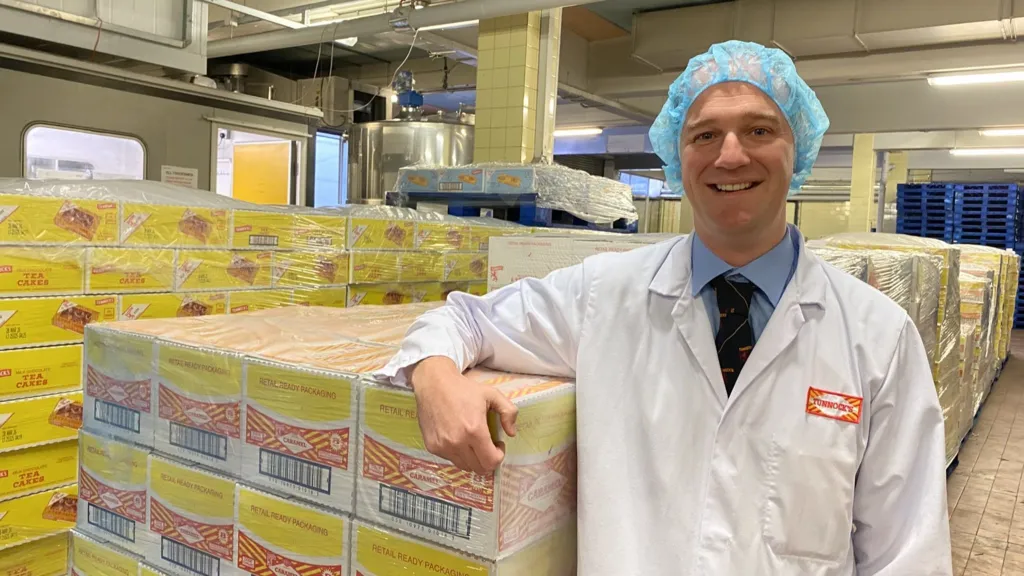
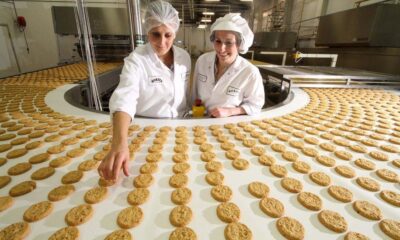
At Thomas Tunnock’s factory near Glasgow, streams of hot caramel flow along conveyor belts, filling the building with the sweet aroma of freshly made wafers. While machinery handles much of the production, some processes still rely on the skill and experience of workers.
Spreading caramel onto wafers, for instance, remains a delicate task. Teams of workers manually test the consistency and layer the caramel, ensuring each biscuit meets the brand’s high standards. “Operators do a lot of caramel testing just on sight and feel,” says Stuart Louden, the company’s engineering and transport manager and a fifth-generation member of the Tunnock family. “They basically walk up to the caramel and give it a squeeze.”
Despite advances in automation, certain steps—like layering sticky caramel evenly, still require human intuition and experience. Tunnock’s produces roughly 20 tonnes of caramel a day, highlighting the scale of production while maintaining artisanal attention to detail.
Across the food industry, manufacturers are increasingly exploring robotics and automated packaging to improve efficiency. Tunnock’s has introduced robotic packaging in recent years, but hands-on work continues to play a vital role in quality control. The question for many bakeries and biscuit makers is how to balance tradition and modern technologymaintaining craftsmanship while meeting growing demand.
Industry experts note that automation can increase output and reduce costs, but brands with strong heritage often rely on human expertise to preserve flavour, texture, and reputation. For companies like Tunnock’s, the sweet spot may lie in combining innovation with skilled hands.