Business
Uber and Lyft Plan UK Trials of Chinese Robotaxis from 2026

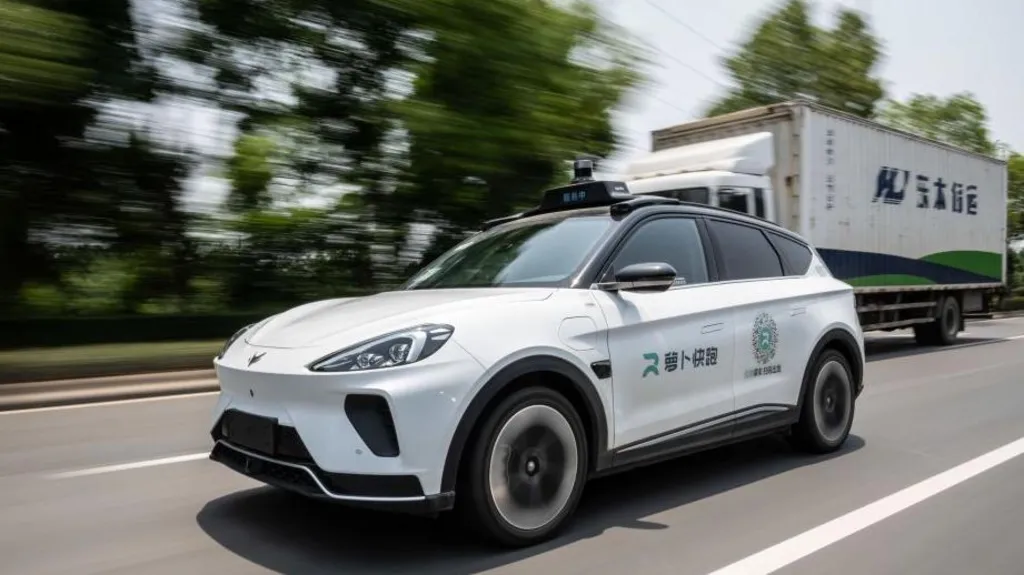
Ride-hailing companies Uber and Lyft have announced plans to trial Chinese-made autonomous taxis in the UK as early as 2026, marking a significant step toward the introduction of self-driving vehicles on British roads.
Both firms have entered partnerships with Chinese technology giant Baidu, which operates its driverless taxi service, Apollo Go. The companies aim to secure regulatory approval to begin testing the vehicles in London, initially on a trial basis.
Baidu’s Apollo Go robotaxis are already operating in dozens of cities, mainly across China, as well as in Hong Kong and Dubai. The service has reportedly completed millions of journeys without a human driver, positioning Baidu as one of the most advanced players in autonomous transport.
Supporters say the trials could improve road safety, reduce congestion, and increase transport efficiency. UK Transport Secretary Heidi Alexander welcomed the announcement, describing it as “another vote of confidence” in the government’s plans to support self-driving technology.
However, the proposal has also raised concerns. Critics remain cautious about the safety of autonomous vehicles, particularly in complex urban environments like London, where traffic conditions, pedestrians, and cyclists present significant challenges.
Before any trial can begin, the robotaxis must meet strict UK safety and legal standards. Regulators will assess how the vehicles respond to real-world conditions and how responsibility is managed in the event of an accident.
If approved, the trials could place the UK among a growing number of countries testing autonomous transport, potentially reshaping the future of urban mobility.