Business
A Step-by-Step Guide to Developing a Mobile-First Casino Software Solution

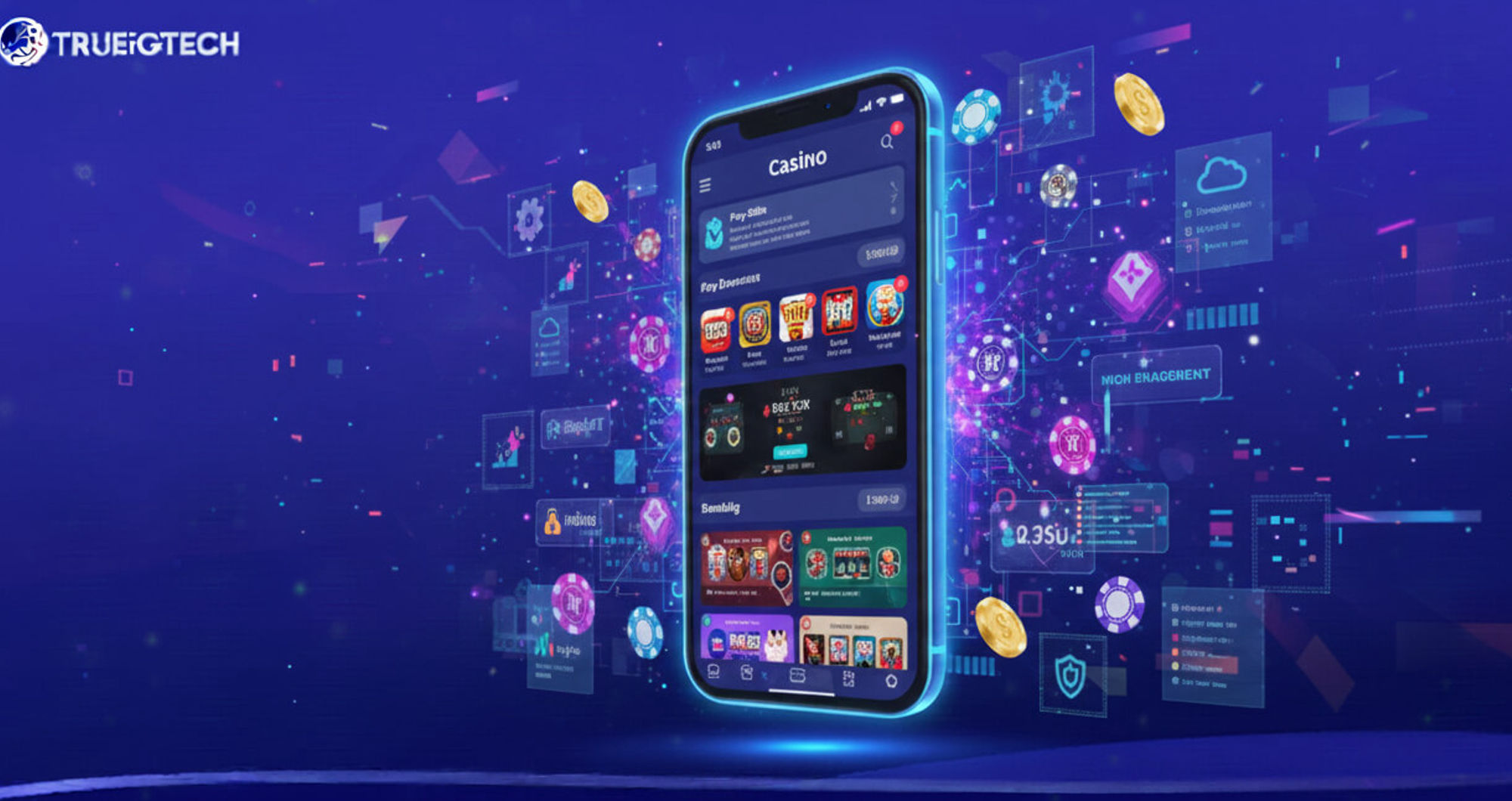
The demand for mobile-first casino platforms has grown rapidly as players increasingly prefer gaming on smartphones and tablets. Developing a successful mobile-first casino software solution requires careful planning, a user-focused design, and compliance with regulatory standards. Here’s a structured approach to building such a platform.
1. Define Your Objectives and Target Audience
Before development, identify the types of games you want to offer—slots, poker, roulette, or live dealer games. Understand your target audience, their preferences, and the devices they use most frequently. This research will inform both design and functionality decisions.
2. Choose the Right Technology Stack
Mobile-first casino software requires responsive design and high-performance back-end systems. Popular choices include:
- Front-end: React Native, Flutter, or native iOS/Android development.
- Back-end: Node.js, Java, or .NET for server-side processing and game logic.
- Database: PostgreSQL, MongoDB, or MySQL for secure and scalable data storage.
3. Focus on User Experience (UX) and Interface (UI)
A mobile-first approach means designing interfaces that are intuitive on smaller screens. Controls should be easy to tap, loading times must be minimal, and animations smooth. Accessibility features such as adjustable font sizes or dark mode can enhance the player experience.
4. Integrate Secure Payment Systems
Casino software must handle real-money transactions safely. Integrate popular payment gateways, including credit/debit cards, e-wallets, and crypto options. Ensure compliance with PCI DSS and other financial security regulations.
5. Implement Random Number Generators (RNG) and Game Logic
Fairness is critical in online casinos. RNG systems must be certified and tested by regulatory authorities to ensure unbiased outcomes. Game logic should be seamless, fast, and compatible with mobile devices.
6. Regulatory Compliance
Check local gambling laws and obtain the necessary licenses. Compliance with KYC (Know Your Customer), AML (Anti-Money Laundering), and responsible gambling practices is mandatory for legal operation.
7. Test Thoroughly and Optimize for Mobile
Conduct extensive QA testing for performance, security, and compatibility across different devices and OS versions. Optimize load times, graphics, and network usage to ensure a smooth gaming experience.
8. Launch, Monitor, and Update
After deployment, track user behavior, performance metrics, and security logs. Regular updates, bug fixes, and the introduction of new games help maintain engagement and ensure the platform remains competitive.
Developing a mobile-first casino solution requires technical expertise, regulatory knowledge, and a deep understanding of player preferences. By prioritizing performance, security, and user experience, developers can create a platform that stands out in the growing mobile gaming market.