
Latest News
Police Make First Arrests Under New Enforcement Strategy at Public Protests

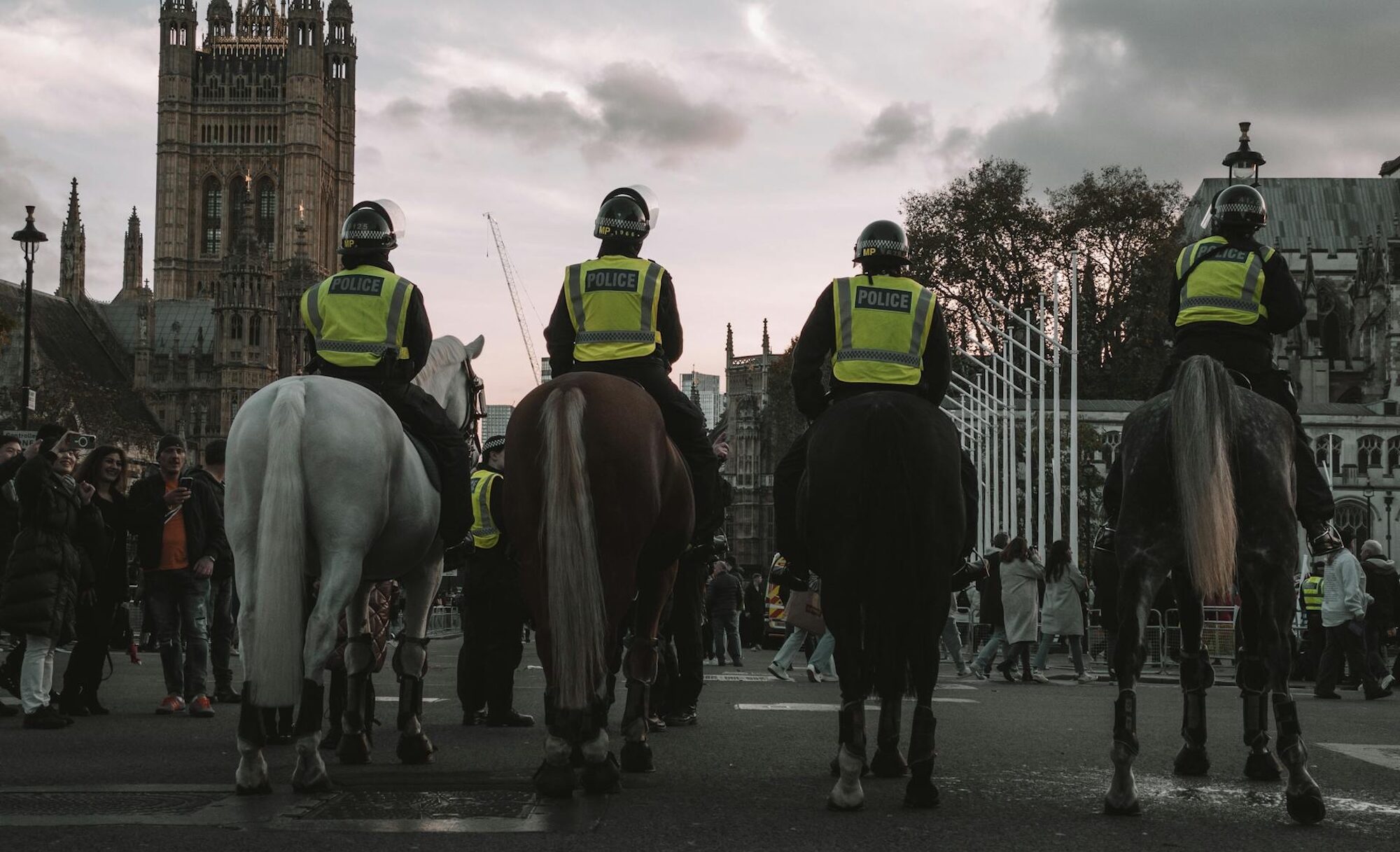
Police have made the first arrests under a newly introduced enforcement strategy aimed at managing public protests, marking a shift in how demonstrations are being handled across the country. The move follows recent announcements by law enforcement agencies signaling a firmer stance against unlawful or disruptive protest tactics.
Authorities confirmed that a number of individuals were detained during a protest that took place earlier this week, in what officials described as a test case for the updated operational framework. The arrests were made in response to activities deemed to obstruct public order, including blocking roads and refusing lawful orders to disperse.
Law enforcement officials stated that while the right to protest remains protected, the new strategy is focused on preventing tactics that significantly impact public services, infrastructure, and safety. “We continue to uphold the right to peaceful assembly,” said a senior police spokesperson, “but there is a clear line between peaceful protest and actions that cause unacceptable disruption.”
The arrests are expected to spark legal and political debates over the balance between public order and civil liberties. Civil rights organizations have already raised concerns that the new enforcement model could deter lawful protest and restrict freedom of expression, particularly for grassroots movements.
However, government officials have backed the police response, citing growing public frustration over protest-related disruptions, particularly those targeting transportation hubs, city centres, and critical services. Supporters argue that the approach is necessary to maintain operational continuity and protect bystanders from prolonged inconvenience or safety risks.
As more protests are anticipated in the coming weeks, both demonstrators and authorities are preparing for heightened tensions. Legal observers will also be watching closely to see how courts interpret the new enforcement powers, and whether any challenges are brought on constitutional or human rights grounds.



