
Entertainment
Reflections on John Lennon: My Conversations with Sean Ono Lennon

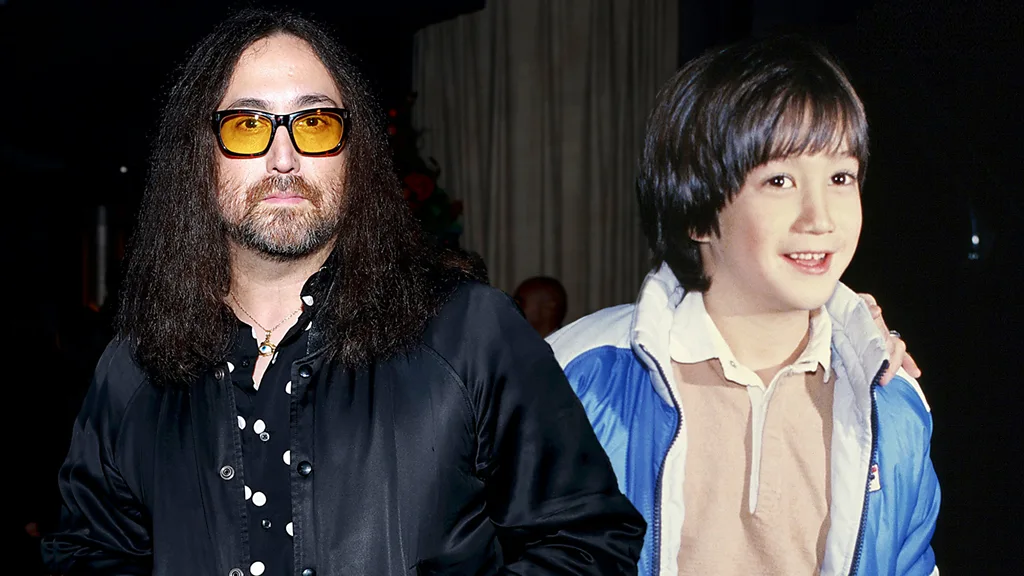
Forty-five years after the shocking murder of John Lennon, his son Sean Ono Lennon reflects on his parents’ legacy and the enduring message of peace they championed. Tom Brook, who first reported on Lennon’s death for the BBC, reconnects with Sean in a series of conversations exploring the personal and cultural impact of that night in December 1980.
On 8 December 1980, Tom Brook recalls being alerted to reports of gunshots outside The Dakota apartment building in New York City, the home of John Lennon and Yoko Ono. “I wasted no time,” Brook writes. “I gathered my tape recorder, microphone, notepad, and portable radio and ran to 8th Avenue to hail a cab uptown.” As he sped toward the scene, radio reports confirmed the worst: Lennon had been shot and taken to Roosevelt Hospital. By 23:15, he was pronounced dead at the age of 40.
For Brook, then in his mid-20s and newly arrived in New York, reporting the story was a professional challenge intertwined with personal grief. “I really felt the loss, but it was by pure chance that I ended up being the voice on BBC News that brought word of Lennon’s slaying to an early morning UK audience,” he recalls. The moment marked a defining point in his early journalism career, giving him a front-row seat to one of the most shocking events in music history.
In conversations with Sean Ono Lennon, the younger Lennon reflects on the complex legacy of his father. While John Lennon is remembered as a cultural icon and peace advocate, Sean shares how his parents’ work influenced his own life and art. He emphasizes that their message of love, compassion, and activism remains relevant today. “Peace is not just an abstract idea,” he says. “It’s something we carry forward in our daily lives, in the way we create and the way we treat others.”
Brook’s interviews with Sean also explore the emotional weight of living in the shadow of such a globally significant figure. Sean acknowledges both the privilege and the burden of his heritage, noting how his father’s influence shaped his understanding of music, activism, and personal responsibility. Yet, he also stresses the importance of forging his own path while honoring the lessons of his parents.
Looking back, Brook describes the reporting of Lennon’s death as both a professional milestone and a deeply human experience, highlighting the intersection of public tragedy and private grief. The conversations with Sean offer a poignant reminder that even decades after the event, John Lennon’s life and message continue to resonate, inspiring new generations to “give peace a chance.”
Through these reflections, audiences gain insight not only into the historical moment of Lennon’s death but also into the ongoing legacy of his ideals, carried forward by his son and those who remember the profound impact of his life.



