
Latest News
The Motorcyclist Fighting a Deadly Disease in the African Bush

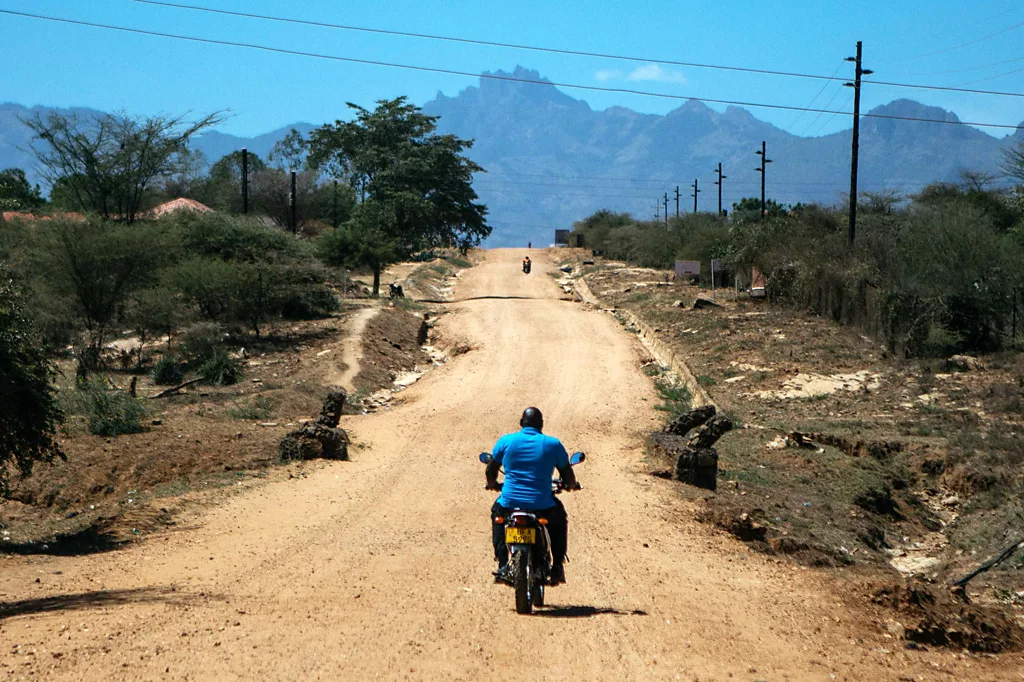
A Survivor on a Mission
Andrew Ochieng, a motorcyclist navigating the remote landscapes along the Kenya-Uganda border, is on a unique mission: to combat visceral leishmaniasis, a deadly parasitic disease also known locally as Kala-azar. Ochieng is no stranger to the illness—he survived it as a child, enduring weeks of fever and severe illness that left a lasting impression.
Riding to Save Lives
Armed with medical testing kits and years of experience, Ochieng travels vast rural areas on his motorbike, reaching communities that are otherwise inaccessible to healthcare workers. His mobility allows him to detect, test, and treat cases early, providing a lifeline to people in regions where the disease is often overlooked and poorly understood.
Visceral Leishmaniasis: A Hidden Threat
Visceral leishmaniasis is caused by a parasite transmitted by sandflies. Symptoms include prolonged fever, weight loss, and organ damage, and without treatment, it can be fatal. Despite its severity, awareness of the disease remains low, and resources for diagnosis and treatment are limited in affected rural areas. Ochieng’s work directly addresses this gap, bringing life-saving care to vulnerable populations.
Dedication Born from Experience
Ochieng’s personal history with the disease fuels his dedication. “I felt so sick,” he recalls, likening the fever to being “run over by an 18-wheeler.” Now, decades later, he channels that experience into helping others, using his knowledge and mobility to reach patients who might otherwise go untreated.
Impact on Communities
Through his efforts, Ochieng not only diagnoses and treats patients but also raises awareness about the disease, educating local communities on prevention and early detection. His work exemplifies how determination, local knowledge, and mobility can overcome healthcare barriers in remote regions.



