News
Trump Broadens US Travel Ban to Include Five More Countries and Palestinian Documents

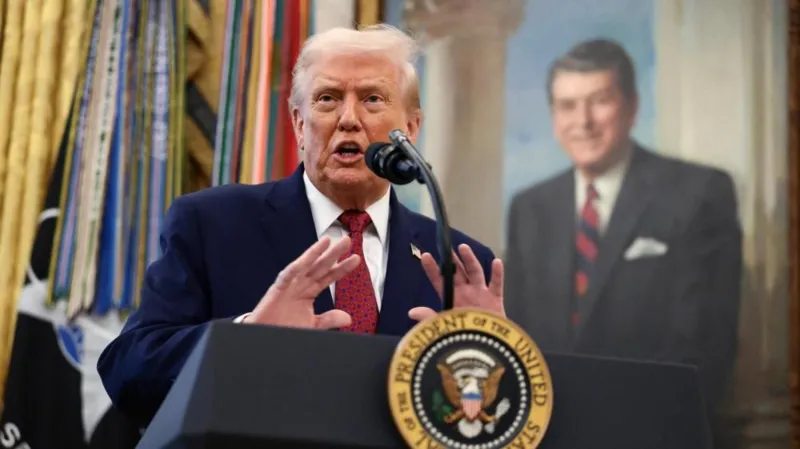
President Donald Trump has announced a significant expansion of the United States travel ban, adding five more countries to the list of nations whose citizens are barred from entering the country and extending restrictions to people travelling on documents issued by the Palestinian Authority.
The White House said the new measures are aimed at protecting national security and will take effect on January 1. Under the updated order, full entry bans will apply to nationals of Burkina Faso, Mali, Niger, South Sudan, and Syria. In addition, individuals holding Palestinian Authority issued travel documents will also be prohibited from entering the United States.
US officials said the decision was based on security assessments that identified what they described as insufficient vetting systems and heightened risks associated with the newly added countries. The administration has argued that travel restrictions are a necessary tool to prevent potential threats and ensure stronger border controls, particularly amid ongoing global instability.
The latest move also tightens restrictions on countries that were already subject to partial limits. Laos and Sierra Leone have now been moved to the full ban category, meaning most of their citizens will no longer be eligible to enter the US under standard visas. At the same time, partial restrictions have been imposed on 15 additional countries, including Nigeria, Tanzania, and Zimbabwe, affecting certain visa categories and lengthening screening processes.
The expansion marks one of the most sweeping changes to US travel policy since Trump returned to office, reviving memories of earlier travel bans that sparked legal challenges and widespread protests during his previous presidency. Supporters of the policy say it reflects a firm stance on border security and immigration control, while critics argue it unfairly targets specific regions and communities.
Human rights groups have condemned the decision, warning that it could separate families, restrict educational and professional opportunities, and stigmatise people based on nationality rather than individual circumstances. Advocacy organisations have also raised concerns about the inclusion of Palestinian Authority document holders, saying it could further complicate travel for Palestinians who already face significant mobility restrictions.
Several governments affected by the new bans have yet to issue official responses, though past measures of this kind have drawn strong diplomatic protests. Analysts say the expanded list could strain US relations with parts of Africa and the Middle East, particularly as Washington seeks cooperation on security, migration, and development issues.
Within the United States, the announcement has reignited debate over immigration policy and executive power. Some lawmakers have praised the administration for prioritising security, while others have called for congressional oversight and clearer evidence to justify the sweeping restrictions. Legal experts note that challenges to the ban are likely, especially if it is seen as discriminatory or overly broad.
The White House has defended the policy as flexible and subject to review, saying countries could be removed from the list if they improve information sharing and security procedures. Officials insist the ban is not permanent and is intended to encourage stronger cooperation with US authorities.
As the January implementation date approaches, airlines, universities, and employers are preparing for disruptions, while affected individuals face uncertainty about travel plans and future opportunities. The expanded ban underscores how immigration remains one of the most divisive and politically charged issues in US policy, with far reaching consequences both at home and abroad.