News
Starmer Warns Doctors Strike Risks Patient Safety as Five Day Walkout Begins Across England

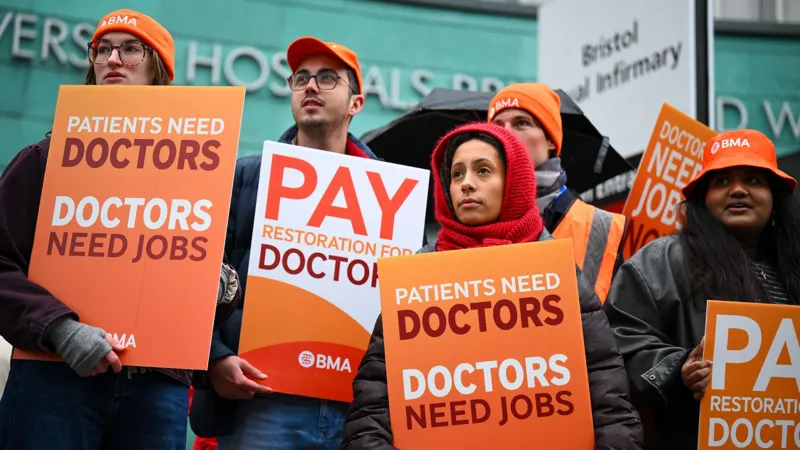
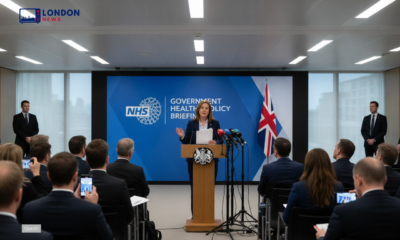
Prime Minister Keir Starmer has described a new five day strike by doctors in England as dangerous and deeply irresponsible, as thousands of resident doctors began walking out of hospitals and clinics on Wednesday morning, escalating a long running dispute over pay and working conditions in the National Health Service.
The walkout began at 7am and marks the fourteenth strike by resident doctors, the term now used for what were previously known as junior doctors. They make up nearly half of the NHS medical workforce and their absence is expected to put severe pressure on hospitals already struggling with high demand caused by flu and other winter illnesses.
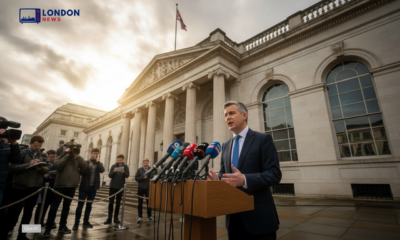
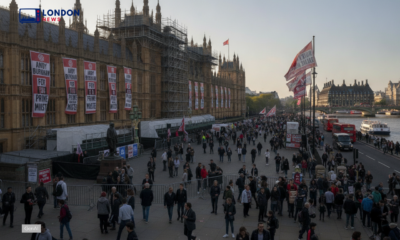
Speaking in Parliament, Starmer urged doctors not to turn their backs on patients and called on them to work with the government to rebuild the health service. He acknowledged that conditions in the NHS were difficult but warned that abandoning care during a period of intense seasonal pressure could put lives at risk.
The British Medical Association, which represents resident doctors, said the strike reflects years of frustration over pay that has failed to keep pace with inflation. The union is calling for a credible long term plan to restore earnings and address what it describes as a jobs and training crisis within the NHS. It is also demanding the creation of new specialist training posts, arguing that recycling existing places blocks career progression for many qualified doctors.
NHS leaders have warned that keeping services running will be extremely challenging during the strike. While emergency care is expected to continue, hospitals have said some planned operations and appointments may be cancelled or delayed as senior doctors are redeployed to cover gaps.
The BMA has insisted that patient safety remains a priority and said it is working with NHS managers to reduce risks. However, it argues that unsafe staffing levels and overstretched doctors are already harming patients on a daily basis, even when strikes are not taking place.
At a London hospital picket line, resident doctor leader Dr Jack Fletcher said the strike was a last resort after repeated failures to reach a meaningful agreement. He said doctors are facing ongoing real term pay cuts and worsening working conditions, making it harder for the NHS to retain staff. Fletcher rejected claims that the strike showed disregard for patients, saying doctors did not train to deliver care in corridors or under crisis conditions.
The dispute has also sparked political debate. Conservative leader Kemi Badenoch accused Starmer of losing control of trade unions and claimed he lacked the resolve to take tougher action against strikes in essential services. Her comments highlight the growing political sensitivity around industrial action in the public sector.
Last minute talks between the government and the BMA broke down on Tuesday without a deal. Although both sides described the discussions as constructive, they failed to make enough progress to halt the strike.
As the walkout continues, patients across England face uncertainty over appointments and treatment, while the government and doctors remain locked in a standoff that shows little sign of immediate resolution. The outcome is likely to shape the future of NHS workforce relations and public confidence in the health system.