Fashion
A Fashion Industry Caught Between Image and Reality

UK fashion retail is undergoing a profound transformation as the glamour of London runways collides with the practical realities of online shopping and rising return rates. While designers continue to set global trends through fashion weeks and digital showcases, the commercial side of the industry is being reshaped by how consumers actually buy clothes. The gap between aspiration and transaction has never been wider, forcing retailers to rethink everything from design cycles to logistics.
Runway Influence in a Digital Age
London’s fashion scene remains an important source of creativity and brand identity. Runway shows still influence colours, silhouettes, and storytelling across the industry. However, trends that once filtered slowly from catwalks to stores now reach consumers instantly through social media. Shoppers no longer wait for seasonal collections to arrive in shops. Instead, they expect immediate access to styles they see online, creating pressure on retailers to shorten production timelines and respond faster than traditional models allow.
Online Shopping Becomes the Default
For many UK consumers, online shopping is no longer an alternative to the high street but the primary way they buy clothes. Ease of access, wider choice, and constant promotions have shifted behaviour decisively. Retailers now design collections with digital presentation in mind, prioritising how garments photograph and perform on screens rather than how they look on rails. This shift has elevated e commerce from a sales channel to the core of fashion retail strategy.
The Return Culture Problem
One of the most disruptive consequences of online fashion growth has been the explosion of returns. Shoppers routinely order multiple sizes or styles with the intention of sending most of them back. Inconsistent sizing across brands and poor fit prediction tools have normalised this behaviour. Returns create significant costs for retailers, from transport and processing to unsellable stock, and have become one of the biggest structural challenges facing the industry.
Logistics Shape Fashion Decisions
The rise of online returns has pushed logistics to the centre of fashion retail. Warehouses, delivery networks, and reverse supply chains now influence profitability as much as design and marketing. Some retailers are quietly redesigning collections to reduce return rates, choosing stretch fabrics or forgiving fits that accommodate more body types. Others are experimenting with digital sizing tools, data analysis, and stricter return policies to regain control.
Sustainability Moves From Marketing to Pressure
As awareness of fashion’s environmental impact grows, the volume of returns has drawn increasing scrutiny. Transport emissions, packaging waste, and discarded clothing conflict with sustainability promises made by many brands. Consumers are becoming more critical of fast fashion cycles that encourage overordering. Retailers now face pressure to balance convenience with responsibility, knowing that sustainability claims are closely examined rather than passively accepted.
High Street Stores Take on New Roles
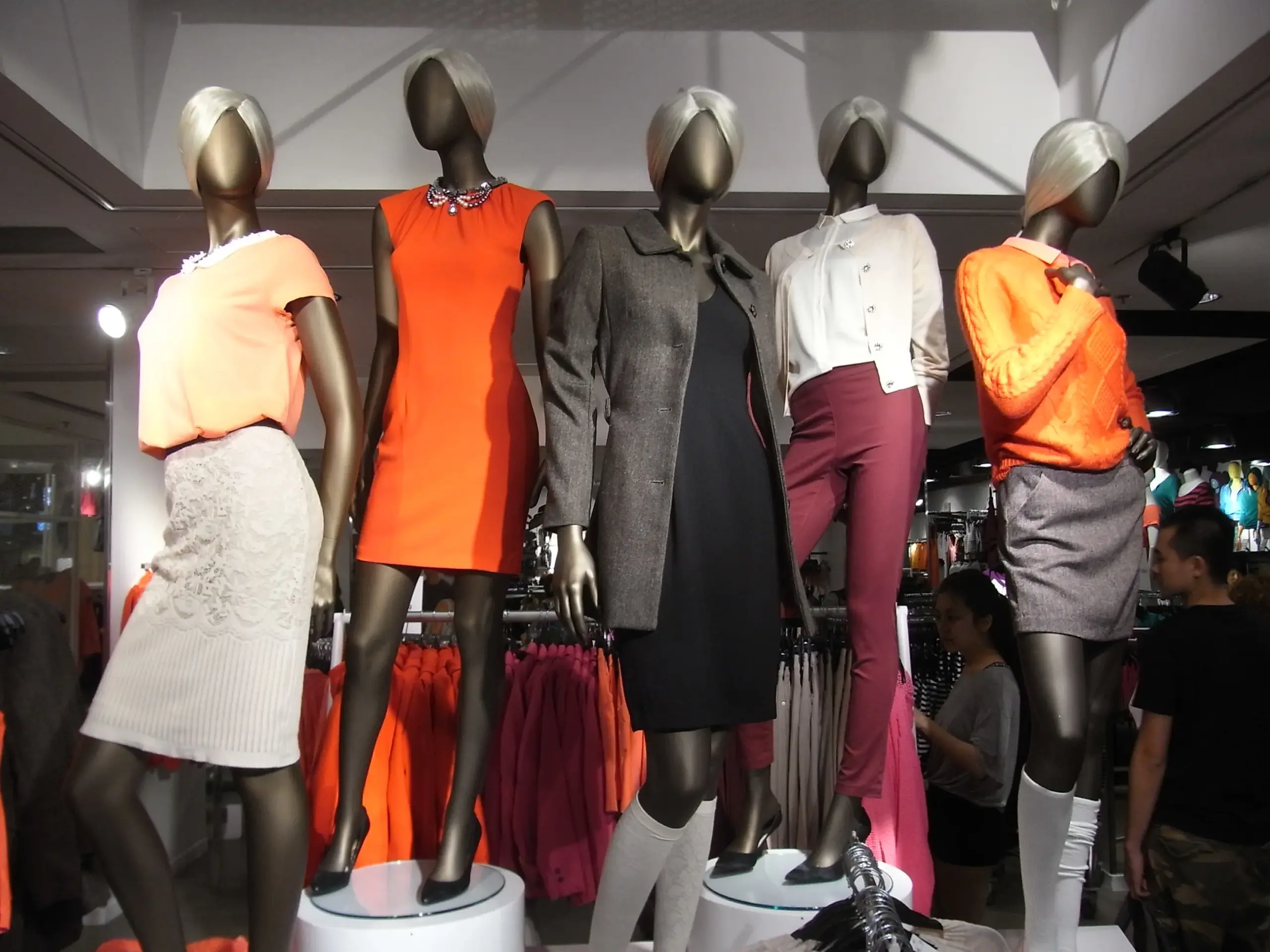
Physical stores are no longer expected to carry the full burden of sales. Instead, they are evolving into hybrid spaces that support online retail. Click and collect services, returns processing, and in store digital browsing are becoming standard. Some stores function as brand showrooms rather than stock heavy outlets, reflecting the reality that many purchases now happen after a shopper leaves the shop.
Data Drives Design and Stock
Retailers increasingly rely on data from online behaviour to shape future collections. Click rates, return reasons, and customer reviews influence what gets restocked or discontinued. This feedback loop is faster and more precise than traditional sales data, allowing brands to adjust quickly. However, it also risks narrowing creativity if design decisions become overly driven by short term performance metrics.
A Retail Model Being Rewritten
UK fashion retail is no longer defined solely by catwalk creativity or shop floor experience. It is being reshaped by delivery vans, return labels, and algorithms that track consumer behaviour. The brands that succeed will be those that connect inspiration with practicality, combining design credibility with operational discipline.
Fashion After the Transformation
From London runways to online returns, the UK fashion industry is learning that visibility does not guarantee viability. As consumer habits continue to evolve, retailers must adapt to a landscape where convenience, fit, and responsibility matter as much as style. The future of fashion retail will belong to those who understand that selling clothes now requires mastering both aesthetics and systems.