Fashion
Why Britain’s High Street Fashion Is Struggling to Keep Up With Changing Consumer Habits

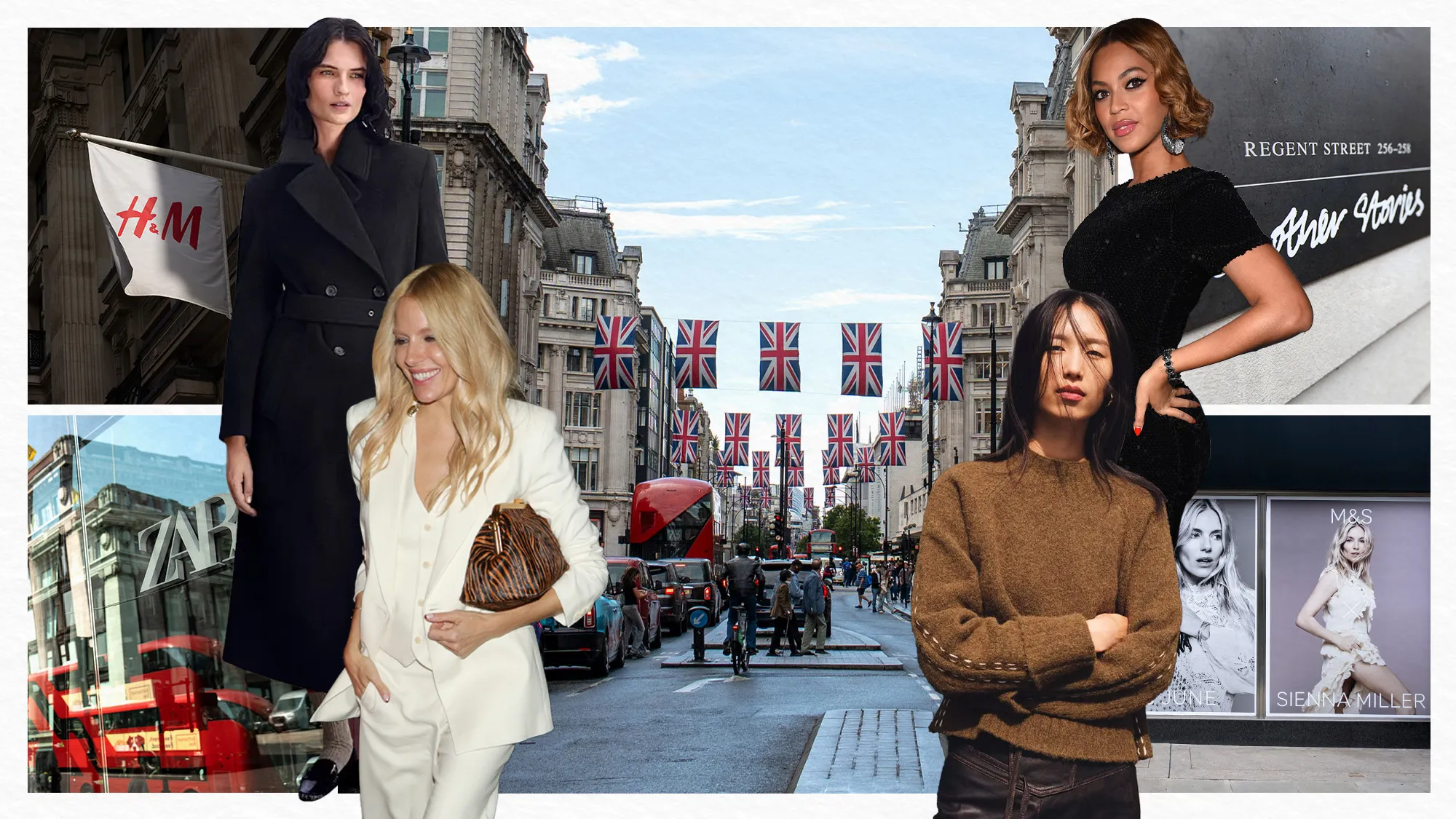
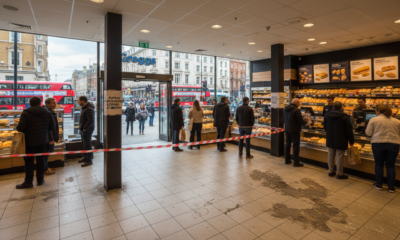
Britain’s high street fashion sector is under growing pressure as consumer habits shift faster than many traditional retailers can adapt. Once defined by busy weekends, seasonal sales, and loyal local customers, high streets are now competing with online platforms, social media trends, and changing expectations around value, speed, and sustainability. For many shoppers, the way they discover, buy, and return clothes has fundamentally changed.
Online Shopping Redefines Convenience
The rise of online fashion has reshaped what consumers consider normal. Shoppers now expect wide choice, instant availability, and easy returns, often without leaving their homes. High street stores struggle to match the convenience of next day delivery, size availability, and algorithm driven recommendations. While physical shops offer the advantage of touch and fitting rooms, many customers no longer see that as enough to justify travel, parking costs, or limited opening hours.
Inconsistent Sizing Erodes Trust
One of the biggest frustrations driving consumers away from the high street is inconsistent sizing. A single shopper may fit multiple sizes across different brands, undermining confidence in in store purchases. Online shoppers often compensate by ordering several sizes and returning what does not fit. On the high street, this trial and error approach is more time consuming, leading many consumers to avoid physical stores altogether.
Rising Costs Affect Value Perception
High inflation and higher living costs have made shoppers more price sensitive. Rent, energy, and staffing expenses mean high street retailers often struggle to compete with online only brands on price. Consumers increasingly compare prices instantly on their phones, and if in store prices feel unjustified, loyalty quickly fades. This has been particularly damaging for mid range fashion brands caught between discount chains and premium labels.
Fast Trends Move Faster Than Stores
Social media platforms have accelerated fashion cycles. Trends emerge and disappear within weeks, driven by influencers and viral content. High street supply chains, designed for longer seasonal cycles, often cannot react quickly enough. By the time items reach stores, consumer attention may have already moved on. Online brands with flexible production models are better positioned to respond to these rapid shifts.
Sustainability Expectations Create Pressure
Modern consumers are more aware of environmental and ethical issues in fashion. Many want transparency around sourcing, materials, and labour practices. High street brands with legacy supply chains often struggle to clearly communicate sustainability efforts or move quickly enough to meet rising expectations. Younger shoppers in particular are more willing to switch brands if values do not align.
Experience Alone Is No Longer Enough
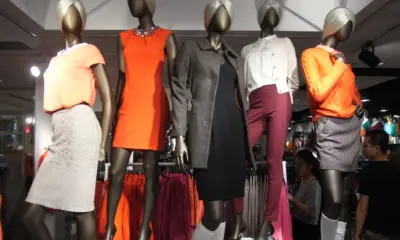
For years, retailers were told that creating an in store experience would save the high street. While attractive displays and curated spaces help, they are no longer a guaranteed draw. Shoppers now expect experiences to be seamless, useful, and integrated with digital tools. Stores that fail to connect online browsing with in store availability risk feeling outdated rather than experiential.
Location and Footfall Challenges Persist
Changes in work patterns have reduced foot traffic in many town centres. Remote and hybrid work means fewer people shop during lunch breaks or after commuting. Smaller towns have been particularly affected as chains consolidate locations and focus investment on flagship stores or digital channels. This decline creates a cycle where reduced footfall leads to closures, further weakening high street appeal.
What Adaptation Could Look Like
Survival for high street fashion may depend on embracing flexibility rather than tradition. Better size consistency, smarter inventory systems, click and collect services, and clearer value propositions could help rebuild trust. Physical stores may need to focus on service, immediacy, and local relevance rather than trying to mirror online models.
A Sector at a Crossroads
Britain’s high street fashion industry is not failing because people have stopped caring about clothes. It is struggling because consumer habits have evolved faster than many stores have responded. Whether the high street can reinvent itself will depend on how well retailers understand modern shoppers and accept that the old ways of selling fashion no longer apply.