Tech
Can Technology Solve Fashion’s Long Running Sizing Problem

Why Clothing Sizes Feel So Unreliable
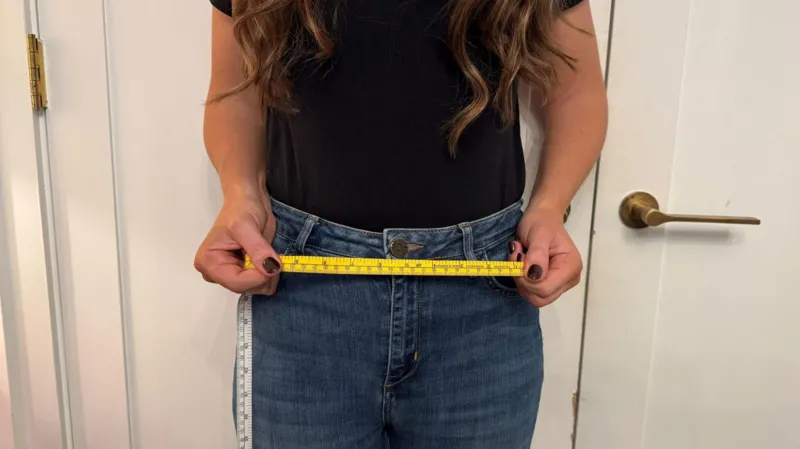
For many women, shopping for clothes has become an exercise in frustration rather than enjoyment. A pair of jeans labeled as a size 10 in one store can feel identical to a size 14 in another, leaving shoppers confused and often discouraged. This inconsistency has turned clothing sizes into little more than rough suggestions, forcing customers to rely on guesswork instead of labels. Over time, this disconnect has eroded trust in high street sizing and changed how people shop.
The Hidden Cost of Guessing the Right Size
Inconsistent sizing has consequences far beyond the fitting room. Globally, fashion retailers are estimated to lose around 190 billion pounds each year due to returns, much of it driven by sizing uncertainty. Shoppers often order several sizes of the same item online, keep the one that fits, and send the rest back. While this practice increases the chance of finding something wearable, it creates enormous logistical, financial, and environmental costs for retailers.
How Shoppers Have Adapted Their Habits
Many consumers have learned to work around unreliable sizing by changing how they buy clothes. Some focus on how an item looks rather than the size on the label. Others stick to a small number of brands they trust, even if that limits choice. On busy shopping streets in cities like London, it is common to hear shoppers say they no longer believe in standard sizes and instead rely on instinct, experience, and trial and error.
Returns Culture and Its Environmental Impact
The habit of ordering multiple sizes has become normalized, especially with free returns offered by many retailers. However, this culture of mass returns has a significant environmental footprint. Returned items often travel long distances, are repackaged, and in some cases never make it back onto shelves. The sizing crisis is therefore not just a consumer issue but also a sustainability challenge for an industry under growing pressure to reduce waste.
How Technology Is Stepping In
Fashion companies are increasingly turning to technology in an effort to address the sizing problem. Tools powered by artificial intelligence and data analytics aim to recommend the best size for individual shoppers based on body measurements, past purchases, and return behavior. Some platforms use smartphone cameras or body scanning to build a digital profile, while others analyze how garments fit different body shapes rather than relying on traditional size charts.
Limits of Digital Solutions
While these technologies show promise, they are not a complete fix. Many rely on accurate input from users, which can be difficult to achieve. Privacy concerns also arise when shoppers are asked to share detailed body data. In addition, sizing inconsistency often begins at the design and manufacturing stage, where brands use different fit models and grading systems. Technology can guide consumers, but it cannot fully compensate for lack of standardization across the industry.
Why Standardization Remains Elusive
Fashion has long resisted universal sizing standards because brands view fit as part of their identity. What one company considers a flattering cut may differ from another’s philosophy. This creative freedom makes it difficult to impose strict rules, even though consumers often call for clearer guidance. As a result, the industry continues to balance individuality against practicality.
What the Future May Look Like
The most effective solutions are likely to combine better technology with more transparency. Clearer fit descriptions, consistent measurement information, and smarter digital tools could reduce returns and rebuild consumer confidence. While technology alone may not solve fashion’s sizing crisis, it is increasingly shaping a shopping experience where fewer people have to guess, order three sizes, and hope one feels right.