News
Bondi Beach Gunman Had Roots in India but No Known Links to Radical Activity There, Police Say

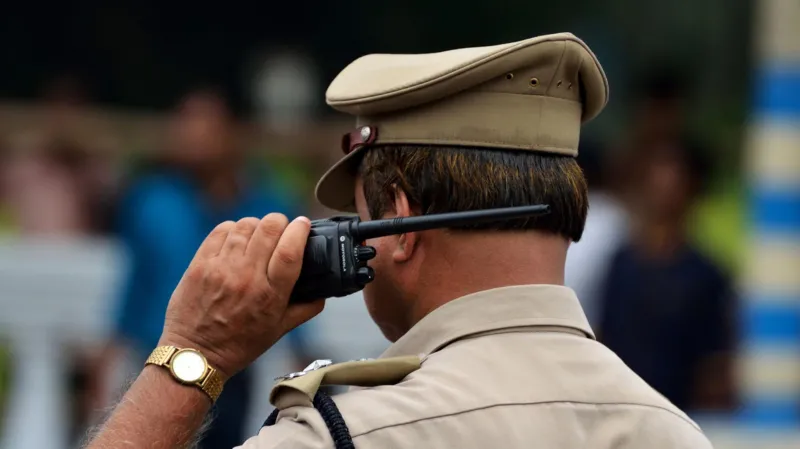
One of the men suspected of carrying out the deadly mass shooting at Bondi Beach was originally from southern India, but investigators say there is no evidence his background or time there played any role in the attack. Police and officials in India have emphasized that the suspect had minimal contact with his home country and showed no signs of radical behavior during his visits.
Sajid Akram, aged 50, was killed at the scene of the attack in Sydney on Sunday. Authorities say he and his 24 year old son, Naveed, are suspected of opening fire during an event marking the Jewish festival of Hanukkah, killing 15 people and injuring dozens more. The attack has shocked Australia and prompted investigations across borders as officials work to piece together the background of those involved.
According to a senior police official from the Indian state of Telangana, Sajid Akram was originally from Hyderabad, the state capital in southern India. He moved to Australia in 1998 in search of work and later settled permanently. Since migrating, he returned to India only six times, mostly for family related matters such as property issues and brief visits to elderly relatives.
The official said Akram’s family in Hyderabad expressed no awareness of any extremist views or activities. They told authorities they had no indication that he held radical beliefs or was involved in anything that could explain the violence in Sydney. Investigators in India have stressed that there is no evidence linking Akram’s alleged radicalization to influences or networks within India.
Police said Akram did not even return to India following the death of his father, further underlining how limited his contact with the country had become over the years. Telangana authorities confirmed that he had no criminal record in India and had completed a university degree before emigrating. He later married a woman of European origin after settling in Australia.
Officials also clarified Akram’s citizenship status. While he remained an Indian passport holder, his children, including Naveed, were born in Australia and are Australian citizens. Authorities say this distinction is important, as it highlights that the younger suspect had no direct ties to India at all.
Investigators are now focused on understanding what led to the radicalization of Sajid Akram and his son. According to the Telangana police official, preliminary assessments suggest the factors behind their actions developed entirely outside India and were not influenced by any local, religious, or political environment in Telangana.
Australian authorities continue to examine the suspects’ activities, associations, and online footprint in the years leading up to the attack. They are also reviewing whether warning signs were missed and how such an act could be prevented in the future. Community leaders in both Australia and India have urged the public not to stigmatize entire communities or countries based on the actions of individuals.
The attack has intensified conversations in Australia about public safety, extremism, and community cohesion, particularly around religious events. As investigations continue, officials in India have said they will cooperate fully with Australian authorities but reiterated that there is no indication the violence had any connection to India.
For the families of the victims, the focus remains on mourning and healing after one of the deadliest attacks in Australia in recent years. Authorities say their priority is ensuring accountability and understanding how such a tragedy unfolded, while avoiding speculation that could deepen divisions or spread misinformation.