News
Lizzo Welcomes Court Ruling as Fat Shaming Claims Are Dismissed but Legal Battle Continues

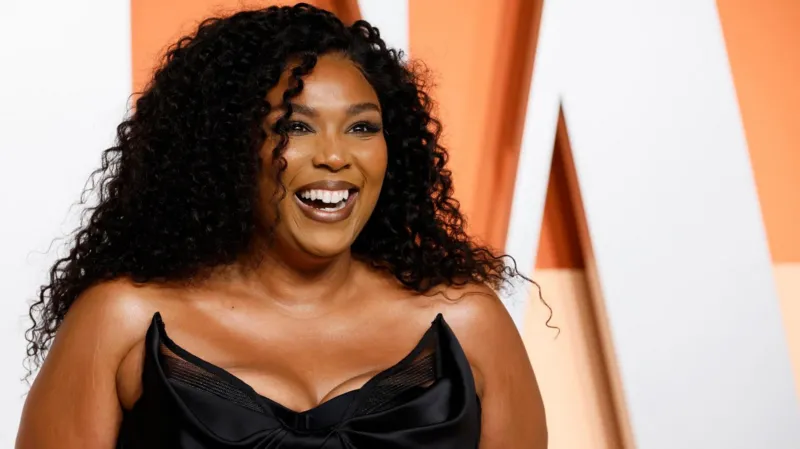
Pop star Lizzo has publicly welcomed a legal decision that dismissed allegations of fat shaming made against her by three former dancers, calling the ruling a moment of relief after months of intense scrutiny. The claims were part of a lawsuit filed in 2023 that accused the singer of creating a hostile work environment, including body related discrimination.
In a video shared with her followers on Instagram and TikTok, Lizzo addressed the ruling directly, saying the court found no evidence that she fired the dancers because of weight gain. She explained that their dismissal was instead linked to what she described as a breach of trust involving a private recording. According to Lizzo, the dancers were terminated after secretly recording her without consent and sharing the footage with former employees.
The ruling marks a partial victory for the Grammy winning artist, whose music and public image have long centered on themes of self acceptance and body positivity. Songs such as Good As Hell and Juice have made her a prominent voice against body shaming, making the original allegations particularly damaging to her reputation.
However, while the fat shaming claims have been dismissed, the lawsuit is far from over. Other serious allegations against Lizzo and her production company remain active, including claims of sexual harassment and inappropriate conduct during work related outings. A Los Angeles judge previously ruled that those parts of the case could proceed, despite objections from Lizzo’s legal team.
The lawsuit was filed by former dancers Arianna Davis, Crystal Williams, and Noelle Rodriguez, who allege they were pressured into attending sexually explicit performances and interacting with nude performers while on tour between 2021 and 2023. They claim these experiences were presented as mandatory and created an uncomfortable and coercive environment.
Court documents describe several incidents, including one in which Lizzo allegedly encouraged Davis to touch the breasts of a nude performer at a nightclub in Amsterdam. Davis initially resisted but later complied, stating she feared that refusing could jeopardize her position on the team. Other claims include being encouraged to eat fruit off the naked bodies of performers at sex clubs.
Lizzo has strongly denied these accusations. Her legal team has described the lawsuit as a fabricated narrative designed to damage her image. Last summer, her lawyers appealed the decision allowing the remaining claims to go to trial, arguing that such outings were part of her creative process and should be protected under free speech laws.
Attorneys representing the dancers rejected that argument, saying artistic inspiration does not excuse alleged misconduct. One lawyer argued that creative intent cannot shield behavior that makes employees feel pressured or unsafe, urging the court to allow a jury to hear the case.
For now, Lizzo has emphasized her gratitude for the dismissal of the fat shaming claims while preparing to continue defending herself against the remaining allegations. The case has sparked broader discussion in the entertainment industry about power dynamics, workplace boundaries, and accountability, particularly when creative expression intersects with professional responsibility.