News
Researchers Say Sudan’s RSF Tried to Hide Mass Killings in el Fasher Through Body Disposal

Sudan’s paramilitary Rapid Support Forces are being accused of attempting to conceal mass killings in the city of el Fasher by burying and burning large numbers of bodies, according to new research by a team at Yale University. The findings add to growing international concern over alleged war crimes committed during Sudan’s ongoing civil war.
A report released by Yale’s Humanitarian Research Lab says analysis of satellite imagery strongly suggests that RSF fighters carried out a coordinated effort to dispose of bodies following their capture of el Fasher in October. Researchers believe the actions were aimed at destroying evidence of killings that took place during and after the takeover of the city, which had already drawn widespread condemnation from human rights groups and foreign governments.
The research team examined satellite images taken over several weeks and identified multiple sites where bodies were likely buried or burned. According to the report, these locations showed repeated disturbances to the ground and signs consistent with large scale body disposal. The researchers estimate that tens of thousands of bodies may have been involved, though they caution that the exact number cannot be independently confirmed.
The report states that the RSF appears to have engaged in a systematic and sustained campaign to erase evidence of mass killings. It adds that patterns observed in the satellite data indicate that the destruction of bodies did not stop after the initial capture of the city and may still be ongoing. Researchers described the findings as deeply alarming and said they point to possible crimes against humanity.
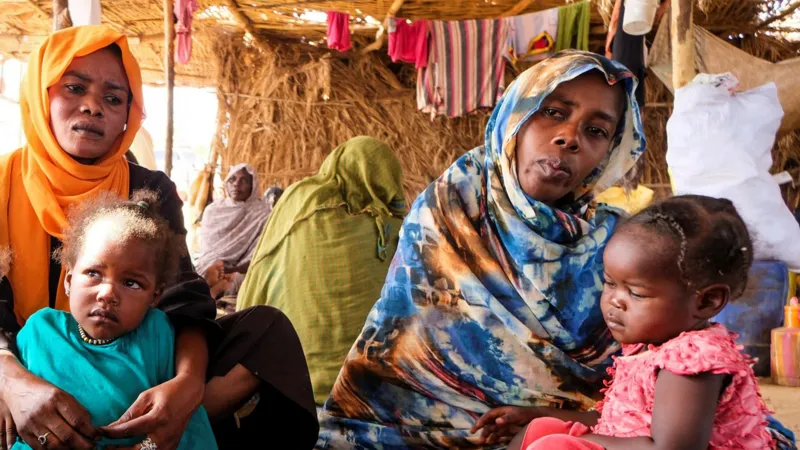
El Fasher, the capital of North Darfur, has been a focal point of violence since RSF forces seized control. Residents and survivors have previously reported executions, ethnic targeting, and widespread abuses carried out by fighters. The city’s fall marked a significant escalation in the conflict, intensifying fears of atrocities similar to those seen during earlier periods of violence in Darfur.
The RSF has not responded publicly to the Yale report. However, the group’s leader has previously acknowledged that some of his fighters committed violations in el Fasher, while denying responsibility for systematic abuses. Sudan’s army has also accused the RSF of carrying out mass killings and ethnic violence, claims the paramilitary group has repeatedly rejected.
The conflict between the RSF and Sudan’s regular army began in April 2023 after a power struggle between the two sides erupted into open warfare. Since then, the fighting has devastated much of the country, displacing millions of people and pushing Sudan toward what international agencies describe as one of the world’s worst humanitarian crises.
Human rights experts say the Yale findings underscore the need for independent investigations and accountability. They warn that efforts to destroy evidence make it harder for victims and families to seek justice and increase the risk of further atrocities. Calls have grown for international mechanisms to document crimes and preserve evidence before it is lost.
Researchers behind the report stressed that satellite analysis cannot replace on the ground investigations, but said it plays a crucial role when access is restricted due to ongoing violence. They urged the international community to treat the findings seriously and to step up pressure on all parties to the conflict to protect civilians.
As Sudan’s war grinds on, the allegations surrounding el Fasher highlight the human cost of the fighting and the challenges of holding perpetrators to account in an increasingly fragmented and violent landscape.