News
UK Orders Independent Probe Into Foreign Political Interference After Bribery Scandal

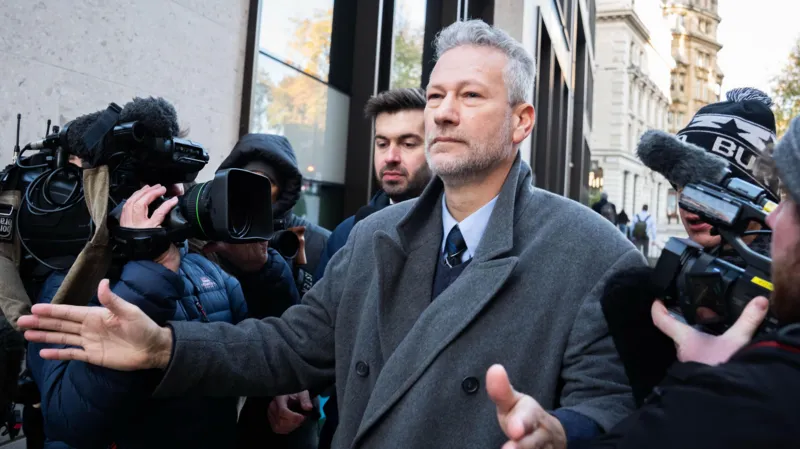
The UK government has launched an independent review into the risk of foreign financial interference in domestic politics following what ministers have described as a deeply troubling corruption case involving a former political leader. The move comes after revelations that Nathan Gill, the former leader of Reform UK in Wales, accepted bribes linked to pro Russian lobbying while serving as a Member of the European Parliament.
Gill was jailed in November after admitting to taking payments in exchange for delivering interviews and speeches that promoted pro Russian narratives. The case has raised serious concerns within government about vulnerabilities in the political system and the potential for overseas actors to exert influence through financial incentives.
Communities Secretary Steve Reed announced the review, saying the government had a responsibility to act decisively in response to the scandal. He described the case as shocking and said it exposed weaknesses that must be addressed to protect the integrity of democratic institutions. Reed emphasized that the aim of the review is not only to understand how the misconduct occurred but also to ensure safeguards are strengthened so similar incidents cannot happen in the future.
The review will focus on how foreign money may be used to influence political figures, parties, and public debate in the UK. It is expected to examine existing rules on transparency, political funding, and oversight, as well as how effectively they are enforced. Officials say the findings will help shape future policy and legislative changes aimed at closing loopholes and improving accountability.
Leading the review will be former senior civil servant Philip Rycroft, who brings extensive experience from his time in government. Rycroft is expected to operate independently and provide an objective assessment of the risks posed by foreign financial interference. His team will consult across government departments, security agencies, and relevant watchdogs as part of the process.
The review is scheduled to report back in March, with ministers pledging to consider its recommendations carefully. While no specific outcomes have been pre announced, the government has signaled that tougher rules or enhanced enforcement measures could follow if systemic weaknesses are identified.
Gill’s conviction has reignited broader debate about foreign influence in British politics at a time of heightened geopolitical tension. Security experts have warned that hostile states increasingly use indirect methods, including financial incentives and influence campaigns, to shape political discourse in democratic countries. The case has also renewed calls for greater scrutiny of politicians’ external engagements and income sources, particularly those linked to overseas entities.
Opposition figures and anti corruption campaigners have broadly welcomed the review, arguing that public trust depends on visible and credible action. They say the government must demonstrate that elected officials and political leaders are held to the highest ethical standards, regardless of party affiliation.
The government has stressed that the review is not targeted at any single political group but is intended to protect the democratic system as a whole. Ministers argue that transparency and resilience are essential as the UK navigates an increasingly complex international environment where political interference can take subtle and sophisticated forms.
As the review gets underway, attention will remain focused on whether it leads to meaningful reforms. For now, the government says the lesson from the Gill case is clear: democratic institutions must be actively defended, and complacency about foreign interference is no longer an option.