News
Jimmy Lai Found Guilty in Landmark Hong Kong National Security Case

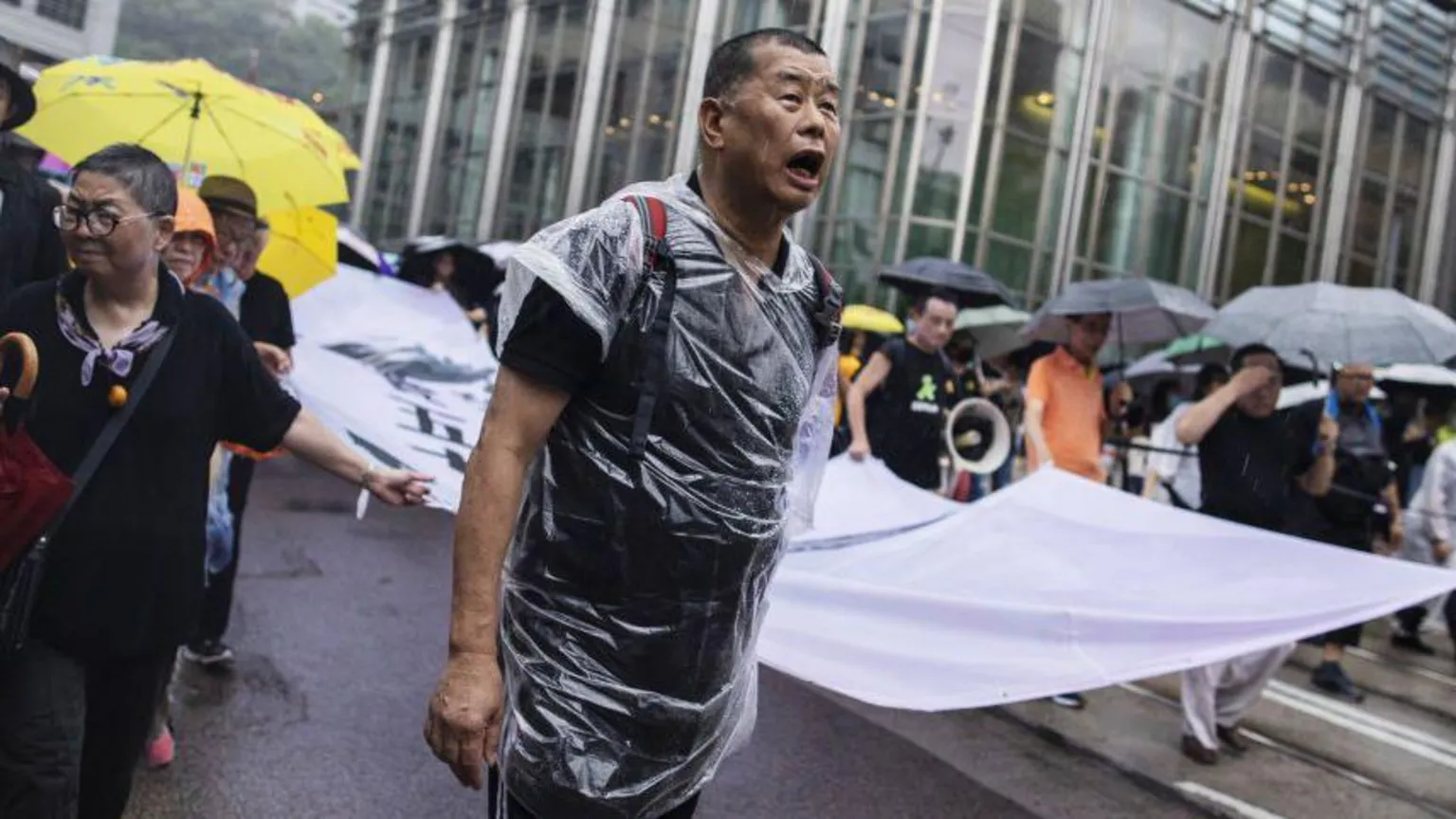
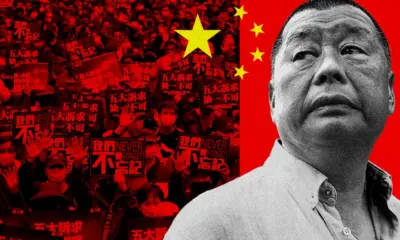
Hong Kong pro democracy figure and media tycoon Jimmy Lai has been convicted of colluding with foreign forces under the city’s national security law, concluding one of the most closely watched trials since the legislation was introduced.
Lai, a 78 year old British citizen and founder of the now closed Apple Daily newspaper, was found guilty on Monday after pleading not guilty to the charges. He has been in custody since December 2020 and now faces the possibility of life imprisonment. The court is expected to deliver his sentence early next year.
The ruling stated that Lai used Apple Daily as part of a broader effort to engage with overseas governments and advocate for sanctions against Hong Kong and mainland China. Judges said this activity amounted to collusion with foreign forces and posed a threat to national security under the law imposed by Beijing in 2020 following months of large scale pro democracy protests.
Delivering the verdict, Judge Esther Toh said the court had no doubt that Lai held strong hostility toward the People’s Republic of China. She cited evidence that he repeatedly called on the United States to take action against China, which the court said went beyond journalism or political opinion and crossed into active lobbying aimed at undermining the government.
During his testimony in November, Lai rejected the accusations and maintained that he had never used his international contacts to influence foreign policy regarding Hong Kong. He argued that his actions were motivated by concern for the city’s freedoms and future, not by an attempt to harm China’s interests.
Hong Kong’s chief executive John Lee welcomed the verdict, saying it demonstrated that the rule of law was being upheld. He said Lai’s actions had damaged national interests and negatively affected the welfare of Hong Kong residents, adding that no individual is above the law regardless of their status or influence.
Human rights groups and international observers reacted sharply to the decision. Several organizations described the trial as deeply unfair and politically driven, arguing that the national security law has been used to silence dissent and dismantle press freedom. They say the case highlights the shrinking space for opposition voices in Hong Kong since the law came into force.
Beijing and Hong Kong authorities have consistently defended the national security law, saying it restored order after years of unrest and is necessary to safeguard stability. Officials argue that the law targets only a small number of individuals who seriously endanger national security, while protecting the rights of the broader population.
Lai’s conviction marks another significant moment in Hong Kong’s political transformation. Once a city known for its outspoken media and vibrant civil society, Hong Kong has seen dozens of activists, journalists, and former lawmakers prosecuted or imprisoned in recent years.
For supporters of Lai, the verdict represents the end of an era symbolized by Apple Daily, which was one of the city’s most influential pro democracy newspapers before it shut down following police raids and arrests. For authorities, the ruling is seen as affirmation of the national security framework.
As the sentencing phase approaches, the case is likely to continue drawing international attention, further straining relations between China and Western governments that have repeatedly called for Lai’s release.