News
Israel to Review Reports After Three-Year-Old Girl Killed in Southern Gaza

Israeli authorities have said they will examine reports that soldiers shot and killed a three year old girl in southern Gaza on Sunday, after local sources identified the child as Ahed Tareq al Bayouk. According to residents in Mawasi, a designated humanitarian zone west of Rafah, the girl had been playing near her family’s tent when she was struck by gunfire.
The Israel Defense Forces said in a brief statement that it was not aware of any strike in the area at the time but would conduct an additional review once more details were available. The incident has added to growing concerns about civilian safety in Gaza even after a ceasefire was implemented in October. Amnesty International says at least three hundred seventy Palestinians have been killed during this post ceasefire period, including one hundred forty children.
Local accounts suggest the shooting occurred on the Palestinian side of the Yellow Line, a buffer area behind which Israeli forces agreed to withdraw under the first phase of a US mediated plan aimed at reducing clashes. The initial stage of the agreement required Israel to pull back troops from certain populated zones and for Hamas to return all remaining hostages taken during the October 7 attack. Under the terms, twenty living hostages and twenty eight bodies were to be repatriated. All have been returned except for the remains of Ran Gvili, a twenty four year old Israeli police officer who was killed defending his community during the assault.
While the ceasefire has reduced large scale fighting, the humanitarian situation in Gaza remains dire. The Hamas run health ministry says more than seventy thousand Palestinians have been killed since the start of the conflict, though the figures cannot be independently verified. International medical groups warn that the death toll may increase due to limited access to hospitals, widespread displacement and shortages of basic supplies.
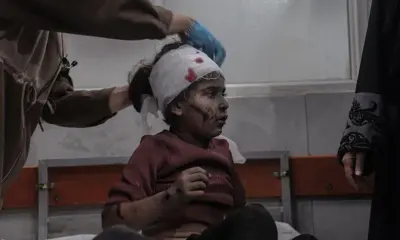
The World Health Organization estimates that at least sixteen thousand five hundred Palestinians who are seriously ill or wounded require urgent evacuation for lifesaving medical treatment outside Gaza. Doctors say these patients include children with shrapnel injuries, people suffering from severe burns and individuals with untreated chronic conditions that have worsened during the conflict.
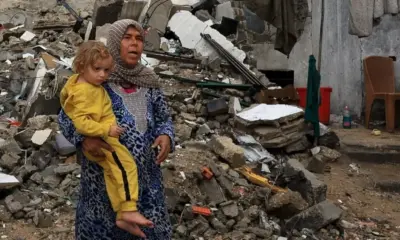
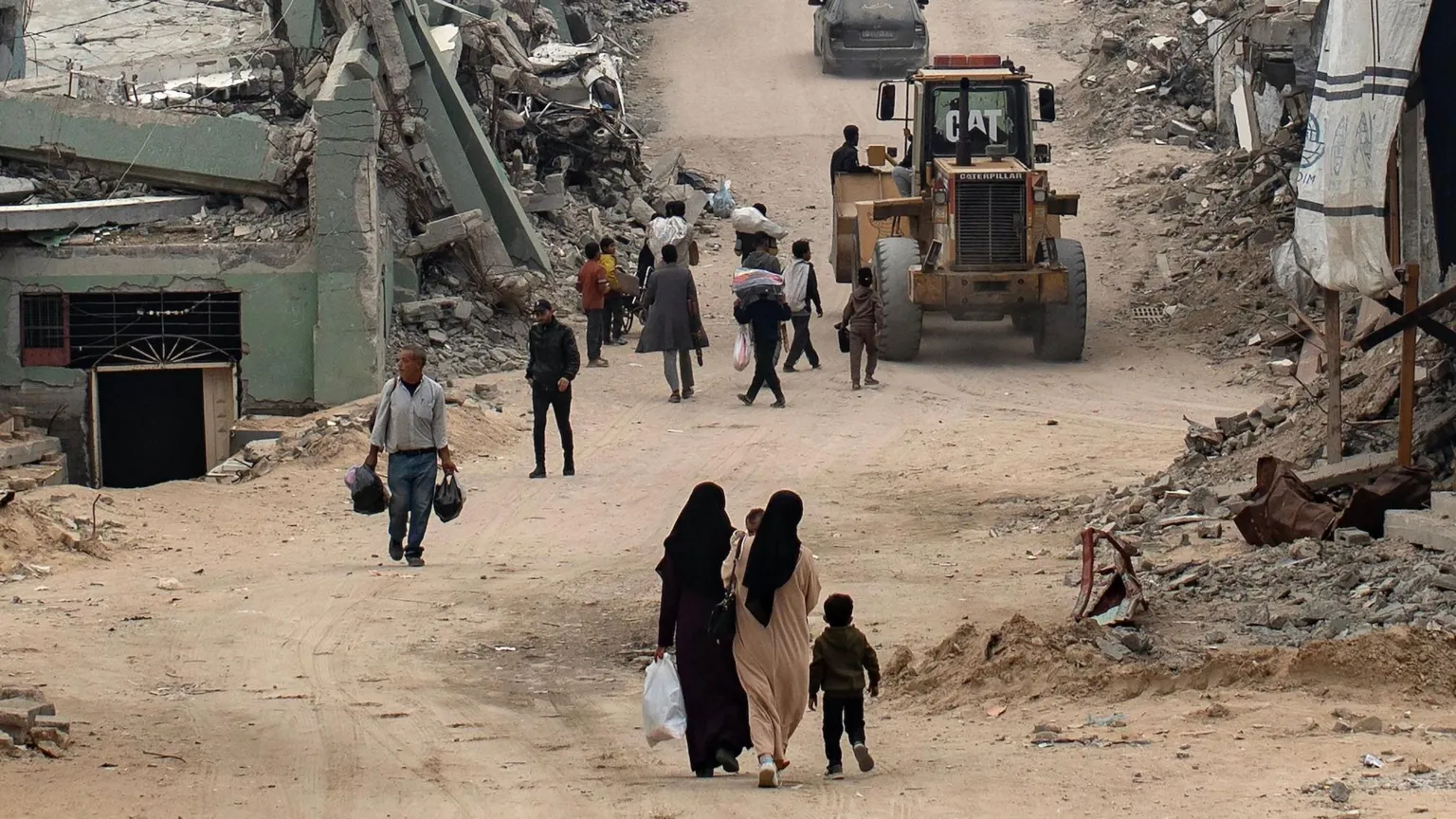
Ahed al Bayouk’s death has drawn renewed attention to the risks facing civilians in areas believed to be relatively safe. Mawasi has been repeatedly identified as a shelter zone, with thousands of displaced families living in tents across sandy stretches of land with minimal infrastructure. Residents say sporadic shootings and drone activity continue to create fear and uncertainty despite the partial withdrawal of Israeli forces.
Human rights organisations have urged Israel to conduct a transparent investigation into the girl’s death and to take stronger measures to prevent harm to civilians. International diplomats have also pressed both sides to adhere strictly to the ceasefire terms, warning that continued casualties could jeopardise ongoing efforts to advance the US brokered peace framework.
For families in Gaza, however, the death of a child during a declared lull in hostilities underscores the fragile nature of the current arrangement and the immense challenges facing any humanitarian recovery.