Uncategorized
DJ Tim Westwood Pleads Not Guilty to Rape and Assault Charges

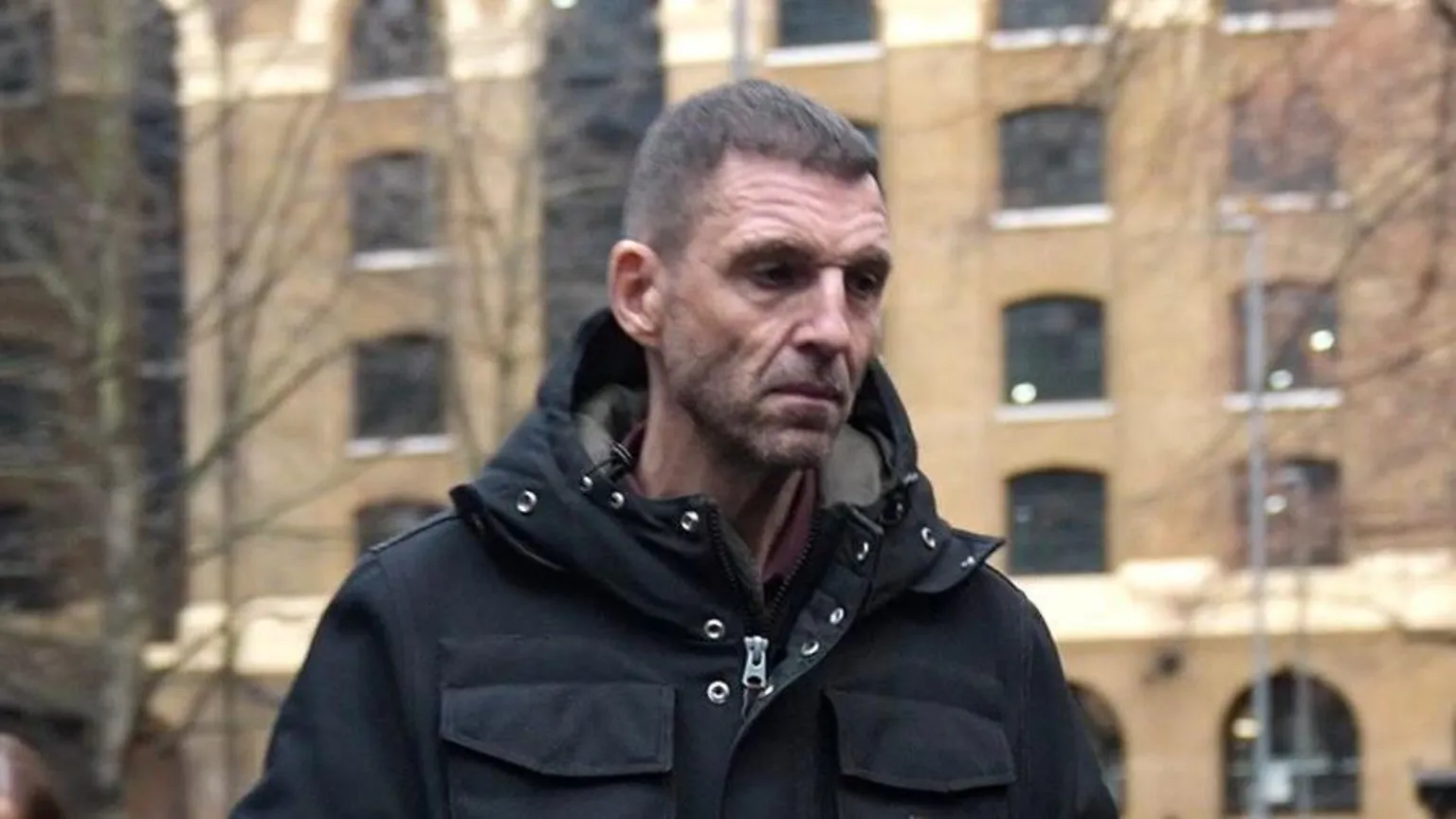
Veteran DJ Tim Westwood has pleaded not guilty to a series of serious sexual offences, marking the beginning of what is expected to be a lengthy and closely watched legal process. The 68 year old appeared at Southwark Crown Court on Monday, where he denied all charges brought against him. These charges include four counts of rape, nine counts of indecent assault and two counts of sexual assault. The allegations span more than three decades, from 1983 to 2016, and involve seven women, some of whom were teenagers at the time of the alleged incidents.
Allegations Place Spotlight on Media Industry Culture
According to prosecutors, three of the alleged indecent assaults were said to have occurred in BBC studios in 1996, during Westwood’s tenure as a prominent presenter on Radio 1. Between 1994 and 2013, Westwood built a reputation as one of the UK’s most influential hip hop DJs, hosting various flagship programmes and interviewing major international artists. The claims have revived broader conversations about institutional accountability, workplace culture and safeguarding practices within media organisations.
Several of the allegations involve women who were 17 at the time, raising additional concerns about the vulnerability of young people working or aspiring to work in the entertainment industry. Advocacy organisations have reiterated the importance of robust reporting structures and stronger protective measures, especially in environments where young talent often interacts with powerful industry figures.
Proceedings Set for a Long Legal Journey
During Monday’s court appearance, Westwood spoke only to confirm his personal details and enter his pleas. The judge granted him bail ahead of his trial, which has been scheduled for January 2027. The extended timeline reflects the complexity of the case, the volume of evidence and the logistical demands involved in preparing for a multi count trial spanning more than thirty years of allegations.
Legal experts note that historic sexual offence cases often require extensive witness testimony and careful examination of archival material, employment records and communication history. The court will also consider contextual factors from the period in which each allegation occurred, particularly those dating back to the 1980s and 1990s.
Industry and Public Reactions Continue to Build
Public interest in the case remains significant, particularly following previous journalistic investigations that brought forward testimony from multiple women. Those reports prompted the BBC and other organisations to review their internal conduct processes and sparked broader debate about the intersection of celebrity culture, power dynamics and exploitation.
Westwood has consistently denied wrongdoing since the allegations first emerged. His legal team has indicated that he plans to contest each charge fully and will present evidence challenging the claims. Meanwhile, victim support organisations have emphasised the need to allow space for the judicial process to unfold without public pressure jeopardising fairness for either side.
A Case That Will Shape Future Discussions
As the trial approaches, the case is expected to become a major reference point in discussions about safeguarding in the British entertainment sector. With decades worth of allegations and multiple institutions implicated in different periods of Westwood’s career, the outcome may influence future regulatory and organisational policies regarding misconduct reporting and protections for young women in media spaces. For now, the legal process continues, and all parties await the January 2027 trial where evidence will be presented in full before the court.