News
UK to extend sugar tax to milkshakes and lattes in new push against childhood obesity

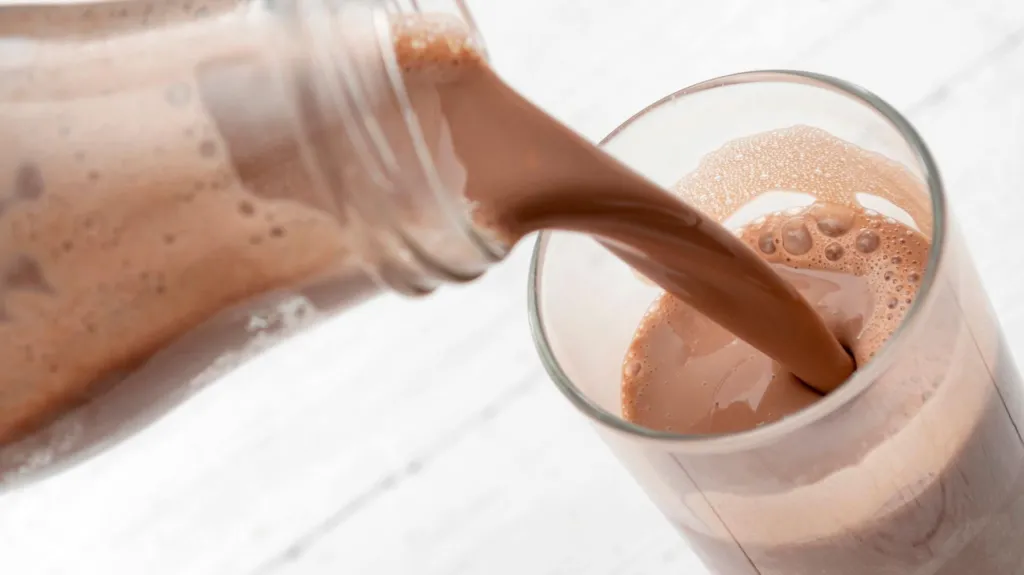
Pre packaged milkshakes and ready to drink coffees high in sugar will soon face an additional tax in the United Kingdom, after Health Secretary Wes Streeting announced plans to expand the existing levy on sugary drinks. The extension, which will take effect from 2028, is part of a broader effort to reduce sugar consumption and address rising childhood obesity rates.
Streeting told Parliament that the threshold at which the sugar tax applies will be lowered from 5 grams to 4.5 grams of sugar per 100 millilitres. This means that popular products such as Yazoo, Muller’s Frijj, Starbucks Caffe Latte and several high protein branded drinks including Ufit and Shaken Udder may fall under the expanded levy if they do not reduce their sugar levels. Many of these drinks were originally exempt from the 2018 policy because they are milk based.
The current tax applies to packaged drinks such as cans and cartons, but not to beverages made fresh at cafes or coffee shops. The revised policy will continue to exclude drinks prepared on site. Milk based drinks will be measured using a “lactose allowance” to ensure that naturally occurring sugars in dairy products do not contribute to the taxable sugar amount. Fruit juices, non alcoholic beer and wine, and meal replacement drinks will remain exempt.
Drinks made with plant based milk alternatives such as soy, oat and almond will also be included in the sugar tax from 2028 and treated similarly to dairy based beverages. The lower threshold will additionally draw more soft drink brands into the levy, including Pepsi, Lucozade, Irn Bru, Fanta and San Pellegrino Limonata, all of which currently fall below the 5 gram threshold but above the new limit.
The expanded tax has faced criticism from some politicians who argue that it represents excessive government intervention in consumer choice. However, Streeting defended the measure as essential for public health, saying childhood obesity disproportionately affects disadvantaged communities and leads to long term health complications that place pressure on the National Health Service.
Industry representatives expressed disappointment at the policy shift. Judith Bryans, chief executive of Dairy UK, said milk and yoghurt drinks provide valuable nutrients including calcium, iodine and B vitamins. She acknowledged, however, that the inclusion of a lactose allowance helps ensure companies are not taxed for sugars that occur naturally in dairy products and are not considered a public health concern.
The government argues that the extension of the levy is likely to encourage manufacturers to reformulate products by lowering sugar content or reducing portion sizes. When the original tax was introduced in 2018, many fizzy drink makers adjusted their recipes to avoid higher charges. The government says those changes contributed to a forty six per cent reduction in the sugar content of soft drinks sold in the UK, supporting healthier dietary habits among both children and adults.
Any shifts in product formulation or pricing prompted by the tax are expected to influence consumer behaviour as part of the broader effort to reduce sugar intake nationwide.