Business
A Relationship Coach Explains Why People Cheat And How Some In The Industry Earn Seven Figures

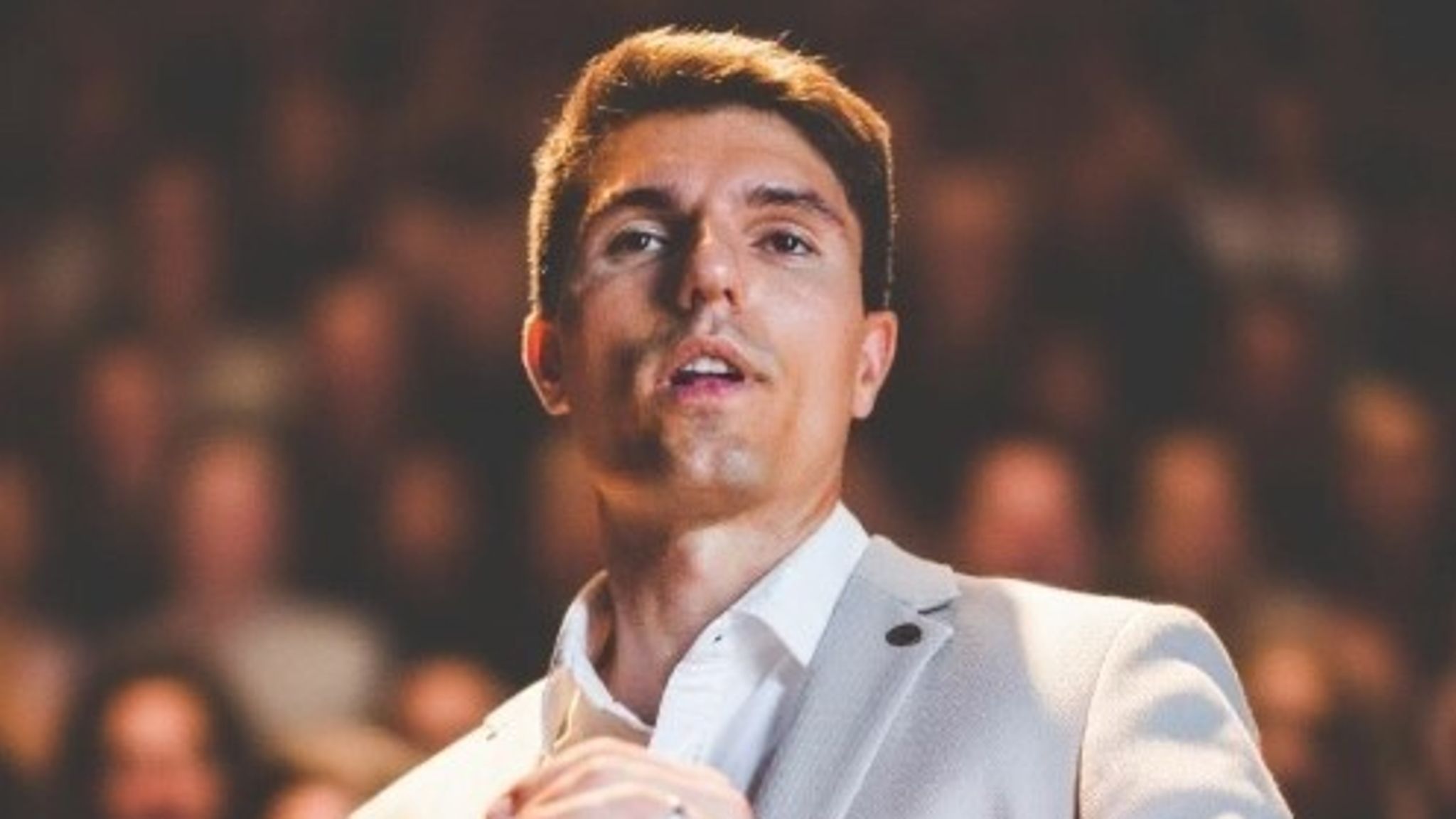
Every week the Money blog speaks with professionals from very different fields to uncover what their work is really like behind the scenes. This week the conversation turns to relationships, emotional patterns, and the business of guiding people through matters of the heart. Relationship coach Lorin Krenn opens up about why people cheat, what draws him to this work, and how coaching can range from modest earnings to seven figure incomes depending on reputation and expertise.
For anyone who has ever sat on a morning commute imagining a completely new career path, Lorin’s story offers an honest look at how someone can build a life around emotional depth, self understanding, and helping others transform their personal lives.
Why People Cheat And What Relationship Coaching Reveals
According to Lorin, the reasons people cheat are rarely as simple as boredom or temptation. Through his work with couples and individuals, he has found that cheating often reflects emotional avoidance, communication gaps, or unresolved patterns that people carry from earlier stages of their lives. Many clients discover that their actions stem from unmet needs, a lack of emotional safety, or a deep disconnect from their own desires.
He explains that relationship coaching is not only about analysing behaviour but about helping clients build self awareness. People who cheat are often trying to escape something within themselves long before they try to escape their relationship. This is why coaching can be powerful: it creates space for honest conversations that many people struggle to have in their daily lives.
Lorin emphasises that cheating does not always mean a relationship is doomed. In some cases, confronting the truth becomes the beginning of genuine repair, deeper connection, and growth. For others, it becomes a turning point that helps them move toward healthier relationships in the future.
The Wide Range Of Salaries In Relationship Coaching
The financial side of relationship coaching is far less predictable than many traditional careers. Lorin explains that beginners often earn very little in their early years. New coaches spend a great deal of time learning how to work with clients, building confidence, understanding emotional frameworks, and figuring out how to market their services. Income at this stage can be inconsistent and modest.
As a coach becomes more skilled and begins delivering reliable results, earnings typically rise. Lorin says that coaches who build a stable client base and develop strong methods can realistically earn between forty thousand and sixty thousand pounds per year. Coaches who specialise and become known for depth, precision, and structured programmes often reach the seventy thousand to one hundred thousand range.
At the highest level, when a coach becomes recognised as an authority with a global audience, opportunities open up for advanced programmes, international retreats, and high intensity coaching containers. In these areas, earnings can grow into multiple six figures and even reach seven figures. Lorin notes that in high end private coaching, clients are not paying for hours of conversation but for the speed and clarity of transformation. The focus is on mastery, insight, and the ability to guide someone through major emotional breakthroughs.
Coaching Schedules Are Flexible But Can Be Demanding
One of the attractions of relationship coaching is the freedom to work from anywhere. Many coaches choose their own hours, travel while they work, and meet clients online or in person depending on availability. Lorin says it is realistic for coaches to work fewer than forty hours a week once they are established, especially if they run structured programmes.
His own schedule, however, is much fuller. Lorin works between forty and sixty hours weekly because his work extends beyond coaching sessions. He writes books, leads global programmes, manages an international audience, and continuously develops new material for clients. For him, coaching is not simply a job but a calling.
When Work Feels Like Passion Instead Of Obligation
Lorin explains that he does not take many breaks because his work brings him a strong sense of purpose. Helping people grow, understand themselves, and create healthier relationships is something he finds deeply fulfilling. When he does take time off, he chooses meaningful rest with his wife or close friends, focusing on quality rather than quantity. This intentional downtime helps him recharge emotionally and physically.
A Career Built On Purpose And Deep Connection
Relationship coaching may not be a conventional career path, but Lorin’s experience shows that it is a profession grounded in emotional intelligence, personal growth, and the desire to help people understand themselves more fully. It is a field with significant challenges, wide income variation, and an immense capacity for impact. For anyone exploring a new direction, Lorin’s story reveals both the humanity and the ambition behind a career built on guiding others through their most vulnerable moments.