Business
Machu Picchu Faces Rising Tensions Over Tourist Bus Access

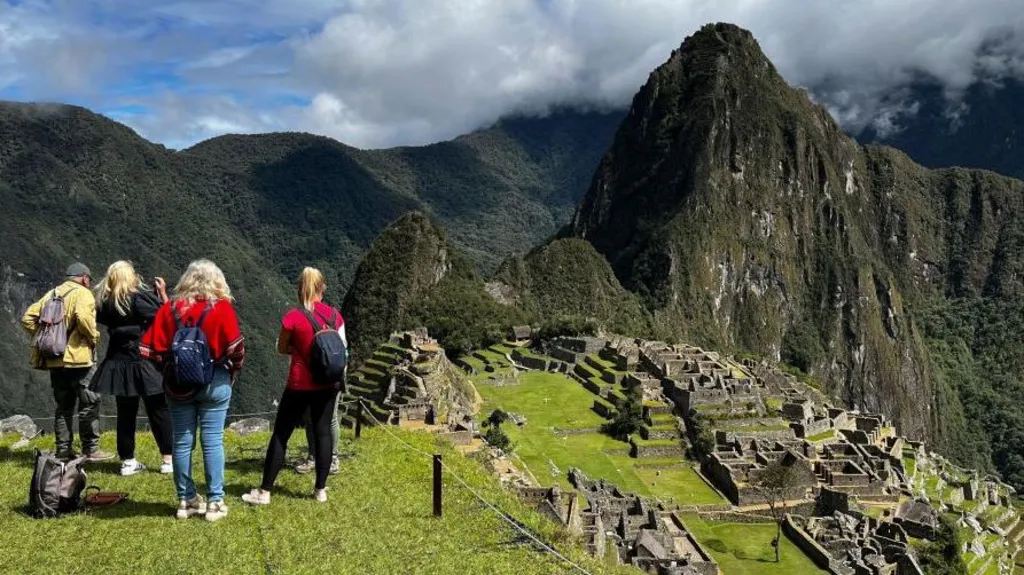
Machu Picchu, one of the world’s most iconic archaeological sites, is once again in the spotlight, not for its breathtaking scenery but for the growing dispute surrounding the buses that take visitors to the mountaintop. The fifteenth-century Inca city remains Peru’s most visited destination and a UNESCO World Heritage site, yet the ongoing conflict over transportation has disrupted travel and led to more than one thousand stranded tourists needing evacuation in recent months. The situation has added strain on local communities whose livelihoods depend on tourism, and it has raised deeper questions about access, fairness, and shared economic benefit.
A Gateway Controlled By A Single Route
For many tourists, reaching Machu Picchu involves a long journey. Travellers typically board a train from Cusco or the Sacred Valley and ride for several hours before reaching Aguas Calientes, the town at the base of the site. From there, the final ascent depends almost entirely on buses. The ride is short, only about twenty minutes, but it is the essential link between the town and the ancient citadel. The only alternative is a steep two hour uphill walk that is challenging even for the physically fit.
Cristian Alberto Caballero Chacón, operations head for the bus company Consettur, explains that his company has transported thousands of visitors daily for three decades. On a normal day, around four thousand five hundred tourists make the ascent in these buses, highlighting how dependent Machu Picchu’s tourism model has become on this single transport service.
A Conflict That Has Been Growing For Months
In recent months, tensions between local communities have escalated. Caballero acknowledges that disputes have arisen among different groups living near the site. The conflict centres on Consettur’s longstanding control of the bus route and a recent decision to replace the company with a new operator, San Antonio de Torontoy. Critics argue that the bidding process for the new license lacked transparency, prompting protests that eventually blocked train lines and disrupted travel.
Back in September, local protestors placed rocks on the railway tracks leading to Aguas Calientes, effectively cutting off access. The disruption led authorities to intervene, clear the tracks, and evacuate stranded visitors using special train services. Many of the protestors claimed that Consettur’s control over the route had become an unfair monopoly and that shifting the license to another single provider would not resolve the underlying issue of equitable income distribution among local communities.
A Contested Monopoly And Strong Local Ties
While some argue that Consettur has held too much power over the route for too long, Caballero disputes the idea that his company operates as a monopoly. He explains that Consettur is not a single private entity but a consortium of twelve different companies with a range of local partners. Among these partners is the district council, which holds thirty eight percent ownership. For Caballero, this arrangement represents community involvement rather than monopolistic control.
However, many locals who prefer to remain unnamed believe the structure still limits opportunities for other groups in the region. The cost of the bus tickets also fuels debate. A round trip ticket costs twenty four dollars for foreign tourists and fifteen dollars for Peruvian visitors, making the service a significant revenue source. Communities in the wider Urubamba Province, where the rival company San Antonio de Torontoy is based, argue that they deserve a share of this tourism income as well.
Legal Challenges Create A Prolonged Standoff
Although Consettur’s official license expired in September, the company continues to operate due to ongoing legal disputes. Meanwhile, San Antonio de Torontoy has not begun operations because the legal challenges surrounding the transition remain unresolved. This uncertainty affects not only the companies involved but also the thousands of workers, guides, and families who rely on uninterrupted tourism flow.
With both sides claiming legitimacy, the dispute has turned into a complex struggle over local identity, community rights, and economic opportunity. Each group seeks recognition and a place in managing one of Peru’s most important sources of tourism income.
A Community Seeking Balance
The situation at Machu Picchu highlights how essential infrastructure can become a point of tension when different communities feel excluded from decision making. As authorities work toward a resolution, many locals hope for a model that allows more equitable participation without compromising safety, service quality, or the visitor experience.
For now, Machu Picchu continues to welcome tourists, but the dispute remains a reminder that managing world heritage sites requires not only preservation of history but sensitive handling of the modern communities that depend on them.