
News
Reggae Icon Jimmy Cliff Dies at 81

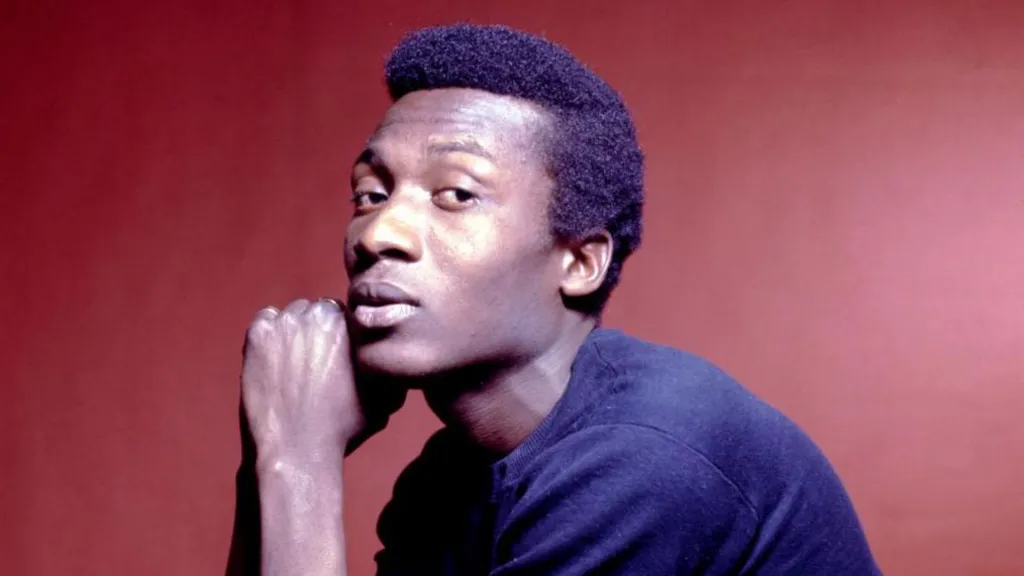
Jimmy Cliff, one of reggae’s most influential and cherished artists, has died at the age of eighty one. His music and screen presence helped introduce the sound and spirit of Jamaica to audiences around the world, shaping the global identity of reggae across generations.
Cliff became a star in the 1960s and remained a defining figure of the genre for decades. His uplifting hits, including Wonderful World, Beautiful People and You Can Get It If You Really Want, became anthems of optimism and resilience. His performance in the 1972 film The Harder They Come, where he played an outlaw musician, was widely credited with bringing reggae to American audiences and marked a milestone in Jamaican cinema.
News of his death was announced by his wife, Latifa Chambers, in a statement posted on Instagram. She said Cliff had died after suffering a seizure followed by pneumonia. In her message, she expressed gratitude to his family, friends, collaborators and fans who supported him throughout his long career. She wrote lovingly to her husband, wishing him peace, and her message was also signed by their children, Lilty and Aken.
Born James Chambers in 1944, Cliff was raised in deep poverty as the eighth of nine siblings in St James parish, Jamaica. From a young age, his natural voice stood out. He began singing in church at six and later found inspiration in ska pioneer Derrick Morgan, whose music sparked Cliff’s desire to write songs of his own. With encouragement from a schoolteacher, he wrote early pieces like I Need A Fiancée and Sob Sob and even made a handmade bamboo guitar so he could accompany himself.
At fourteen, he moved to Kingston, adopting the stage name Cliff to reflect his ambition. After releasing several singles, he topped the Jamaican charts with Hurricane Hattie, which brought him national recognition. In 1965, he moved to London to work with Island Records. Although the label initially struggled to connect his sound with rock audiences, Cliff eventually achieved global success with the 1969 hit Wonderful World, Beautiful People. That same year he released Vietnam, a powerful anti war ballad that Bob Dylan once called the best protest song ever written.
Cliff often described his music as a mixture of struggle and hope, capturing hardship but always pointing toward love and resilience. His voice, songwriting and artistic presence made him one of reggae’s most distinctive figures, and he remained active across music, film and performance well into later life.
Tributes from around the world are now honouring a man who helped define Jamaican culture on the global stage. His songs, his acting and his influence on generations of artists ensure that his legacy will endure.



