Sports
Tyson Fury vs Anthony Joshua edges closer after clearance
Tyson Fury vs Anthony Joshua inches closer after reports of Fury’s clearance, as both camps discuss possible December timing, broadcast terms, and heavyweight title implications.

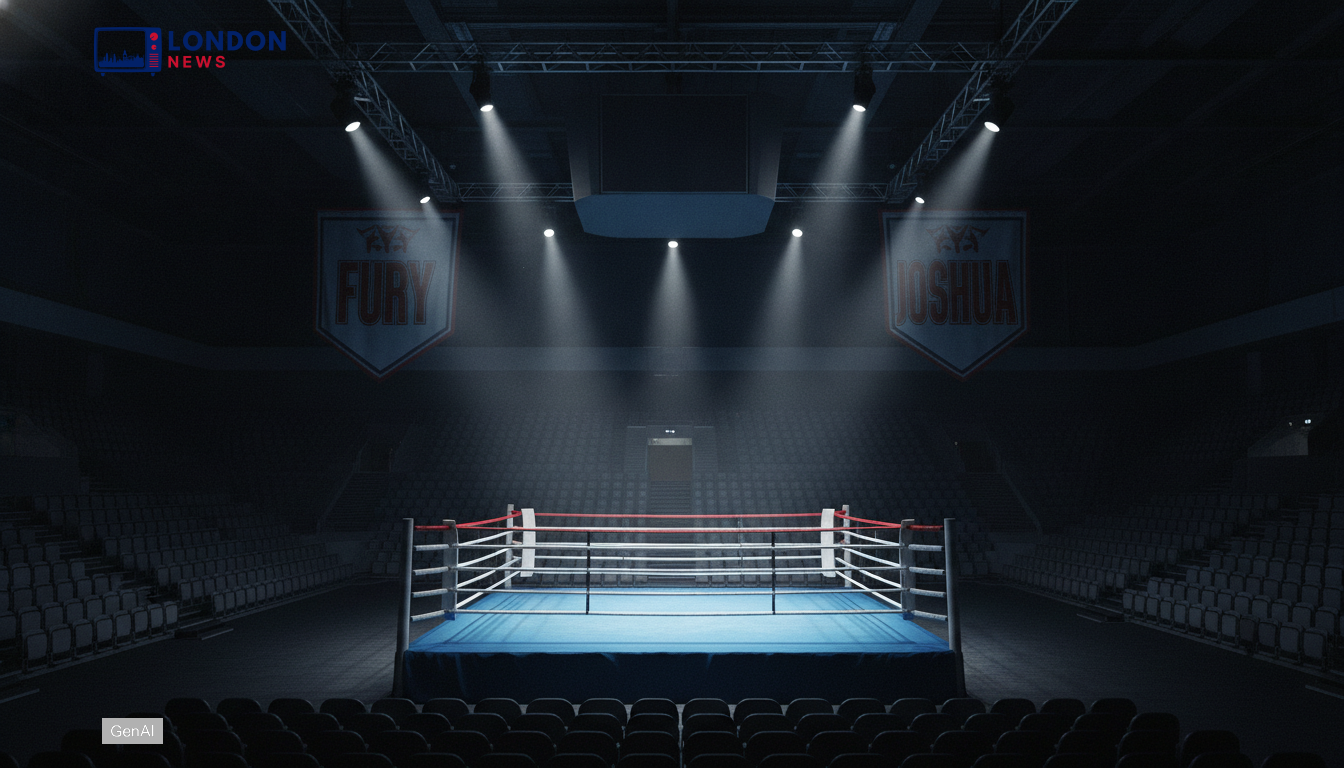
Tyson Fury vs Anthony Joshua: clearance and negotiations
According to available reports, Fury was medically cleared to box, removing what had been described as a key obstacle. The situation is back in focus as both camps explore possible timing later in the year. The clearance follows weeks of scrutiny and conflicting public statements, shifting attention away from contracts and toward licensing readiness, according to Reuters reporting referenced by multiple outlets. With the regulatory position not formally detailed in a public bout sheet, discussions are now framed as preparatory rather than final. Promoters are cautiously returning to venue, broadcast, and sponsorship talks typically underpinning any stadium-scale heavyweight event. Reuters has linked the renewed momentum to the wider British boxing calendar, where timing and reputational stability can influence negotiations. Promoters now face the task of potentially converting optimism into signed bout agreements for Tyson Fury vs Anthony Joshua, though obstacles may yet arise.
Why the Fury–Joshua matchup is the biggest UK fight
The rivalry is intriguing because it is about legacy, market timing, and a rare all-British heavyweight blockbuster with global reach. In recent weeks, the conversation has shifted from online sparring to practical questions about venue availability, broadcaster slots, and the length of any promotional tour, as commentators and industry coverage have suggested. Organisers also look at large-event planning models when mapping transport, security, and crowd flow, a theme echoed in Lisbon Metro boosts capacity for Web Summit 2026 rush. The commercial centre remains the potential Tyson Fury vs Anthony Joshua bout, but undercard planning and contingency opponents are still discussed publicly in case negotiations stall. Ultimately, both sides acknowledge the window for a peak event is finite.
December timeline: what needs to be agreed
A December target has been floated in boxing chatter and media coverage, but it would require swift agreement on the venue, ring size, glove selection, and rematch clauses, alongside medical paperwork and licensing checkpoints. No final bout sheet has been published by the British Boxing Board of Control, so the process should be treated as ongoing rather than complete. Event pacing often mirrors other sports coverage, where negotiations dominate headlines until signatures land, as seen in Sources: Man United lock in midfielder Fernandes until 2028. The Fury–Joshua talks also raise broadcast questions, including what shoulder programming will run during camp and how press obligations are managed without overexposing either boxer. Fans should expect staged announcements only once contracts are fully executed.
Heavyweight division impact and UK business stakes
The heavyweight scene is crowded with sanctioning bodies, interim belts, and mandatory challengers, so any blockbuster can reshape rankings, obligations, and earning power across the division, depending on how sanctioning organisations respond. UK broadcasters will also weigh subscription pull against consumer pressures, which can affect what audiences are willing to pay for live boxing, a backdrop touched on in Poundland collapse deepens as 11,000 jobs at risk. Promoters have argued the Tyson Fury vs Anthony Joshua event could help restore a clearer commercial hierarchy, but sanctioning timelines and contender commitments may complicate an undisputed storyline. A stadium event can drive major gate and hospitality revenue, but only if confidence stays high through fight week. One decisive result could redirect title paths for several contenders.
Training, licensing, and the road to fight night
Preparation is being treated as risk management: controlled sparring selection, medical oversight, and fewer informal interviews to prevent new controversy, based on how camps typically operate ahead of major events. Reuters has suggested there is urgency around medical clearance because sponsors and broadcasters want certainty well before a promotional tour begins. Timelines are often planned roughly 8 to 12 weeks out from fight night, depending on the event. The prospective Tyson Fury vs Anthony Joshua contest functions as both a sporting objective and an image reset, so teams will likely track measurable milestones such as camp start dates, sparring rounds, and scheduled media days. Licensing officials can still request additional documentation if circumstances change, which is why the emphasis remains on compliance and process. If terms are finalised, the narrative should move from controversy to preparation.