Business
Poundland collapse deepens as 11,000 jobs at risk
Poundland collapse fears grow as the retailer is reportedly in administration, with around 11,000 jobs potentially affected while advisers assess store closures and buyer interest amid wider UK retail cost pressures.

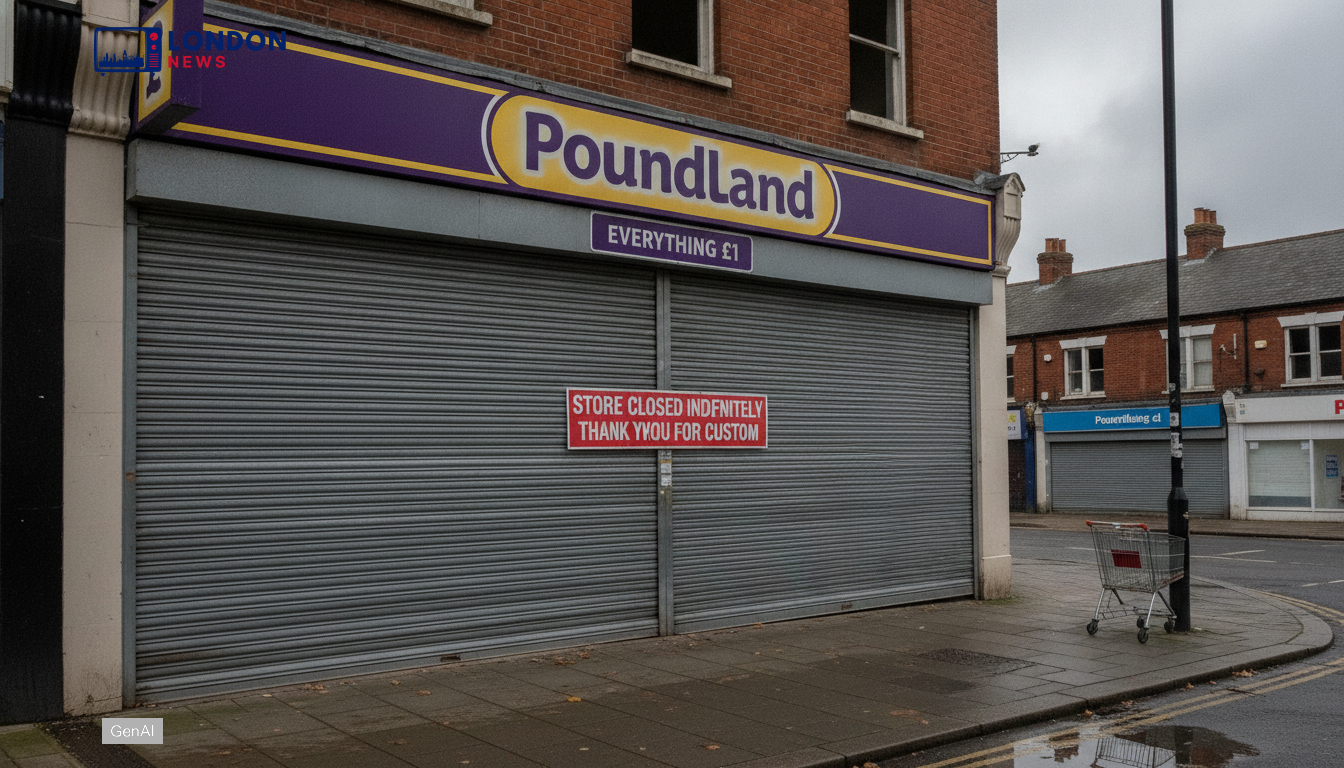
Poundland collapse: what has happened and why it matters
Reports suggest that the discount retailer has entered administration, with around 11,000 jobs potentially affected, as indicated by available reports in media coverage. Administrators are reportedly stepping in to run the business while they review options that can include a sale, a restructuring, or closures of weaker sites. Staff were reportedly briefed via internal communications, and store leaders have been told to continue trading while the assessment is carried out. The development has increased scrutiny of how a high volume, low margin model copes when costs rise and footfall weakens. No full timetable has been published publicly for final decisions, but trading is expected to continue under administrator oversight while a review is ongoing.
Administration process and immediate steps for stores
Once a company enters administration, the priority typically shifts to protecting value for creditors while keeping the business operating where possible. In retail, stores often remain open initially so stock can be sold and cash flow maintained, even as lease costs and supplier terms are reviewed. Cross sector disruption has also affected major events and logistics planning, as shown in Web Summit storm impact as Charles halts day two, while for communities and landlords, the key signals will be whether administrators pursue a buyer for the chain or opt for a more targeted rescue focused on profitable locations. For Poundland stores, outcomes are likely to hinge on site level performance and whether property liabilities can be renegotiated, as insolvency practitioners commonly set out in administration proposals.
Impact on employees: jobs, pay, and consultation rules
For employees, the biggest concern is whether wages, contracted hours, and rotas remain stable while administrators review the estate. In many administrations, day to day trading continues, but headcount can be reduced if stores are selected for closure or if a buyer seeks efficiencies. Wider business sentiment can swing quickly when governance and cash flow narratives change, as seen in Nvidia stock surge as Huang returns, market value jumps, and if redundancies are proposed, consultation requirements still apply, with workers expecting clearer communication as plans progress from review to implementation. The often reported estimate of roughly 11,000 roles at risk has heightened political and union attention, particularly in towns where the chain is an anchor tenant. The near term outcome is likely to depend on whether a credible buyer emerges and what that buyer is willing to keep open.
Causes behind the crisis: costs, demand, and store economics
The pressure on the business appears to reflect softer demand and structural cost increases rather than a single external shock, based on typical retail stress factors cited by industry analysts. Rent obligations, energy bills, logistics costs, and staffing expenses can overwhelm low margin retail when footfall slips, especially across large estates where weaker sites drag on overall performance. Discount chains can also be hit when shoppers trade down but still reduce basket size, lowering revenue even if transaction volumes look steady. The sector backdrop remains volatile, and corporate stress stories can alter confidence quickly, as shown by the Amazon’s CEO, CFO and AWS Chief All Just Sold Amazon Stock – Yahoo Finance, and analysts typically focus on lease exposure, inventory discipline, and supplier payment terms, because these factors often determine whether a rescue is realistic. For the Poundland collapse narrative, the key question is whether viable sites can be separated from loss making locations quickly enough to attract funding.
What happens next: store closures, buyer search, and support
The best outcome for staff and suppliers is a going concern sale that preserves a large share of the estate, but rescues commonly involve lease renegotiations and tighter staffing models, according to insolvency specialists. If closures occur, redundancy steps and access to Jobcentre Plus support become central, and local councils often plan for the risk of empty units depressing nearby trade. Shoppers and town centres will be watching for announcements on which branches are protected and which may exit, because retail gaps can be difficult to fill quickly. In this phase, administrators usually set out proposals in creditor documents and update stakeholders as negotiations advance. The immediate focus is typically operational stability while a buyer search is tested against the underlying economics of the store portfolio and the capacity of the market to absorb change.